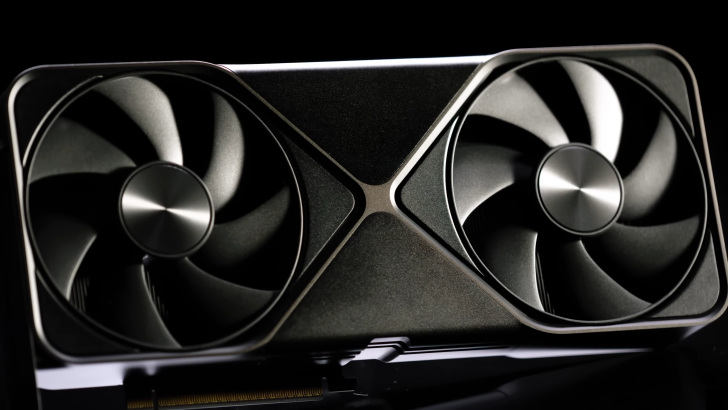
NVIDIA’s latest release, the GeForce RTX 5090 GPUs, is facing turbulence as reports emerge of a significant hardware issue affecting performance. The much-talked-about “Blackwell” GB202 chip has been flagged as defective in some units, leading to missing ROPs (Render Output Units) as verified by tests such as GPU-Z. This technical hiccup isn’t just a minor glitch; it’s causing a noticeable dip in performance for the GPUs impacted.
The dilemma began with the limited availability of NVIDIA’s flagship RTX Blackwell models and now escalates with performance degradation in some units due to this faulty silicon. A telling example was a ZOTAC GeForce RTX 5090, highlighting that the issue stems from the GB202 chip. The defect is so embedded that even the BIOS cannot rectify it.
For those unfamiliar, ROPs are crucial for the graphics pipeline, affecting rendering and the overall graphical output. Affected GPUs are showing fewer than the expected ROP count, which means users aren’t getting the full performance they paid for. This isn’t just speculative; corroborating tests via HWINFO confirm the reduced ROPs, hinting at a more widespread issue.
Currently, only a small batch of these GPUs seems affected. However, there’s concern the problem isn’t isolated to a single model. Rumors suggest the issue might extend across various editions, including NVIDIA’s Founders Edition.
NVIDIA is expected to address this by offering replacements under their RMA policy. With ongoing rumors about production delays in their mid-range GPUs due to performance problems, the last thing the company needs is a broader fallout with their high-end lineup.
For those who own an RTX 5090, it’s advisable to check your GPU’s ROP count. If you discover it is below the standard 176, it might be time to reach out for support. As this scenario unfolds, it remains crucial to stay informed, especially if you’re considering a purchase or currently own the affected series.
Though details are still emerging, enthusiasts and potential buyers should keep a close eye on updates, as the resolution of this issue could impact NVIDIA’s market presence and the availability of both current and future models.