Nvidia’s AI Spending Pullback May Not Make Gaming GPUs Cheaper Anytime Soon
Nvidia’s growing financial involvement in the AI industry has sparked a familiar question among PC gamers: is the AI boom the reason GeForce graphics cards are still expensive and hard to find at reasonable prices?
The answer is more complicated than it may seem. While Nvidia’s support for AI startups and cloud companies has helped fuel massive demand for its data-center GPUs, a retreat from those deals would not instantly solve the problems facing the gaming GPU market. Even if Nvidia reduces its exposure to AI financing, cheaper GeForce graphics cards are unlikely to return quickly in 2027.
Nvidia has reportedly offered guarantees and other financial backing to help AI companies and cloud providers raise money to buy its data-center hardware. This kind of arrangement can create a cycle where Nvidia supports customers that then purchase Nvidia products, effectively helping generate demand for its own chips.
That strategy may have boosted sales of AI accelerators, but it also comes with risk. If customers struggle to meet their financial commitments, Nvidia could face losses tied to those guarantees. The company could also be left dealing with unsold or difficult-to-place hardware if demand weakens.
Reports suggest this issue created internal tension between former CEO Jensen Huang and CFO Colette Kress, who is now serving as interim CEO. Huang was said to favor maintaining strong demand for server-class AI accelerators, while Kress reportedly preferred reducing the company’s financial exposure.
For gamers, the leadership change may sound like a possible turning point. If Nvidia stops pushing so hard into AI deals, could that free up more chips for GeForce graphics cards?
Unfortunately, it is not that simple.
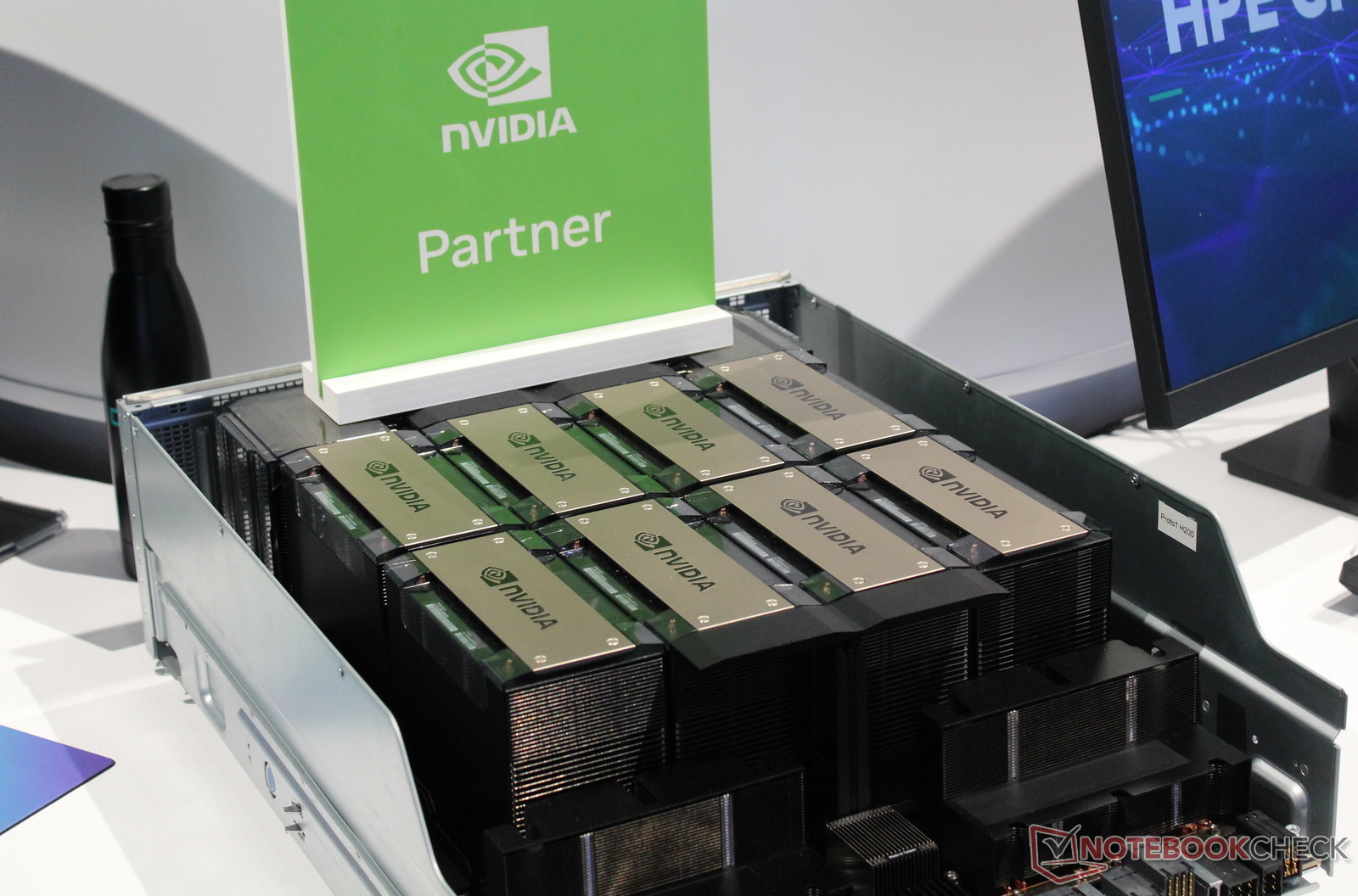
AI accelerators and gaming GPUs may both come from Nvidia, but they are not interchangeable products. High-end data-center accelerators use different hardware designs, different memory, and more advanced packaging than consumer GeForce cards. Nvidia’s AI chips typically rely on high-bandwidth memory, known as HBM, while gaming graphics cards use GDDR memory.
That difference matters. A server accelerator cannot simply be turned into a GeForce RTX card. Even if Nvidia wanted to shift more production toward gaming GPUs, it would still need enough GDDR memory, circuit boards, cooling hardware, packaging capacity, and assembly resources to build complete graphics cards for retail.
There is also the issue of timing. Chip production is slow and highly planned. Manufacturing silicon wafers at a major foundry can take several months before those chips are ready for the next stages of production. After that, companies still need to package the chips, secure memory supply, build the boards, ship products to partners, and finally move finished cards into stores.
That means even if Nvidia increased GeForce production orders today, gamers would not see a sudden flood of affordable graphics cards within weeks. The supply chain does not move that fast.
Still, the AI and gaming GPU markets are not completely disconnected. They compete for manufacturing capacity, supplier attention, engineering resources, and investment. Data-center GPUs are far more profitable than gaming graphics cards, so Nvidia and its partners have a strong incentive to prioritize AI hardware whenever demand remains high.
Memory suppliers also have reasons to focus on the AI market. HBM is expensive, in high demand, and essential for advanced accelerators. As long as AI customers are willing to pay premium prices, suppliers may continue putting more effort into serving data centers rather than the consumer graphics card market.
If Nvidia scales back financing programs, demand for AI accelerators could soften over time. In theory, that might free some production resources for GeForce GPUs later. But this would not happen overnight. Existing contracts, manufacturing schedules, and supplier commitments would still need to play out. Nvidia and its partners would also need to place new orders and adjust production plans well in advance.
For PC gamers hoping for a return to widely available, affordable graphics cards, the outlook remains uncertain. A slowdown in AI hardware demand could help in the long term, but it will not automatically fix GeForce pricing. The gaming GPU market still depends on memory supply, board production, packaging capacity, shipping costs, retailer pricing, and overall demand from buyers.
In short, Nvidia’s AI financing strategy may be controversial, and a pullback could reduce pressure in the data-center market eventually. But it is unlikely to bring immediate relief to gamers. GeForce graphics cards and AI accelerators share some parts of the same semiconductor ecosystem, yet they rely on different supply chains and production priorities.
Affordable gaming GPUs may return one day, but Nvidia stepping back from AI-related financial guarantees is not a magic switch that will make prices drop in 2027.