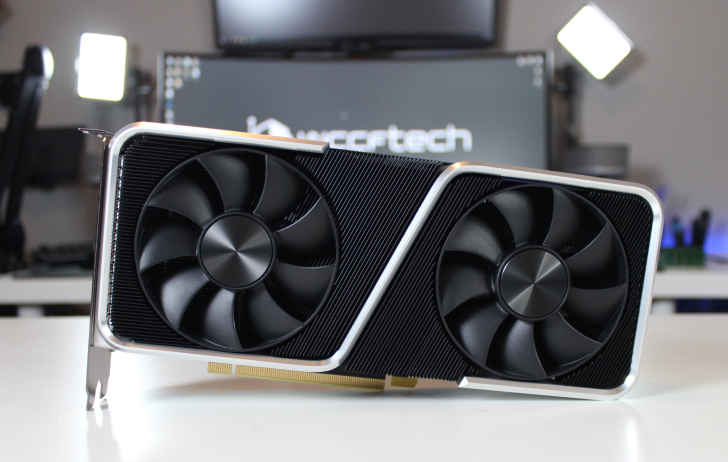
NVIDIA may be preparing to bring back the GeForce RTX 3060, with reports suggesting GPU production could restart due to ongoing DRAM shortages impacting newer-generation graphics cards.
The GeForce RTX 3060 originally launched in 2021 and, despite NVIDIA moving on to newer models, it has remained one of the most widely used gaming GPUs according to Steam’s hardware stats. NVIDIA began winding down RTX 3060 production in 2024, but demand for affordable, mainstream graphics cards hasn’t gone away. While the RTX 4060 has been gaining ground and the RTX 5060 is expected to serve as the next big volume seller, memory supply issues may be forcing NVIDIA to lean on older, proven designs to keep shelves stocked.
According to a new update shared by a source known for tracking NVIDIA partner plans, NVIDIA has reportedly informed its board partners that the RTX 3060 is expected to return in Q1 2026. At this stage, it’s not clear whether NVIDIA will produce both versions of the card again or focus on just one. Historically, the RTX 3060 has been sold in two main configurations: a 12GB model with a 192-bit memory bus, and an 8GB model with a 128-bit bus.
The bigger reason this potential comeback matters is what it says about the current GPU market. Newer mainstream cards such as the GeForce RTX 5060 are expected to use GDDR7 memory. If DRAM and graphics memory supply remains tight and costs keep climbing, it can create a double problem for next-gen GPUs: higher retail prices and limited availability. And because NVIDIA’s “60-class” GPUs are designed for mass-market gamers, any disruption to memory sourcing can quickly turn into product shortages at the exact price tier where most buyers shop.
That’s where the RTX 3060 could fit in as a stopgap solution—something partners can build in volume while next-gen supply stabilizes. For many gamers, especially those playing at 1080p, the RTX 3060 is still a practical option, particularly the 12GB version, which is generally seen as the more balanced configuration for modern games and texture-heavy workloads. The 8GB version, on the other hand, drew criticism in the past due to its reduced memory capacity and narrower memory bus.
If NVIDIA does relaunch the RTX 3060 in 2026, pricing will be the deciding factor. To make sense in a market full of newer GPUs and competing budget cards, a return would need to be aggressively priced—ideally under $200—so it feels like a value-focused option rather than yesterday’s hardware at today’s prices.
For now, nothing is officially confirmed, but the reported Q1 2026 timeline and the broader DRAM situation suggest the RTX 3060 may be positioned as a practical answer to supply constraints in the mainstream GPU segment.