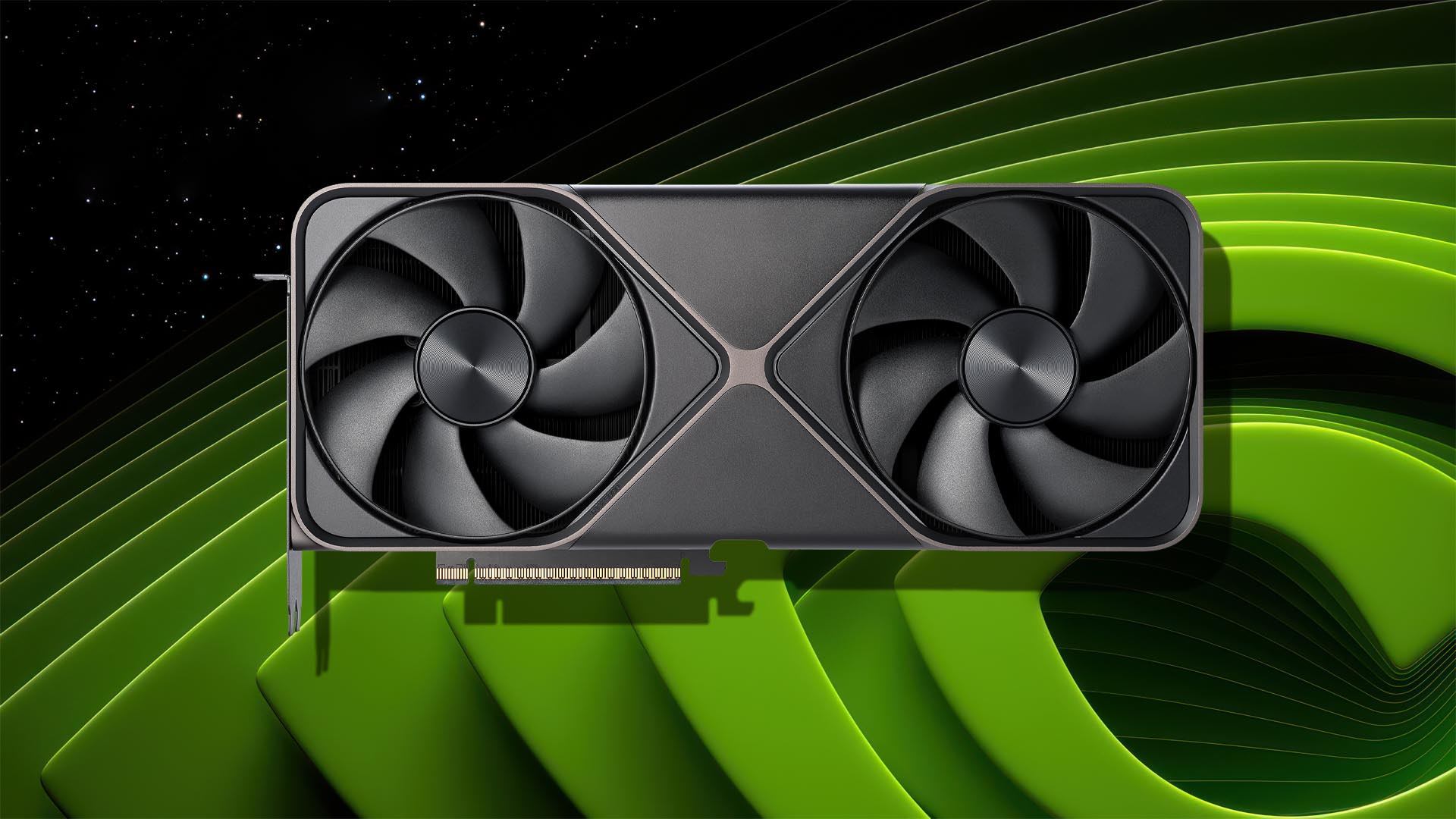
NVIDIA RTX 5080 disappears from official marketplace as 24GB model rumors grow
NVIDIA’s high-end RTX 50-series lineup is getting harder to find through official channels. After the GeForce RTX 5090 vanished from NVIDIA’s online marketplace earlier this month, the RTX 5080 has now followed the same path. The change comes at an interesting time, as industry chatter continues to point toward a possible RTX 5080 model with 24GB of VRAM that could arrive before 2027.
A visit to NVIDIA’s consumer graphics card marketplace now shows no listing options for either the RTX 5090 or RTX 5080. Custom partner models based on those GPUs also appear to be missing. At the moment, the fastest card still listed is the GeForce RTX 5070 Ti, with several partner variants available, including models sold at noticeably higher prices than standard expectations.
The RTX 5080’s removal may not come as a major surprise. Before disappearing from NVIDIA’s storefront, the card had already seen major price hikes across several retailers. In some cases, RTX 5080 pricing reportedly climbed beyond the $2,000 mark, putting it above the RTX 5090’s original launch MSRP. That kind of sharp increase usually signals tight supply, strong demand, or both.
The bigger question now is what NVIDIA plans to do next with the RTX 5080 lineup. One possibility is that the rumored 24GB version could be tied to a refreshed RTX 5080 SUPER. Earlier speculation suggested that such a model could use a GB203-450 GPU, feature higher clock speeds, faster memory pin speeds, improved bandwidth, and a higher power limit. However, it remains unclear whether the upcoming 24GB card will launch as an RTX 5080 SUPER or as a separate RTX 5080 variant.
A 24GB RTX 5080 would make sense for more than just gaming. While the current RTX 5080 is already positioned as a powerful graphics card for high-end PC gaming, a larger VRAM buffer would make it far more appealing to creators, developers, and AI users. The jump from 16GB to 24GB of video memory would give buyers more room for demanding workloads, including local AI model testing, content creation, 3D rendering, and high-resolution gaming with advanced ray tracing.
For users interested in running local AI models, the added memory could be a major advantage. A 16GB framebuffer can become limiting with larger workloads, while 24GB gives more flexibility for running quantized 27B parameter models and other memory-intensive applications. This would allow NVIDIA to position the new RTX 5080 not only as a gaming GPU but also as a more versatile card for AI and professional workflows.
However, availability and pricing remain major concerns. The ongoing memory supply crunch could make it difficult for NVIDIA and its partners to produce enough 24GB cards at reasonable prices. If supply remains limited, the new RTX 5080 model could launch with inflated pricing, especially if demand from gamers, AI users, and creators overlaps.
For now, the disappearance of the RTX 5080 from NVIDIA’s marketplace strongly suggests that the company may be clearing the way for a revised model or managing limited remaining inventory. Until NVIDIA confirms its plans, buyers looking for a high-end RTX 50-series GPU may face a difficult choice: pay inflated prices for existing stock, wait for a potential 24GB RTX 5080, or settle for lower-tier options like the RTX 5070 Ti.
If the rumored 24GB RTX 5080 does arrive, it could become one of the more interesting graphics card releases in NVIDIA’s current lineup. But unless supply improves, it may also become one of the hardest cards to buy at a fair price.


