Valve’s latest Proton Experimental update is delivering exciting enhancements for Linux gamers, especially those who love to get the most out of their NVIDIA GPUs. This update is an extension of the previously released Proton 9.0-3 and focuses on elevating gaming performance and compatibility for Linux users. Initially launched in September, Proton 9.0-3 aimed at bridging the gap for Windows games running on Linux systems, and with this new update, further strides have been made.
One of the most headline-grabbing features of this update is the integration of NVIDIA DLSS 3.0, which is a game-changer for Linux users with RTX hardware. This technology allows for superior gaming performance by upscaling graphics without sacrificing quality. Additionally, NVIDIA’s Optical Flow technology is now supported, offering AI-driven enhancements for smoother gameplay.
Beyond the graphics power-ups, the update also tackles a host of bugs in popular games, providing fixes for titles like Final Fantasy XVI, Yakuza 6, Hunt: Showdown, and Greedfall. These fixes span performance enhancements, crash resolutions, improved controller and mod support, as well as video playback adjustments. Notably, Doom Eternal players will now enjoy enhanced mod support, and the experimental update has improved Thread Priority Management for a consistent, smoother gaming performance.
Further technical enhancements include improved DXVK and VKD3D-Proton integration. DXVK allows older games using DirectX 9, 10, and 11 to run more efficiently by translating these into Vulkan calls. Meanwhile, VKD3D-Proton focuses on optimizing DirectX 12 games for high-end Linux systems. This includes features like NVIDIA Reflex for reduced input latency and better VR support via OpenVR.
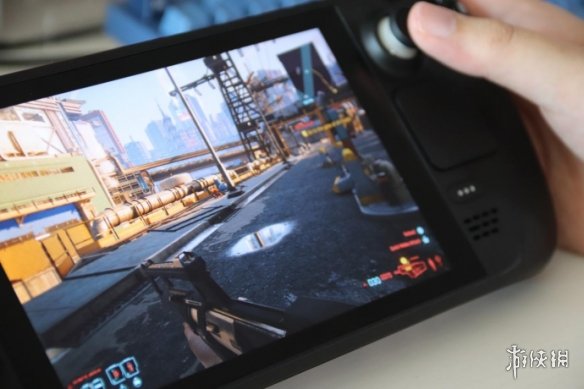
With these updates, Linux is becoming an increasingly attractive gaming platform, closing the gap with Windows and offering equal experiences in many gaming scenarios. This is particularly promising for users of the Steam Deck, which operates on the Linux-based SteamOS, but also benefits a wide array of other Linux-based systems. As Linux gaming continues to evolve, these updates confirm the operating system’s growing viability as a gaming powerhouse.
These updates not only enhance the gaming experience but also suggest a future where Linux is a strong contender in the gaming world, offering an almost seamless performance comparable to Windows-based systems. This is definitely a thrilling time for gamers who are rooting for open-source platforms.