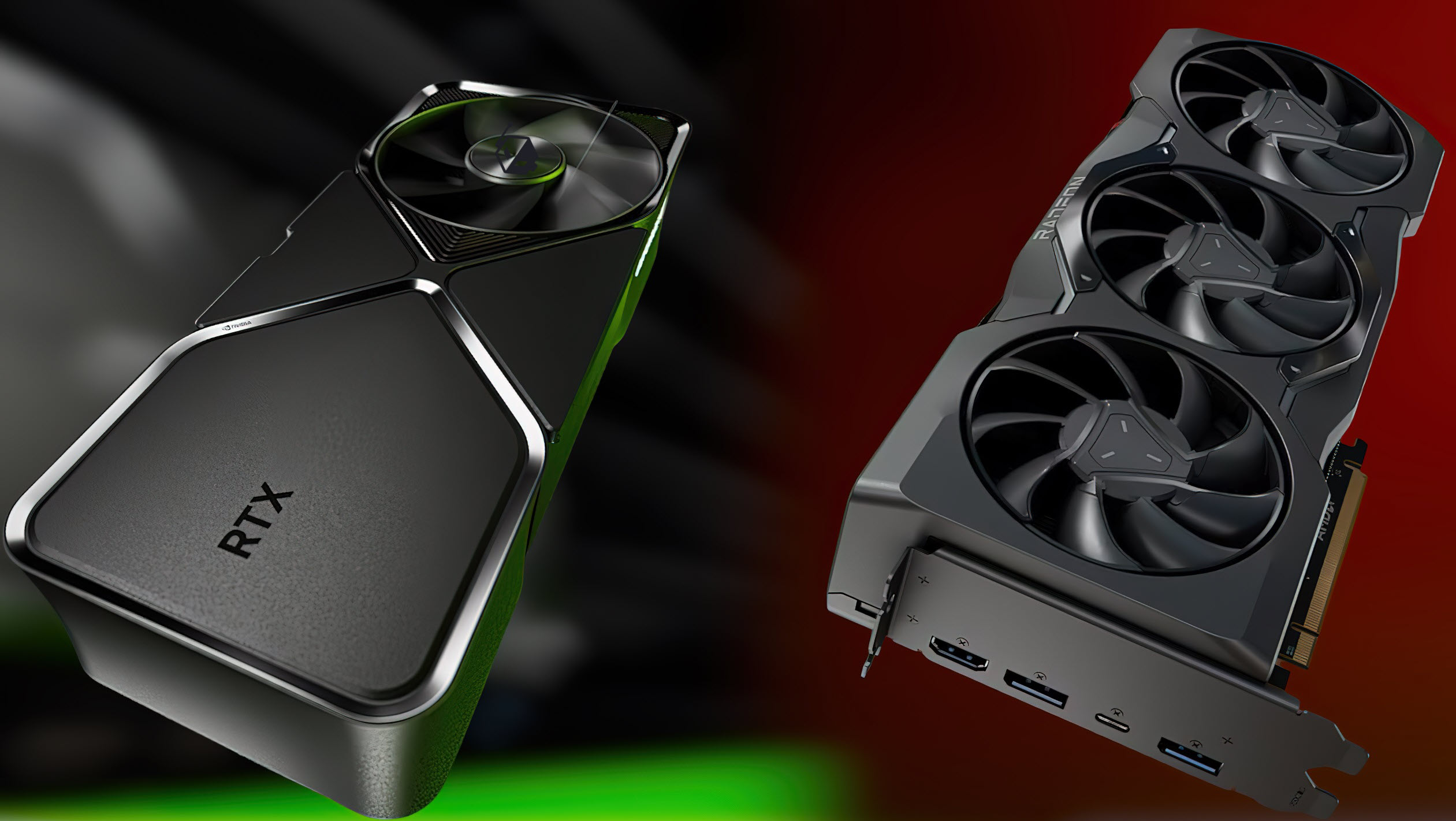
In a whirlwind of activity to outmaneuver impending tariffs from the Trump administration, NVIDIA and AMD are making bold moves to ship their next-generation graphics cards to the United States from China before January 20. These actions are a strategic attempt to sidestep significant tariff increases that threaten to inflate GPU prices dramatically.
AMD and NVIDIA are reportedly accelerating production and shipping processes for their upcoming GPUs. This urgent effort, involving their AIB (Add-In Board) partners, is seen as a preemptive measure to avoid tariffs set to escalate consumer prices significantly. Given the anticipated tariffs, these manufacturers are keen on delivering the GPUs to US markets as swiftly as possible, marking an unusual rise in production rates given the typically constrained supply during initial rollouts.
Reports suggest that production for these next-gen GPUs commenced in early December, an indication of the manufacturers’ determination to ensure timely arrival in the US well before the presidential inauguration date. This swift action allows the companies to bolster profits from the initial units before the incoming tariffs, which could profoundly impact pricing structures.
The proposed tariffs from Trump’s administration include a 10% hike on imports from countries other than China and a staggering 60% on Chinese imports. Most consumer gaming GPUs are sourced from China, meaning that prices could potentially rise by around 40% if manufacturers integrate the full tariff cost into consumer pricing. Reflecting similar strategies, industry giants like Microsoft, Dell, and HP have also expedited their production processes in reaction to these policies.
While official prices for NVIDIA’s and AMD’s latest GPUs haven’t been disclosed, there are speculations estimating the GeForce RTX 5090 at around $1,799 and the Radeon RX 9070 XT at approximately $1,000. Should a 40% tariff be implemented, this pricing could escalate to $2,500 for NVIDIA’s flagship and $1,400 for AMD’s model. Such increases would pose a significant shake-up in the consumer GPU markets.
Though the tariff policy isn’t yet officially in place, it seems certain that prices will rise, potentially altering purchasing decisions for consumers and impacting the gaming and tech enthusiast communities. The proactive steps by NVIDIA and AMD underscore the volatile interplay of international politics and tech industry strategies amidst changing economic landscapes.