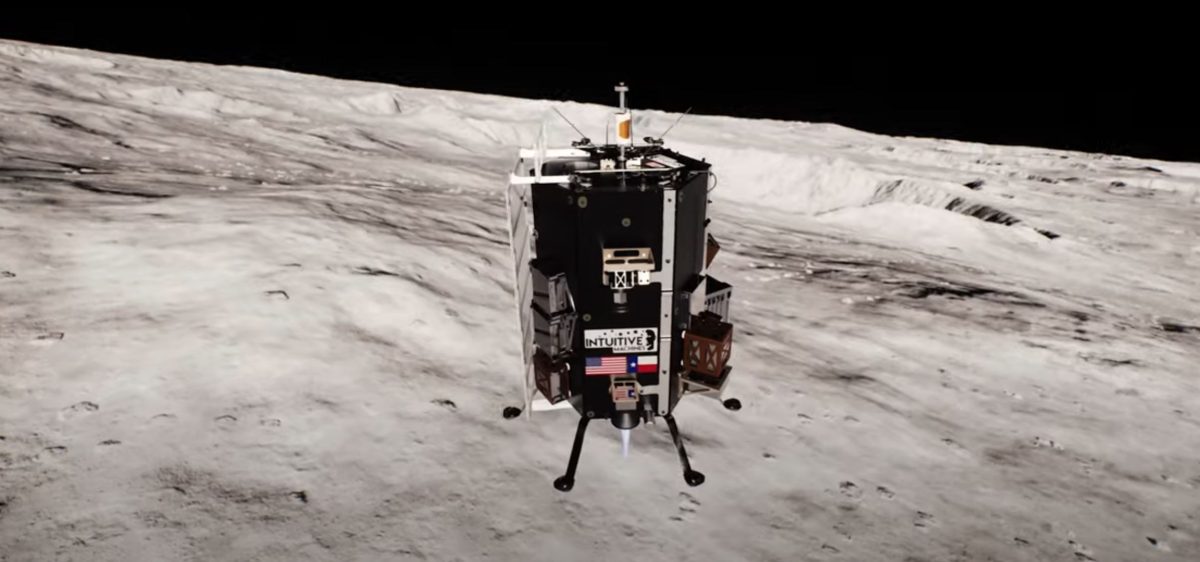
In a groundbreaking venture that captured the tech world’s imagination, Nokia recently aimed to make history by deploying the first cellular network on the lunar surface. This monumental effort was part of a collaboration with NASA on the Intuitive Machines’ IM-2 mission. The lunar network, designed to pave the way for future explorations, marks Nokia’s foray into space-based telecommunication infrastructure. Although Nokia Bell Labs’ Lunar Surface Communication System successfully accompanied the Athena lander to the moon, it fell short of completing a defining task: making the first-ever cellular call from the Moon.
The excitement surrounding Nokia’s ambitious project was rooted in its potential to revolutionize lunar communication. By participating in the IM-2 mission, which is essential for transporting NASA technology and additional equipment, Nokia sought to establish an LTE network that’s critical for sustained lunar exploration efforts. Despite the successful lunar touchdown by the Athena lander, a critical issue arose—the lander’s unexpected side landing impeded the functionality of the solar panels, leading to insufficient power generation. Consequently, the shortage of energy thwarted the mission’s primary aim of inaugurating a cellular call from the lunar surface.
While this setback was disheartening, it didn’t overshadow Nokia’s achievement of deploying a 4G network in the moon’s south pole region. Nokia verified crucial network operations, including transmitting data to its ground station and its mission control center on Earth. Several tests were completed in a short 25-minute window, before the lander’s systems shut down.
The President of Bell Labs Solution Research at Nokia commented on the mission’s mixed outcomes, highlighting the significance of their accomplishments amidst adversity. He emphasized their readiness for success: had the device modules functioned as planned at power-up, Nokia would likely have achieved the historic first cellular call on the Moon.
Although the tech community may focus on the missed opportunity of a cellular call, this setback had broader implications for Intuitive Machines, whose stock saw a significant decrease of over 50 percent. Yet, this mission has proven that terrestrial technology can effectively be adapted for space application, setting the stage for future technological advancements in lunar exploration.