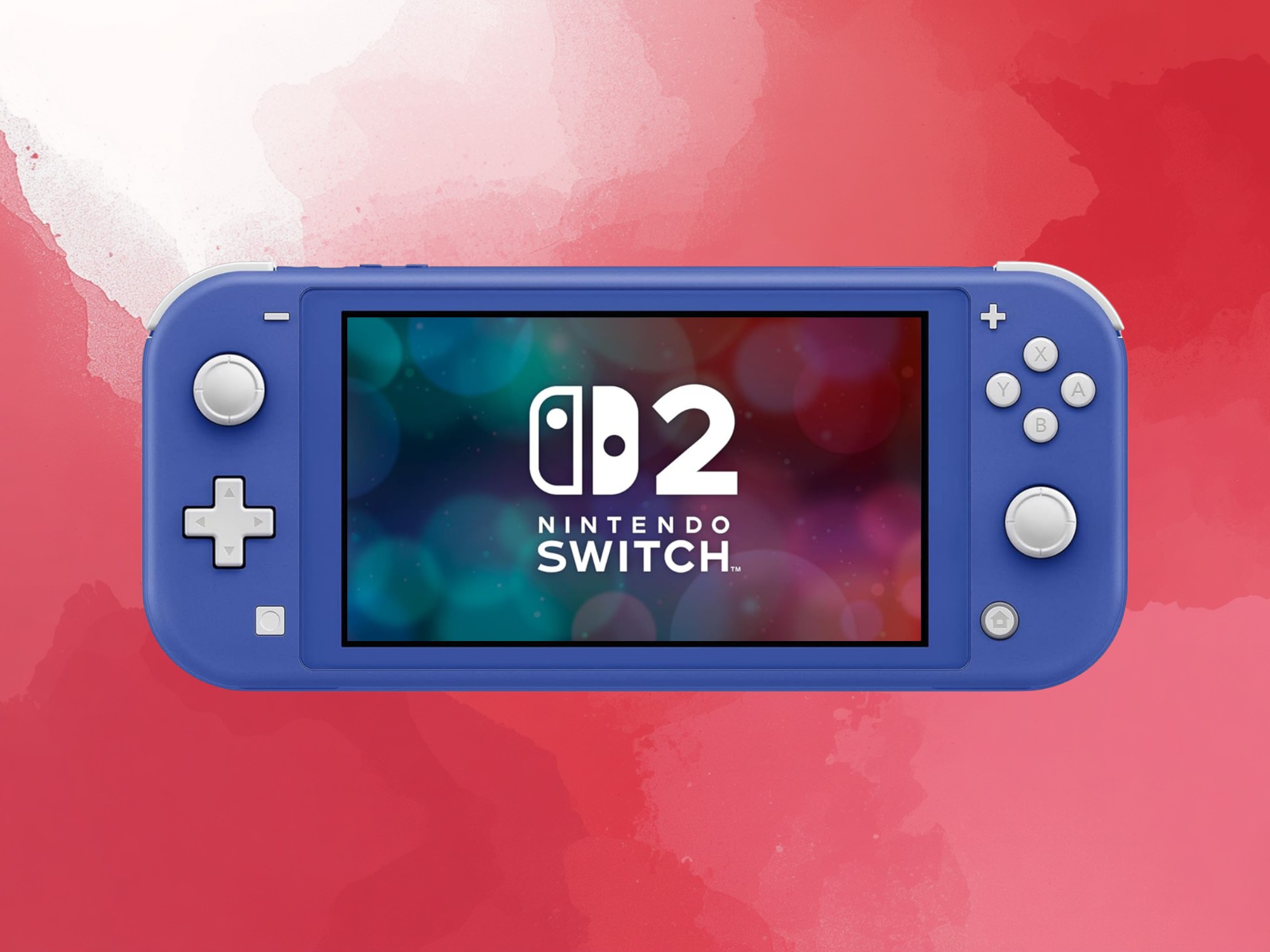
Nintendo may be gearing up for more than just a Switch 2 price adjustment. Buried in the company’s latest fiscal report is a detail that’s reigniting speculation about new hardware: Nintendo’s research and development spending surged dramatically, and fans are reading it as a clue that a Switch 2 OLED model, a Switch 2 Lite, or another revised version of the console could be in the works.
While headlines focused on the newly announced Switch 2 price increase, the financial summary shows R&D costs climbing to 177.8 billion yen in FY 2026. That’s a 23.7% jump from 144.6 billion yen in FY 2025, and it stands out because Nintendo’s research budget typically grows more gradually. A spike this large is rare enough that some players are comparing it to other moments in recent Nintendo history when big hardware moves followed notable increases in R&D investment.
Looking back, Nintendo’s R&D spending rose from about 69.6 billion yen in 2019 to 84.1 billion yen in 2020. Around that era, the company introduced the Switch Lite in September 2019, followed later by the Switch OLED model in October 2021. In years without major hardware rollouts, the year-over-year changes were often smaller. That’s why a near-24% jump is catching attention now, especially from fans who track these patterns and believe Nintendo may be preparing a new Switch 2 variant.
Of course, Nintendo research isn’t only about consoles. The company is constantly experimenting, filing patents, and investing in software, services, and manufacturing improvements. Even so, developing a revised handheld system—whether it’s a slimmer budget model or a premium display upgrade—can require substantial engineering work, supply chain planning, and operating system changes. That’s enough for many to connect the dots and revisit earlier rumors.
One of the more talked-about hints surfaced in January 2026, when a datamine of the Nintendo Account portal reportedly uncovered an “OSM” reference. Since “BEE” had already been associated with existing hardware, the unfamiliar identifier sparked theories that Nintendo might be testing or preparing a new device category. Among the popular guesses: a streamlined Switch 2 Lite designed to lower the cost of entry, or a higher-end model that could include OLED-related improvements.
The idea of a budget-friendly Switch 2 has also gained momentum for a simple reason: price. With the Switch 2 price increase now official, demand for a cheaper alternative could be stronger than ever—especially if consumers hesitate at the new cost. A separate report earlier this year discussed the possibility that Nintendo could move faster on revisions if adoption slows, suggesting hardware updates might be a lever the company can pull if sales momentum cools.
From a market perspective, a Switch 2 Lite makes plenty of sense. A lower-priced model could expand the audience, attract families, and bring in players who want access to Switch 2 games without paying for premium features. Some former Nintendo marketing voices have even floated $350 as a reasonable target price for a more affordable version—high enough to protect margins, but low enough to feel like a meaningful alternative.
There’s also a more practical explanation that doesn’t involve flashy upgrades: compliance and repairability. Nintendo has confirmed it made a tweak to its latest handheld to make battery replacement easier, aligning with evolving repair expectations and regulations in certain regions. If similar changes are being planned for newer hardware, that could contribute to increased R&D. Still, whether a repair-focused adjustment alone would drive such a major budget spike is something fans are debating.
For now, Nintendo hasn’t confirmed a Switch 2 OLED or Switch 2 Lite, and the R&D increase could reflect multiple projects happening at once. But between the sharp rise in research spending, renewed chatter from datamining discoveries, and the market pressure created by higher console prices, the rumors are gaining traction again. If Nintendo follows its familiar playbook, revised models could be one of the next big moves to keep the Switch 2 ecosystem growing.