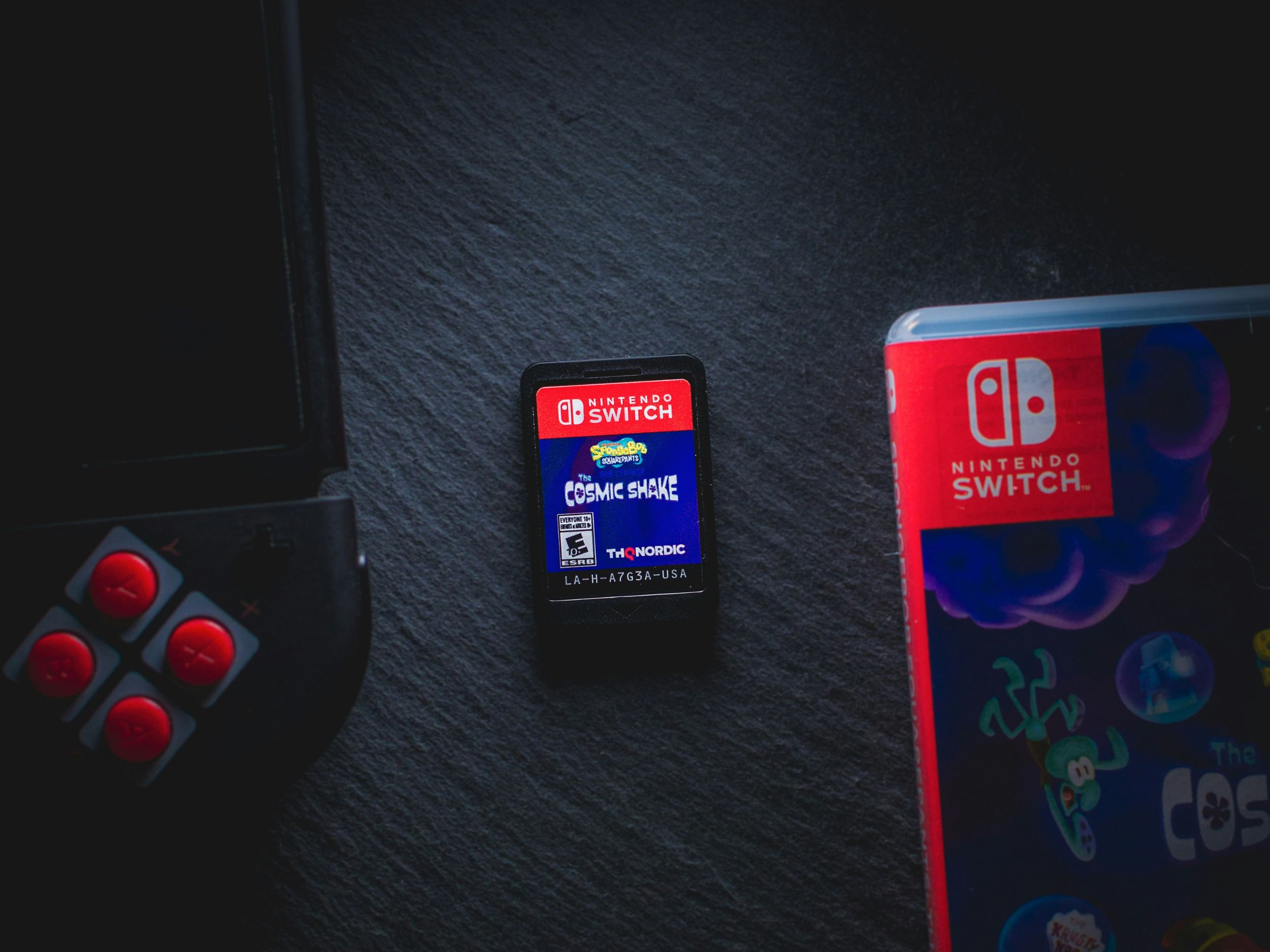
Physical Games Are Making a Comeback, and Nintendo Switch 2 Game-Key Cards Are a Big Reason Why
After years of steady decline, physical video games are showing unexpected signs of life again. In the United States, spending on new physical games has increased for the first time in more than a decade, and one of the biggest factors behind that rebound appears to be Nintendo’s controversial Game-Key Cards for the Nintendo Switch 2.
For a long time, the gaming industry seemed to be moving in one clear direction: digital downloads, online storefronts, and fewer discs or cartridges on store shelves. Many players have become used to buying games digitally, while publishers benefit from lower manufacturing costs and tighter control over distribution. But new market data suggests physical games are not disappearing as quickly as some companies may have expected.
According to data from market research firm Circana, shared by industry analyst Mat Piscatella, spending on new physical games in the US rose by 5% in 2026, reaching $738 million. That marks the first annual increase in physical game spending in ten years.
The most striking part of the data is the role played by Nintendo Switch 2 Game-Key Cards. Spending on these cards reportedly surged by 631% compared to the previous year. Without that jump, the physical games market would have looked much weaker. Spending on all other physical game formats actually dropped by 3%.
The reason for the sharp increase seems to be simple: more games are available. Only ten Game-Key Card titles were released the year before, while 54 more were added in 2026. With a larger library on store shelves, Nintendo Switch 2 owners had far more opportunities to buy physical versions of games, even if those versions are not traditional cartridges in the classic sense.
Game-Key Cards remain a divisive topic among Nintendo fans. Unlike standard physical cartridges, they do not contain the full game. Instead, they act as a physical license that allows the player to download the game. That means the card is required, but the game still has to be downloaded before it can be played.
This has frustrated players who prefer true physical ownership. For many collectors and long-time fans, the appeal of physical games is that the full game is stored on the disc or cartridge. A Game-Key Card does not offer the same level of preservation or independence from online servers.
Still, these cards do keep some benefits of physical media. They can be placed on store shelves, bought as gifts, lent to friends, and resold. For players who like having something tangible, that still matters.
Online discussions show that many gamers do not see the sales increase as proof that Game-Key Cards are beloved. Instead, they argue that the numbers show continued demand for physical game options in general. Some players believe Nintendo could have sold even more if the company had offered full cartridges rather than download-based cards.
The bigger takeaway is that physical games may still have a stronger audience than many industry leaders assume. While digital sales remain dominant, there is clearly still value in retail presence, box art, collections, resale options, and the feeling of actually owning something.
That makes the timing especially interesting. Reports have suggested that Sony may eventually move away from physical game releases in the coming years. But if physical game spending can still grow under the right conditions, the case for abandoning discs entirely becomes more complicated.
Nintendo, on the other hand, has indicated that it does not currently plan to give up on physical games. Even with the controversy surrounding Game-Key Cards, the company’s approach appears to be helping keep boxed games relevant in an increasingly digital market.
The return to growth does not mean physical games are suddenly taking over again. Digital distribution is still the industry’s main direction, and convenience remains a huge factor for many players. But the latest figures show that physical media is far from dead.
For game collectors, retail buyers, and players who value ownership, the message is clear: there is still demand for physical games. Whether publishers respond with full cartridges and discs or continue experimenting with download-based cards could shape the future of game ownership for years to come.