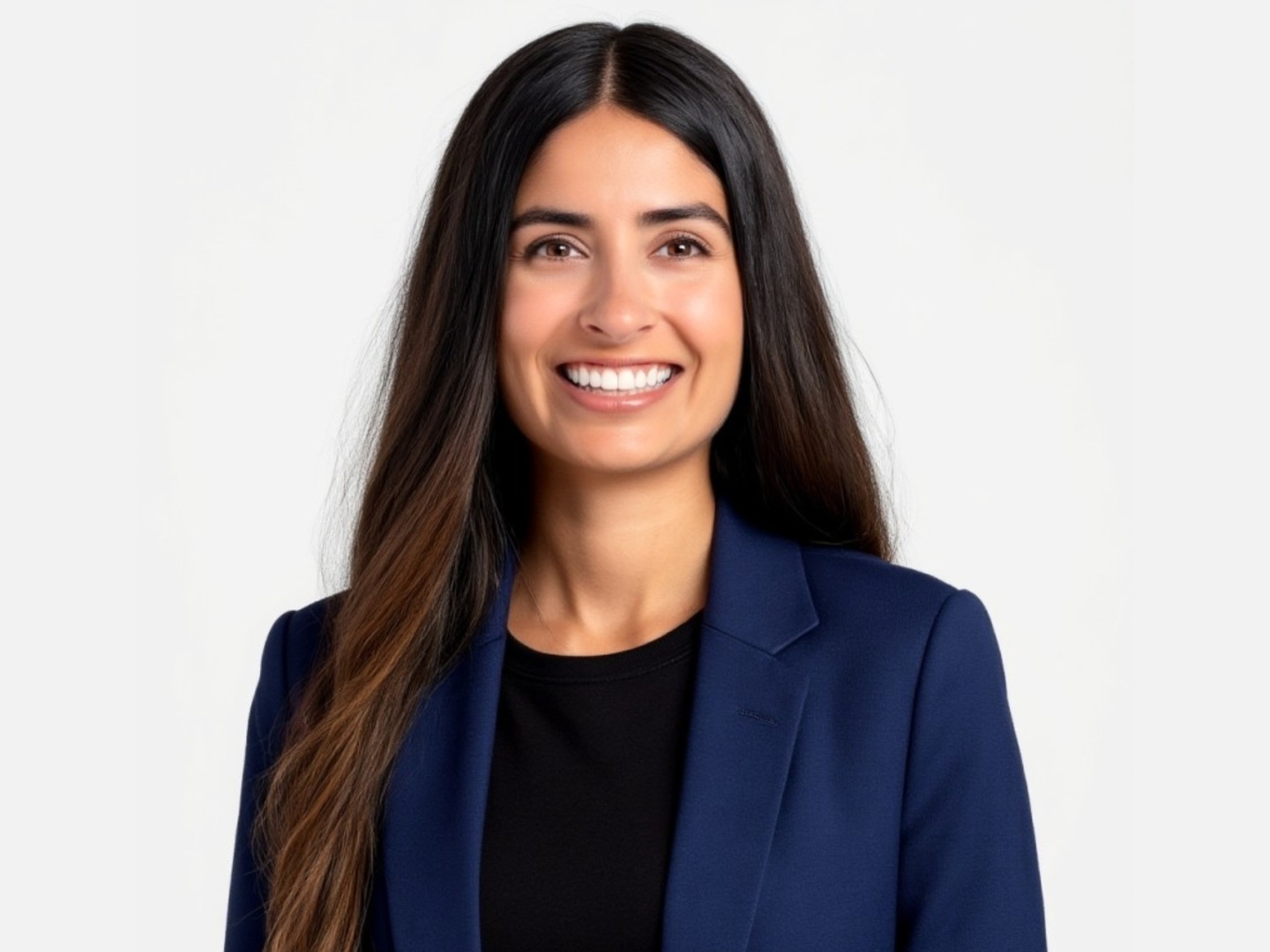
Big changes at Xbox have been making waves, and not only because Phil Spencer has reportedly stepped away. The bigger surprise for many fans has been the appointment of Asha Sharma as the new EVP and CEO of Xbox Gaming. Sharma previously led major initiatives as Microsoft’s CoreAI Product president, but her promotion immediately sparked debate online, with some questioning whether she’s “a real gamer” and what her leadership could mean for the future of Xbox.
A big part of that skepticism centered on Sharma’s newly discovered Xbox profile. After her appointment became public, people noticed her gamertag appeared to be created only about a month earlier, yet it showed a Gamerscore above 10,000 and a list of significant achievements across numerous games. That kind of progress in that short a time didn’t pass the smell test for a lot of players, and speculation spread quickly.
Sharma addressed the situation directly on social media, explaining that while the gamertag itself is recent, the account is shared by her family across multiple devices. In other words, the activity and achievements weren’t meant to represent a single person grinding through an impossible backlog in a few weeks, but rather a shared household account that racked up score more quickly than an individual profile typically would.
Even with the clarification, reactions remained divided. Some fans argued that someone without a long, visible history in gaming culture shouldn’t be running a major gaming brand. Others pushed back, saying a gaming CEO doesn’t necessarily need to be the most hardcore player in the room, as long as they can set a clear strategy, listen to the community, support developers, and build a sustainable future for the platform.
When it comes to that future, Sharma has signaled that her focus is on bringing a “return” to Xbox, described as reconnecting with the spirit the team was originally built on. She characterized that identity as rooted in surprise and in taking creative swings other companies won’t take. She also referenced the kind of internal energy people often associate with early Xbox: renegade, rebellious, and fun.
Most importantly for long-time fans, Sharma emphasized that her commitment starts with Xbox as a console ecosystem, not as an afterthought. She spoke about reducing what she called the “artificial divide” between devices, pointing toward a future where it’s easier for developers to build once and deliver experiences across multiple types of hardware. The idea is to lower the barriers between where people play, while still keeping Xbox’s core audience at the center of growth.
Sharma didn’t provide a release window or hard specifications for the next generation of Xbox hardware, but she did suggest that hardware-related announcements are coming sooner rather than later. She also acknowledged a reality that has reshaped gaming in recent years: many players aren’t on console hardware at all, and she wants Xbox games to reach them too.
For now, Sharma says she’s digging into the data, the existing strategy, and the reasoning behind current decisions as she takes over leadership. She’s also stepping into this new chapter alongside Matt Booty, who has been promoted to Chief Content Officer and is taking on a larger role in shaping Xbox’s game portfolio.
Closing out her message, Sharma has made it clear she intends to respect and maintain the culture Xbox built during Phil Spencer’s era. The message to fans is simple: Xbox has faced challenges before, and the team believes it can rebound again—this time with a renewed focus on its roots, its community, and a broader vision for how and where people can play.