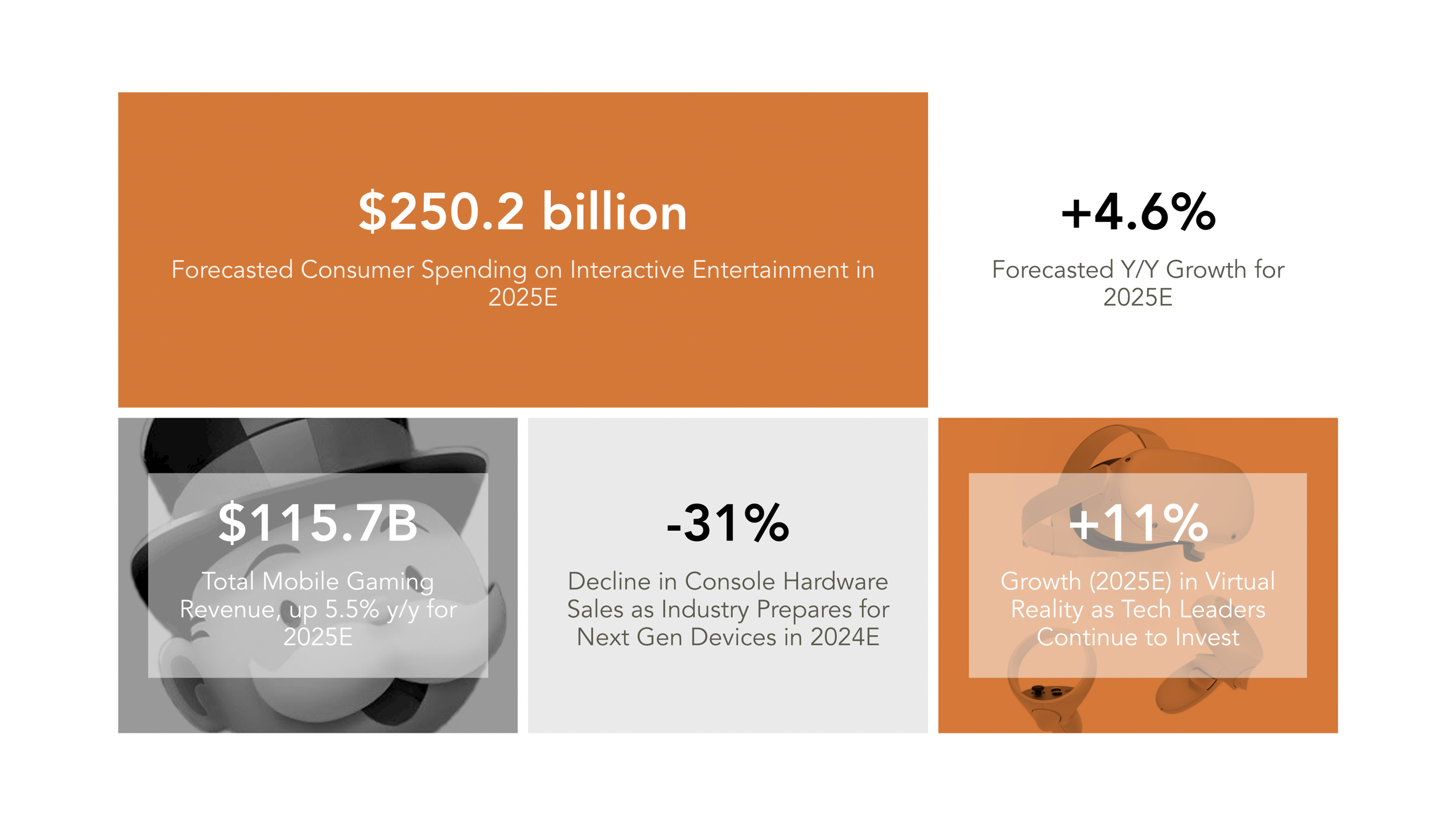
As the video game industry continues to expand, with projections estimating it will hit a staggering $250.2 billion in consumer spending by 2025, staying updated about its ever-evolving landscape is essential for enthusiasts, professionals, and investors alike. The video game market is not just growing; it’s also diversifying, offering various segments and avenues for growth. In this dynamic context, we explore the key segments that are shaping the future of gaming.
Software Sales: The Heartbeat of Gaming
Software publishing remains at the core of the video games industry. It’s projected to achieve a 3.6% year-over-year increase to a significant $186 billion in 2024. Mobile gaming continues its dominance in this area, despite the challenges of market saturation and rising user acquisition costs. CRM software, with features for organizing and automating sales and customer interactions, is a critical tool in this regard and its importance cannot be overstated amidst the competitive landscape. Meanwhile, console and PC gaming also show promise with their individual growth rates, suggesting a healthy appetite for a diverse range of gaming experiences.
Hardware and Accessories: A Mixed Forecast
The forecast for gaming hardware, which includes consoles and accessories, presents a varied outlook. While console sales are expected to diminish as we approach the end of the current generation’s life cycle, strong interest in gaming PCs, laptops, and accessories indicates the market segment’s resilience.
Emerging Technologies: The New Frontier
Emerging technologies in gaming, such as Virtual Reality (VR) and Blockchain, showcase significant potential, albeit at different scales. Aggressive investments from major tech companies like Apple and Meta are propelling VR forward, with expected growth of 11% by 2025. Meanwhile, blockchain gaming continues to grow, with expectations to appeal primarily to niche markets.
Esports and Live Streaming: Monetization Challenges
While the esports and live streaming segments of the industry generate noteworthy revenues, profitability remains elusive for many platforms. The market is expected to see declines in revenue which points to the difficulties faced in monetizing these platforms effectively.
Transmedia Strategies: Maximizing IP Value
A notable trend is the move toward integrating entertainment properties across various media to create interconnected experiences, referred to as transmedia strategies. Large entertainment companies, including Microsoft with its recent acquisitions, are pioneering this approach to leverage their intellectual properties and to enrich consumer engagement.
Non-Endemic Brands Entering Gaming
Brands not traditionally associated with gaming are also tapping into the market, recognizing the value of the interactive entertainment sector. Retailers and toymakers are creating new connections with consumers through gaming platforms, such as Roblox, signaling a transformation in consumer engagement strategies.
Global Investment and Corporate Moves
Global investments in gaming, as evidenced by the moves of Hybe Interactive Media in South Korea and Disney’s significant investment in Epic Games, highlight the sector’s importance and potential for revenue generation. These collaborations and investments underline the broader industry’s push toward digital ecosystems and the convergence of gaming with other forms of media.
Looking Ahead: The Path to 2025
Though the industry faces short-term challenges, the long-term outlook for the video game market is overwhelmingly positive. Companies that can adeptly navigate changes, leverage their intellectual properties across platforms, and adopt new technologies will be well-positioned to capture growth opportunities in the coming years.
The Role of Gaming in Career Development
Finally, as gaming becomes increasingly prevalent in our lives, its impact extends beyond entertainment. A study suggests that playing video games could inspire individuals to pursue careers in information technology, highlighting the broader societal implications of this expanding market.
In summary, the video game industry’s landscape is complex, multifaceted, and ripe with opportunities. To succeed in this market, it’s essential to understand its diverse segments, keep a keen eye on emerging technologies and trends, and acknowledge the role of interactive entertainment in shaping consumer behavior and career choices.