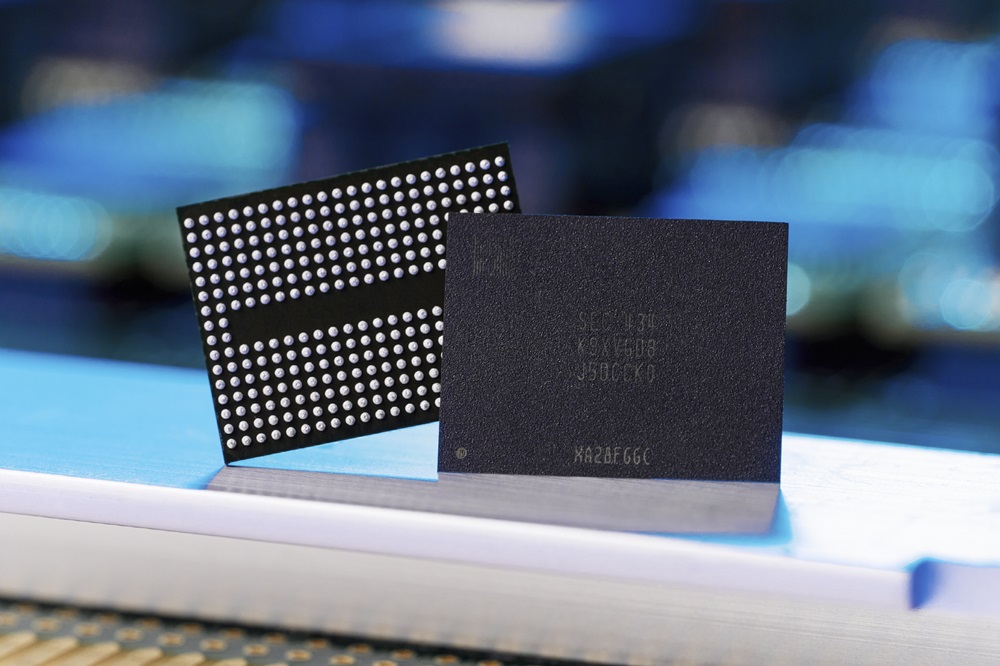
This year has been quite a rollercoaster for the storage market, particularly with NAND Flash prices taking a notable dive. Anticipated to drop further by up to 8% by the end of 2024, this decline is largely attributed to a slump in the demand for Solid-State Drives (SSDs). As production ramps up, the price cuts are bound to benefit various segments, including Client SSD, eMMC UFS, and 3D NAND Wafers.
According to industry insights, consumers can expect a significant price reduction in storage drives as we move into the fourth quarter of 2024. Weak demand coupled with increased NAND Flash production is shaping this downward pricing trend. Analysts suggest that most market segments will experience a price slide between 3-8%, with some areas seeing drops as dramatic as 15%. Curiously, while the broader market experiences this downturn, the Enterprise segment remains relatively unaffected.
Taking a closer look, storage solutions embedded within devices, like the Embedded Multimedia Card (eMMC) and Universal Flash Storage (UFS), had stable prices in the third quarter of 2024. However, projections indicate a decrease in their prices between 8-13% in the final quarter of the year. Despite the fresh appeal of flagship devices like the iPhone 16 series and Samsung Galaxy S24 Ultra, the market is showing caution. Buyers seem hesitant to stockpile storage solutions with ample inventory already afloat.
For 3D NAND Wafers, including QLC (Quad Level Cell) and TLC (Triple Level Cell), a price deduction in the range of 10-15% is expected. Seasonal promotions, like back-to-school events and holiday sales in the U.S. and Europe, have failed to spur hoped-for sales boosts. Consequently, the Chinese market too shows dwindling interest, particularly around the Double 11 shopping festival. An overall reduction in PC shipments further hints at decreasing prices for 3D NAND, compounded by manufacturers holding onto surplus stock and seeking to clear inventory at lower prices.
The Client SSD segment won’t escape this price reduction trend; it’s likely to see cuts of 5-10% in the fourth quarter. Factors such as inflation and limited practical applications for AI innovations have diminished the allure of newer, faster storage solutions. Despite manufacturing returning to full swing, with production capacity ramped up in Q3, demand in the server sector remains stable and insufficient to uplift SSD prices. Moreover, a growing disparity between spot market rates, channel prices, and OEM contract pricing is compounding the pressure on suppliers to stay competitive, inadvertently driving prices down further.
Overall, it seems like a good time for consumers considering an upgrade in their storage solutions, as the market trends continue to favor price reductions across various sectors.


