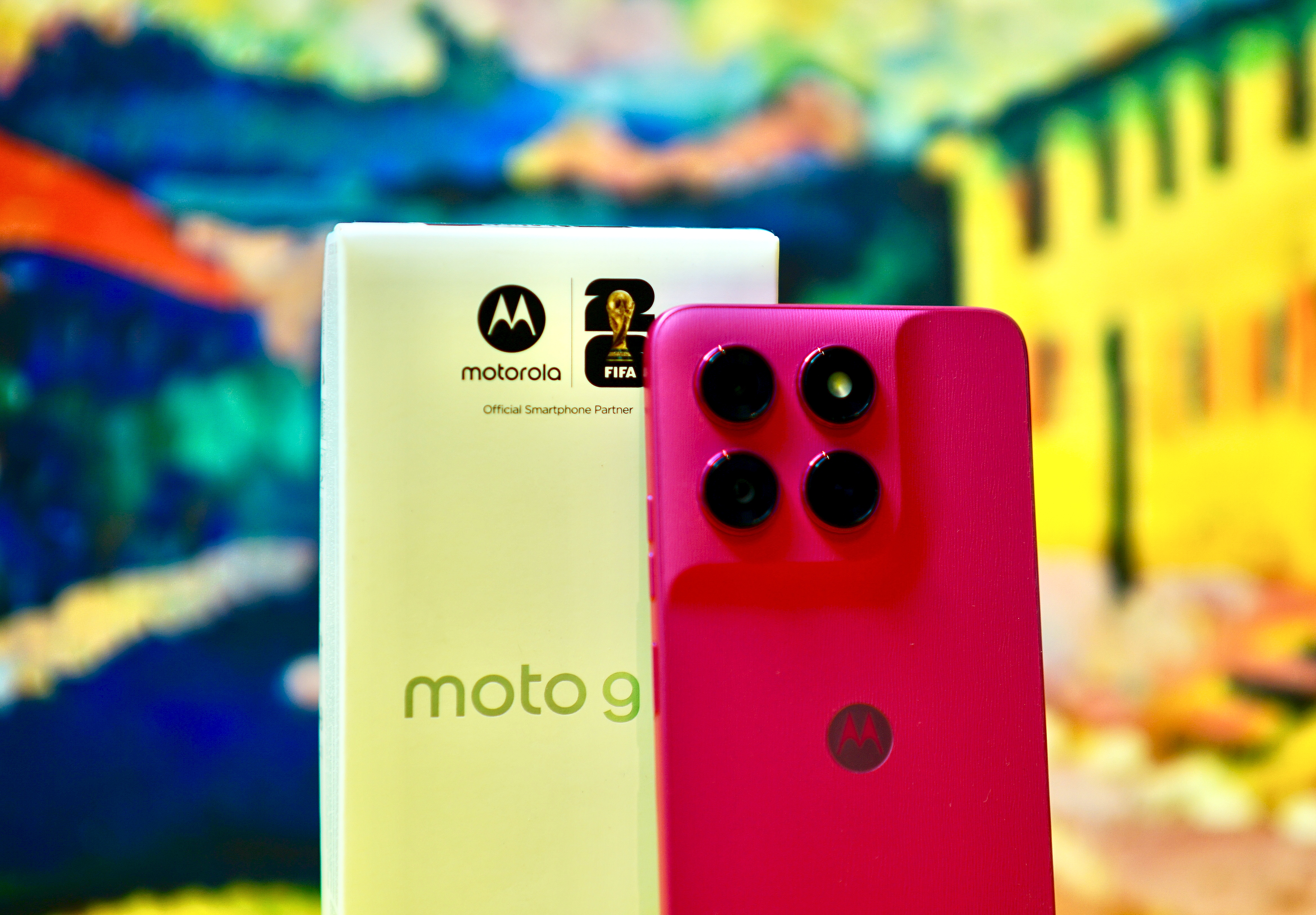
Motorola Moto G37 Camera Review: Solid Basics, But Key Downgrades Hold It Back
The Motorola Moto G37 arrives as the follow-up to the well-liked Moto G35, bringing a familiar budget-friendly appeal with a few important camera changes. For everyday users who mainly take quick photos for social media, messages, and casual memories, the Moto G37 can get the job done. However, anyone expecting a major camera upgrade may come away disappointed.
In good lighting, the Moto G37’s main camera produces acceptable images for its price category. Photos generally look fine on a phone screen, with decent color reproduction and reliable autofocus. For outdoor shots, food photos, portraits, and casual daytime photography, the results are usable and easy to share.
The front camera also performs reasonably well for selfies and video calls. Skin tones look acceptable, and images are good enough for casual use. Still, the limitations become obvious when zooming in. Fine details soften quickly, and photos can appear less sharp than expected, especially when compared with more capable camera phones.
Lab-style image analysis shows that the Moto G37 struggles with sharpness. While photos taken in bright conditions are suitable for personal use, they do not hold up well when cropped or digitally zoomed. This means users who like editing their photos afterward may notice a clear loss of detail.
For social media posts, the camera quality is generally sufficient. Platforms often compress images anyway, so the softer details may not be a major issue for casual sharing. But for users who want crisp photos, detailed textures, or more flexibility during editing, the Moto G37 camera system feels limited.
One area where the Moto G37 performs better than expected is low-light photography. The phone does a respectable job brightening darker scenes, making it more useful for evening snapshots, indoor gatherings, and dimly lit environments. For a phone in this price range, its ability to lift shadows and produce visible images in low light is a welcome advantage.
That said, low-light photos are not perfect. Some fine textures are lost, and challenging lighting conditions can expose the limits of the smaller sensor and basic optics. Bright lights, dark backgrounds, and mixed lighting can still result in softer details and reduced image clarity.
The biggest drawback is the removal of the wide-angle camera. Compared with the Moto G35, this is a noticeable downgrade. A wide-angle lens is useful for landscapes, group photos, architecture, travel shots, and tight indoor spaces. Without it, the Moto G37 feels less flexible as an everyday camera phone.
Another disappointment is the lack of 4K video recording. Users who want sharper, more detailed video will have to settle for lower-resolution recording options. For casual clips, the video quality may be acceptable, but the missing 4K support makes the phone feel like a step back from what some buyers might expect.
The Moto G37 still has a few strengths. Autofocus is dependable, colors are mostly pleasing, and low-light brightening is better than many budget users might anticipate. These qualities make it a practical option for simple photography needs.
Overall, the Motorola Moto G37 is a basic camera phone with a few useful qualities but also some clear compromises. It is suitable for users who mainly take photos in good lighting and share them online without heavy editing. However, the missing wide-angle lens, lack of 4K video, and consistently low sharpness prevent it from feeling like a true upgrade over its predecessor.
For buyers focused on affordability and casual photography, the Moto G37 may be enough. But for anyone who values camera versatility, sharper detail, and stronger video features, it may be worth considering other options before making a final decision.