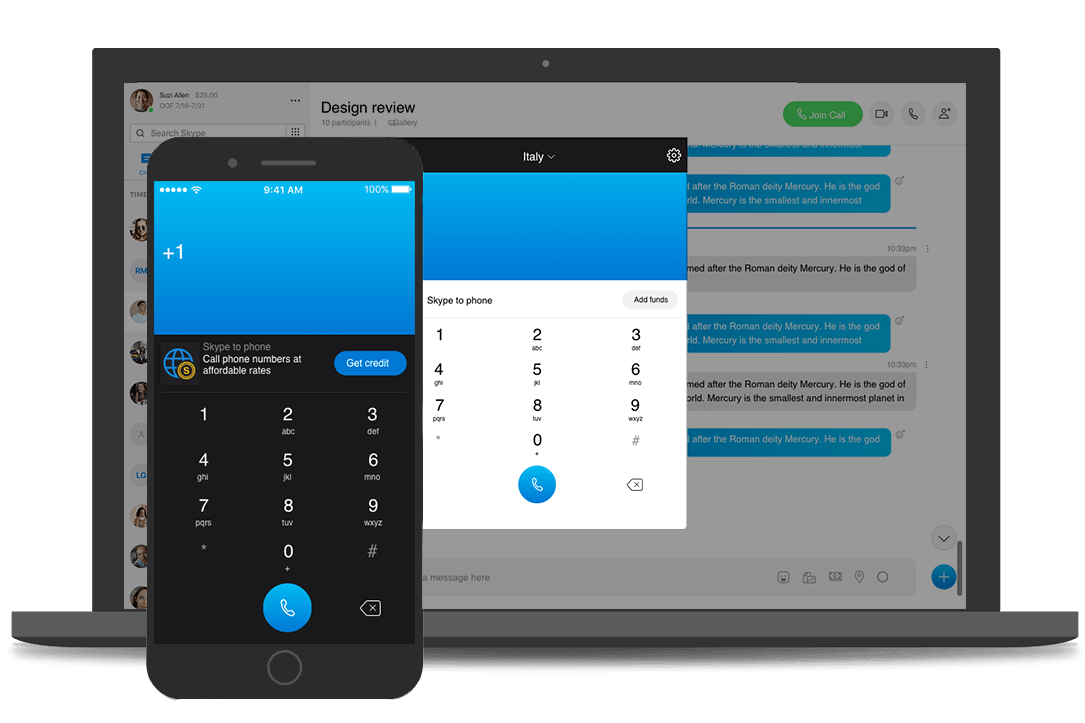
For millions of users who have relied on Skype for years, there’s a significant change in the air. Microsoft, the owner of the once-pioneering platform, quietly made a strategic shift that could affect many of its loyal clientele. The familiar option to top up your account with Skype credit or purchase Skype phone numbers is no longer available. Instead, Microsoft is urging users towards monthly subscription plans that cater to regional and global phone calls.
This move aligns Skype more closely with the Software as a Service (SaaS) model, focusing on monthly subscriptions over individual credit purchases. This change, which Microsoft did not formally announce, first came to light when a keen-eyed user noticed an update on a Microsoft forum. A volunteer moderator explained the alteration, confirming the change in how Microsoft is positioning Skype.
Historically, Skype has been a revolutionary force in the world of internet communications. Established in Luxembourg in 2003, it was a trailblazer in the VoIP (Voice over Internet Protocol) market, offering free internet-based voice calls and breaking away from costly traditional phone services. Over the years, Skype evolved, adding instant messaging, video calls, and file-sharing, setting up the framework that many modern communication apps now follow.
Skype’s journey through various ownerships is notable. It was snapped up by eBay in 2005 for $4.1 billion, only to change hands multiple times before Microsoft claimed it in 2011 for a hefty $8.5 billion. While it has always offered free Skype-to-Skype calls, the service made money by charging for calls to landlines and mobile phones and selling local numbers for international calling convenience.
However, as the digital landscape progressed, so did the competition. Apps like WhatsApp and Zoom have surged in popularity, eating into Skype’s user base. Ironically, Microsoft’s own Teams platform has played a role here. Since its debut in 2016, Teams absorbed the Skype for Business product, leaving Skype as more of a secondary service rather than the flagship product it once was.
The company hasn’t regularly disclosed Skype usage stats but did reveal a spike to 40 million daily users during the 2020 lockdowns. Despite such spikes, regular daily users had hovered around 23.5 million, a far cry from its earlier heyday. Last year, Microsoft hinted that over 36 million people still used Skype daily for phone calls and chats.
The transition to a subscription-based model is a significant pivot and has left users who relied on Skype’s phone capabilities in a bind. This decision impacts those who used the service for making calls to non-Skype numbers, a feature that not all messaging apps provide (although Zoom does offer a similar business-focused phone product).
In a somewhat puzzling twist, Skype’s website continues to promote Skype Credit and phone numbers on various pages. Users logging in might still see the option to purchase credit, but these transactions no longer go through. Microsoft acknowledges this discrepancy and is working to update the interface to reflect the new policy.
While it’s evident Skype is adapting to maintain relevance in a crowded market, these changes mark the end of an era for many dedicated users. The company may be navigating towards a more predictable revenue stream, but it’s clear that countless individuals will miss the flexibility Skype credits once offered.


