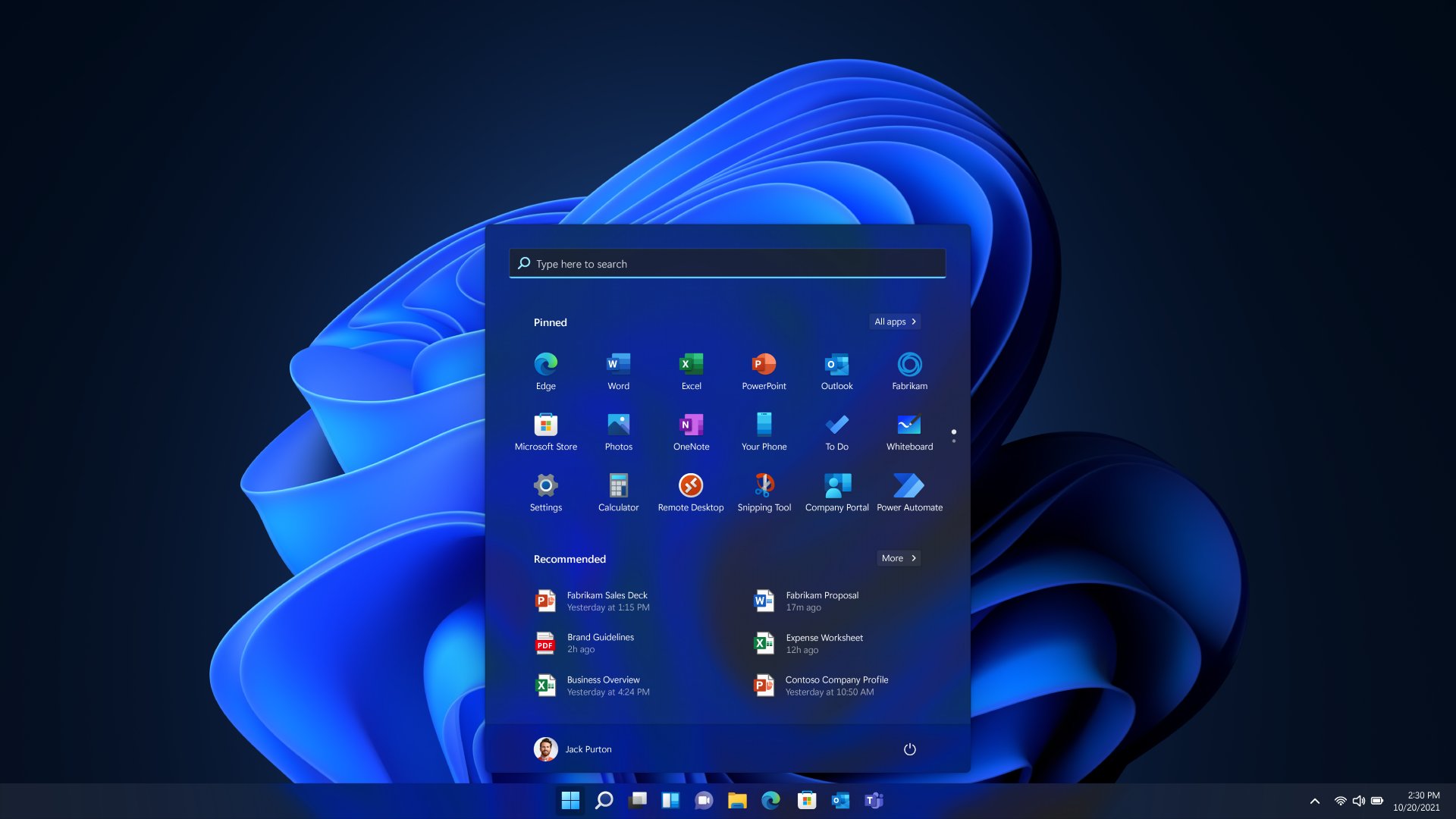
Windows 11 may not get an Apple-style transparency slider anytime soon
Apple’s new Liquid Glass design has sparked plenty of discussion, especially because of its glossy, transparent interface and adjustable visual effects. Naturally, some Windows users are now wondering whether Microsoft will bring a similar transparency slider to Windows 11.
For now, the answer appears to be: not immediately.
Microsoft’s Partner Director of Design, Mark Rogers, recently responded to a user asking whether Windows 11 could receive a transparency control similar to Apple’s Liquid Glass interface. Rogers did not completely rule out the idea, but he made it clear that Microsoft is not planning quick changes to the transparency options currently available in Windows.
According to Rogers, Microsoft is aware that some users want deeper customization, but the company also pays attention to the wider developer community. He pointed to third-party tools such as Windhawk, which already allow users to modify parts of the Windows experience, including visual effects.
Rogers explained that Microsoft only makes system-wide design changes when it is confident the feature can deliver a strong experience for all Windows users. In other words, a transparency slider may sound simple, but Microsoft appears to be cautious about adding a feature that could affect performance, battery life, accessibility, or consistency across millions of different PCs.
That cautious approach makes sense when looking at the current state of Windows 11. Microsoft has several major priorities right now, and visual customization may not be at the top of the list. One of the company’s biggest ongoing challenges is improving performance and memory usage, especially on systems with 8GB of RAM.
Windows 11 still has areas where optimization could be better. Some built-in apps can use more memory than expected, and users on older or lower-end hardware often notice slowdowns when multiple apps are open. Before adding more demanding visual effects, Microsoft may want to make sure the operating system runs smoothly across a wide range of devices.
Transparency effects can be visually appealing, but they are not always lightweight. Advanced interface effects often require additional GPU and CPU resources, and they can increase memory usage if not carefully optimized. That is especially important for Windows because it runs on a massive variety of hardware, from budget laptops to high-end gaming PCs and workstations.
Apple has more control over its hardware and software ecosystem, which can make it easier to tune design effects for specific devices. Microsoft, on the other hand, has to support countless hardware combinations, drivers, display types, and performance levels. A feature that looks smooth on a powerful machine could feel sluggish on a lower-end laptop.
This may be one reason Microsoft is hesitant to add a native transparency slider right away. The company likely wants to avoid introducing a design feature that only works well on premium hardware while making the experience worse for users with entry-level PCs.
Still, Rogers’ response leaves the door open for future changes. He did not say that Windows 11 will never receive more transparency controls. Instead, he suggested that Microsoft is listening to feedback and evaluating what users want.
For Windows enthusiasts who want more visual customization today, third-party tools remain the best option. Utilities like Windhawk allow users to experiment with interface changes without waiting for Microsoft to build those features directly into Windows 11.
The bigger picture is that Microsoft seems focused on stability, performance, and usability before adding more flashy design options. While some users may be disappointed, this approach could benefit the overall Windows experience in the long run.
A built-in Windows 11 transparency slider would certainly be popular among customization fans. It could give users more control over the look and feel of the operating system and help Windows feel more modern. But unless Microsoft can ensure that the feature works smoothly across different devices, it may remain a low-priority addition.
For now, Windows 11 users should not expect Apple-style Liquid Glass customization in the near future. Microsoft is aware of the demand, but the company appears to be waiting until it can deliver the feature without compromising performance or user experience.


