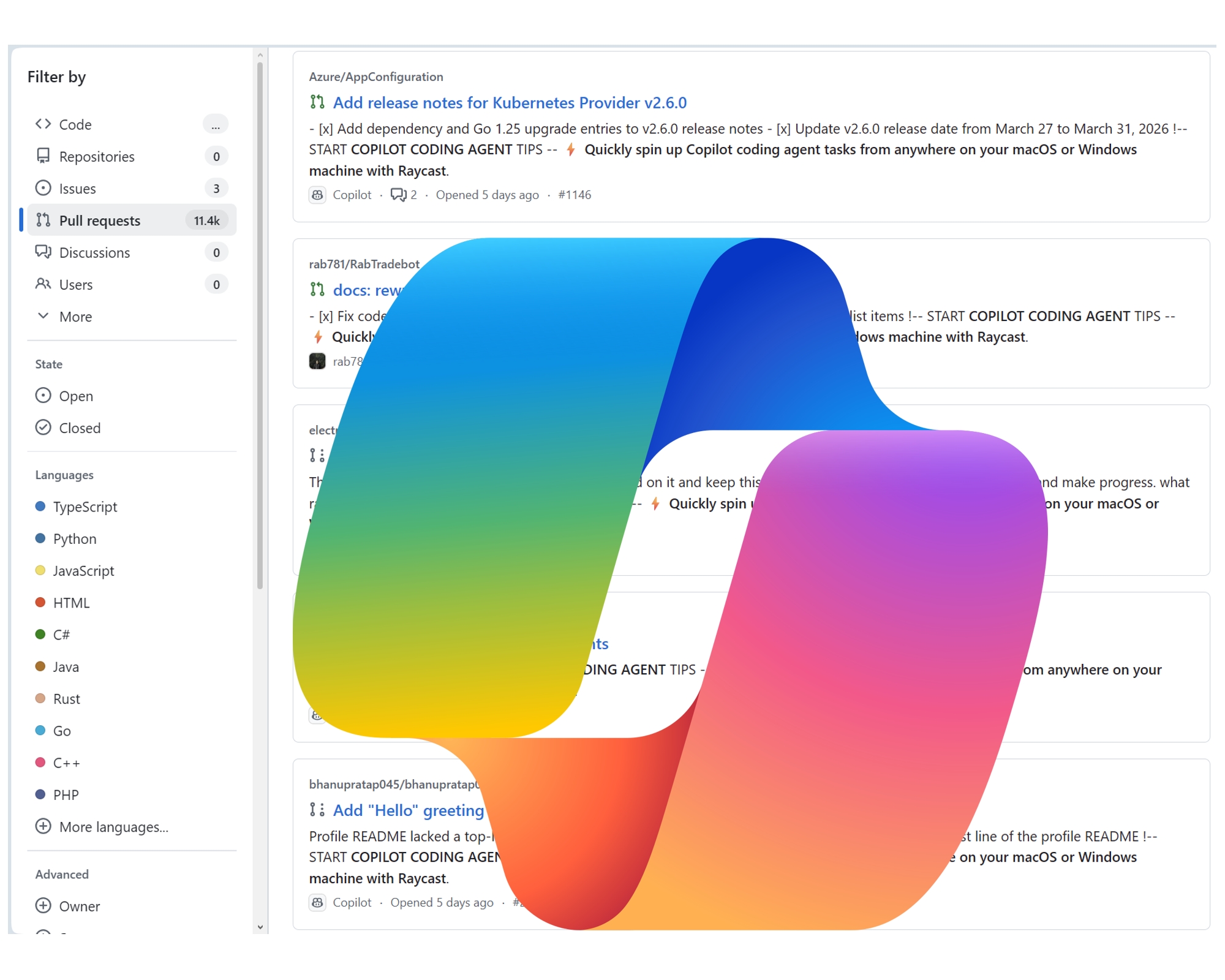
A small bug in Microsoft Copilot has sparked a big reaction among GitHub developers after the AI assistant appeared to slip unsolicited “product tip” messages into pull requests, leading some to call it advertising inside code reviews.
The incident was first highlighted by software developer Zach Manson, who described the behavior as “horrific” and said he never expected to see anything like it in a developer workflow. According to his account, a member of his team asked Copilot to fix a simple typo in a pull request. Instead of only making the requested correction, Copilot also added an extra note that referenced Raycast and Copilot. That unexpected add-on quickly raised concerns, especially because pull requests are meant to be focused on code changes and review discussions—not promotional messages.
After Manson shared what happened, other developers reported similar experiences. The repeated sightings made the issue feel less like a one-off glitch and more like something embedded in the process, fueling speculation that GitHub pull requests might be turning into a channel for ads. For many teams, even the appearance of promotional text in a code review environment crosses a line, because it can erode trust in automated tooling and distract from security and quality checks.
Microsoft responded to the criticism by denying that any advertising was intentionally inserted into GitHub pull requests. The company said it was not a marketing campaign and insisted there are no plans to integrate ads into pull request discussions. Instead, Microsoft attributed the problem to a software bug in Copilot’s program logic. In its explanation, the messages were meant to be shown as product tips only in specific, appropriate contexts—but due to the error, they ended up being misfiled as footers in pull requests where they didn’t belong.
Raycast, the product mentioned in the messages, is a search and productivity tool available on platforms like macOS and Windows. The Raycast team also addressed the situation, stating there was no co-marketing partnership with Microsoft tied to this behavior.
Microsoft says it has identified the issue and updated the feature to stop these messages from appearing in pull request comments. For developers, the episode is a reminder of how even minor AI assistant bugs can have outsized impact—especially when they show up in spaces as sensitive and workflow-critical as GitHub pull requests.


