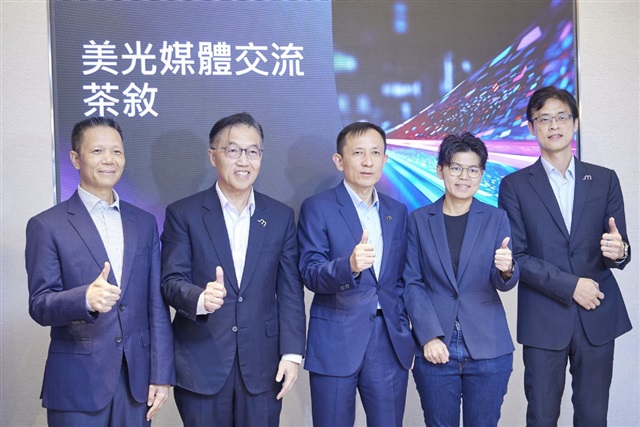
Micron is ramping up global chip capacity as AI fuels soaring demand for memory
The rapid rise of artificial intelligence is reshaping the global semiconductor industry, and memory chips are becoming one of the most critical pieces of the AI infrastructure boom. As demand for high-performance DRAM continues to climb, Micron is moving quickly to expand its manufacturing footprint across several major regions, including Taiwan, the United States, Japan, Singapore, and India.
The company’s latest push reflects the growing need for advanced memory solutions used in AI servers, data centers, high-performance computing systems, and next-generation devices. As AI workloads become larger and more complex, the need for faster, denser, and more efficient memory continues to accelerate. This trend is placing companies like Micron at the center of a massive global supply chain expansion.
Donghui Lu, vice president of Micron’s DRAM Asia frontend operations and head of Micron Taiwan, said the company expects construction-related capital spending to be enormous over the next few years. According to Lu, Micron’s investment scale will place it among the world’s largest construction investors as it builds and upgrades facilities to meet future memory demand.
A key part of this strategy is collaboration. Lu emphasized the word “together” when describing Micron’s relationship with Taiwanese equipment and materials suppliers. The company aims to work closely with these partners as it expands into overseas markets, creating opportunities for Taiwan’s semiconductor supply chain to grow alongside Micron’s global manufacturing plans.
Taiwan remains an important hub for advanced chip production, with a strong network of suppliers specializing in semiconductor equipment, materials, engineering, and manufacturing support. By bringing trusted Taiwanese partners into international projects, Micron can strengthen its global operations while helping suppliers gain a broader presence in key markets.
Micron’s expansion comes at a time when countries are competing to build more resilient semiconductor supply chains. The United States, Japan, India, and Singapore have all been working to attract chip investment as demand for AI hardware continues to rise. For Micron, spreading production across multiple regions may help improve supply stability, reduce geographic risk, and support customers that require reliable access to advanced memory products.
The AI boom has changed the outlook for the memory industry. While traditional consumer electronics demand can fluctuate, AI infrastructure requires large volumes of high-bandwidth and high-capacity memory. Data centers running AI models depend on powerful memory technologies to move and process massive amounts of information efficiently.
As a result, Micron’s aggressive investment plans signal confidence in long-term demand for DRAM and other advanced memory products. The company’s focus on worldwide capacity expansion also shows how important memory has become to the future of computing.
With major construction projects planned across several regions and a strong emphasis on supplier partnerships, Micron is positioning itself to play a larger role in the AI hardware supply chain. For Taiwanese suppliers, the company’s global expansion could open the door to new international opportunities as the semiconductor industry enters its next phase of growth.