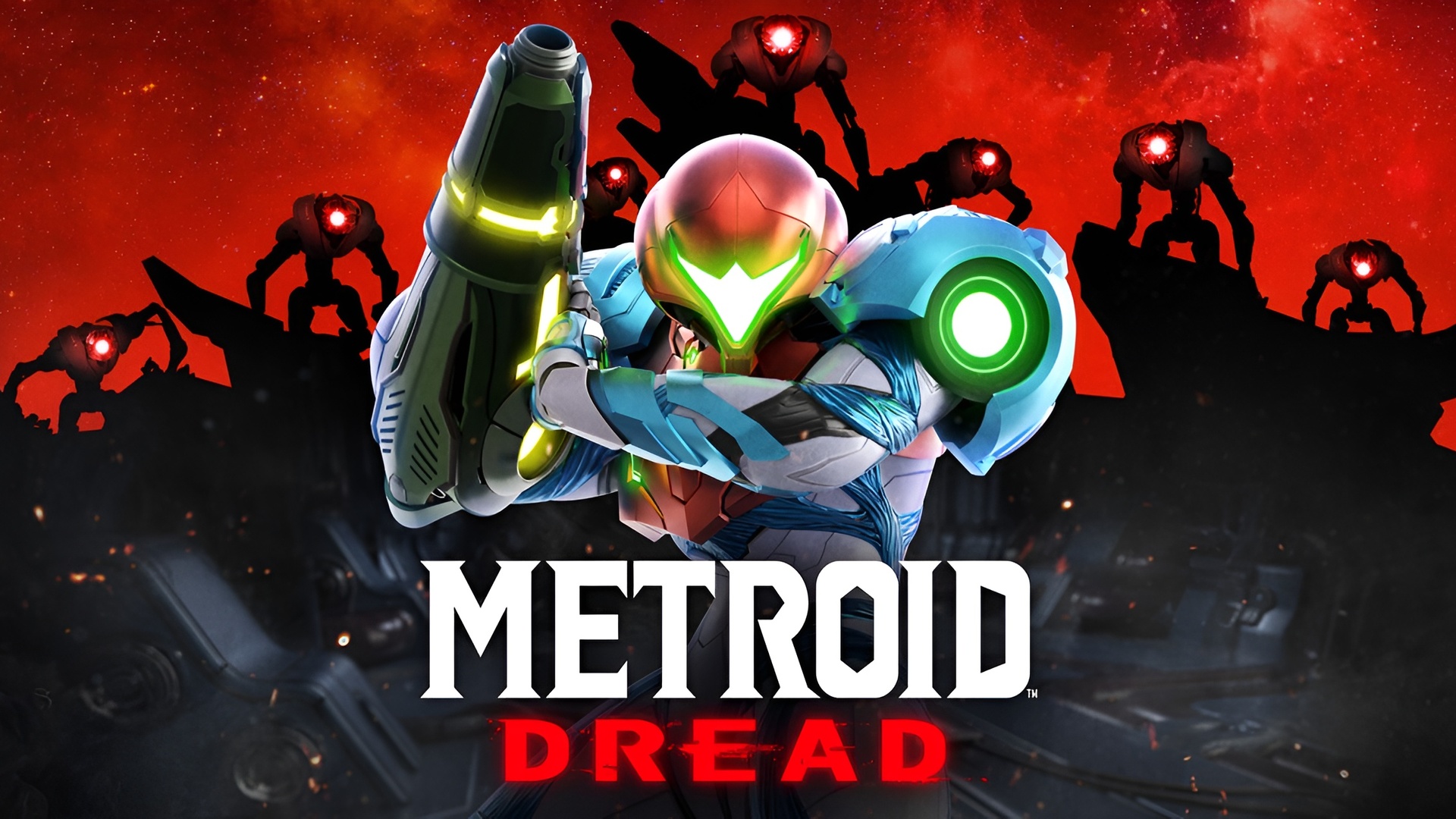
Metroid Dread Gets an Unofficial PC Port With Higher FPS, Widescreen Support, and Vulkan/OpenGL Options
Metroid Dread, one of the most acclaimed Nintendo Switch exclusives, has received an unofficial PC port through a recompilation project. The fan-made project brings the fast-paced sci-fi action game to PC with several modern enhancements, including higher frame rates, improved resolution options, widescreen support, and more flexible control settings.
The port is not an official Nintendo release, so players need to provide their own legally obtained game files updated to version 2.1.0. Because it is still a work-in-progress project, users may also run into crashes, glitches, or compatibility issues depending on their hardware and settings.
One of the biggest attractions of this unofficial Metroid Dread PC port is its performance-focused feature set. Players can raise the frame rate beyond the original console experience, with FPS options ranging from 60 FPS up to 240 FPS. The port also supports higher resolutions and wider aspect ratios, including 16:10 and 21:9, making it better suited for modern gaming monitors and ultrawide displays.
The project currently supports both OpenGL and Vulkan rendering. OpenGL is described as the preferred option for now, as it appears to offer the most reliable experience in the current build. Anisotropic filtering is also included, helping textures appear sharper and cleaner, especially at higher resolutions.
Cutscenes and loading screens have also received improvements, now running at a stable 60 FPS. Players can adjust screen size, volume, and frame rate while playing, which makes the experience more convenient and customizable. The port also includes broad controller support, giving PC players more freedom to use their preferred input method.
Recent updates have added several quality-of-life features. These include an auto-updater, image sharpening, a built-in FPS counter, automatic graphics configuration, and the ability to skip gameplay cutscenes. The port can also be added as a non-Steam game, making it easier to launch from a familiar PC gaming library. Another notable addition is free mouse aiming, which gives the game a different feel for players who prefer keyboard and mouse controls.
Several technical fixes have been introduced as well. The developer has addressed lighting errors, stuttering during 30 FPS cutscenes, and issues related to the game’s built-in reverb effect. These changes help make the PC version feel smoother and more polished, even though the project is still unofficial and not guaranteed to be fully stable.
The port is designed to be lightweight and accessible. Total memory usage is said to be around 3.7 GB, including runtime, code, and graphics driver usage. The recommended RAM requirement is 8 GB, though the developer says it may run on systems with 4 GB of RAM, with longer loading times expected.
GPU requirements are also relatively modest. Any graphics processor that supports OpenGL 4.3 should be capable of running the port. According to the project details, Intel Iris Xe integrated graphics can reach 60 FPS most of the time at 1x resolution, making the port potentially playable even on some laptops and compact PCs without dedicated graphics cards.
Despite the impressive progress, players should remember that this is not a finished commercial PC release. The developer has made it clear that bugs, crashes, and visual issues may still occur. Users who experience problems are encouraged to report them through the project’s issue tracker so future updates can improve stability and compatibility.
For fans of Metroid Dread, this unofficial PC port offers an interesting look at how the game can perform with enhanced frame rates, widescreen support, and PC-focused features. While it is not an official version and requires users to supply their own game files, it may appeal to players who want to experience Samus Aran’s intense adventure with smoother performance and more display options.


