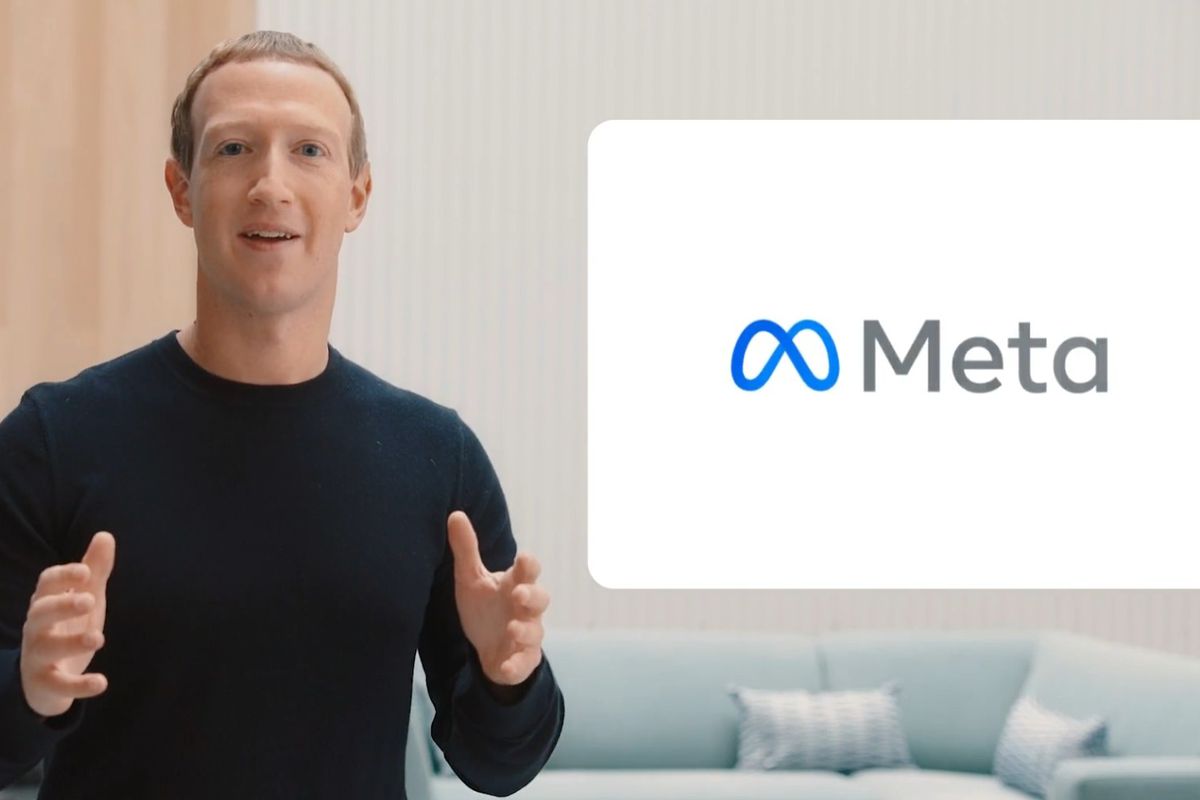
In recent months, Meta has found itself under the microscope as regulatory bodies scrutinize its competitive practices, particularly concerning how it maintains its stronghold in the social media landscape. The Federal Trade Commission (FTC) has taken an active role, initiating an antitrust trial that has already seen a week of proceedings. As a result, previously confidential communications, including internal emails and documents from 2022, have been made public. These revelations have highlighted the anxiety among Meta’s executives about Facebook’s waning allure, especially among younger demographics.
A deep dive into these internal exchanges reveals Meta’s uphill battle to keep Facebook relevant in a rapidly evolving digital environment. Once the unrivaled social media superstar, Facebook’s unique model is now overshadowed by new platforms that capitalize on content from creators and influencers. As the industry shifts, so too have user preferences, moving away from updates shared by personal friends toward dynamic content from a broader network of personalities. This shift was clearly on Mark Zuckerberg’s mind, as 2022 communications exposed during the trial disclosed his concerns over Facebook’s “Friends” model becoming hopelessly outdated.
The collision of Facebook’s classic framework with modern demands sparks a crucial examination of its future trajectory. In stark contrast to platforms like TikTok that emphasize creator-driven content, Facebook’s foundational setup seems increasingly obsolete. Even as the calendar turns to 2025, Meta is wrestling with the same core issue: how to rekindle Facebook’s cultural significance. During an earnings call earlier this year, the company emphasized its mission to restore Facebook to its former glory, what some internally term a return to the “OG Facebook.”
To tackle this challenge, Meta has recently overhauled the Friends tab, endeavoring to rekindle personal connections and enhance user engagement with close acquaintances. Zuckerberg has even suggested a radical departure from the longstanding Friends model, proposing that users might benefit from a reset, excising existing connections to establish fresh ties. These ongoing efforts underscore Meta’s commitment to remaining competitive and influential amid the ever-shifting tide of digital culture.
As Meta navigates this complex landscape, the world watches to see if its strategic pivots can indeed reignite Facebook’s spark, ensuring it doesn’t just keep up with, but leads, the social media wave of the future.