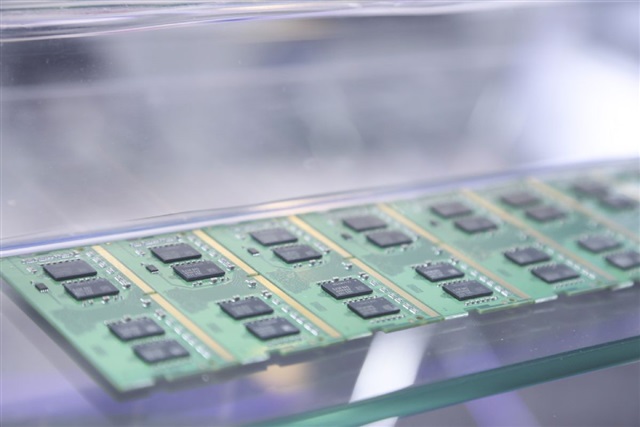
Memory Shortages Deepen as DRAM Prices Rise Across Global Electronics Markets
The global memory market is entering a more difficult phase as supply constraints tighten and contract prices continue to climb. DRAM lead times are stretching across the supply chain, creating fresh pressure for companies that build servers, PCs, smartphones, and other connected devices.
Suppliers are showing little willingness to lower prices, especially as available inventory becomes harder to secure. This is pushing buyers to plan further ahead, lock in supply earlier, and prepare for higher component costs in the months ahead.
The impact could be felt across several major technology sectors. Server manufacturers are likely to face some of the strongest pressure, as demand for data center hardware and AI infrastructure continues to support high memory consumption. PCs and mobile devices may also see rising production costs, even though consumer demand remains mixed in many regions.
For electronics brands, the challenge is balancing uncertain sales trends with the need to secure enough memory for upcoming product launches. If DRAM availability remains tight, manufacturers may have fewer options when negotiating contracts, giving suppliers more control over pricing.
Rising memory prices can also influence the broader consumer electronics market. While companies may absorb some of the added cost, prolonged price increases could eventually affect retail pricing for laptops, desktops, smartphones, tablets, and enterprise hardware.
The situation highlights how sensitive the electronics industry remains to shifts in semiconductor supply. Even when demand is not equally strong across all product categories, limited memory availability can quickly create cost pressure throughout the market.
As the second half of the year progresses, buyers will be watching DRAM supply, contract pricing, and delivery schedules closely. If shortages continue to deepen, the memory market could remain one of the key factors shaping global electronics pricing and production planning.