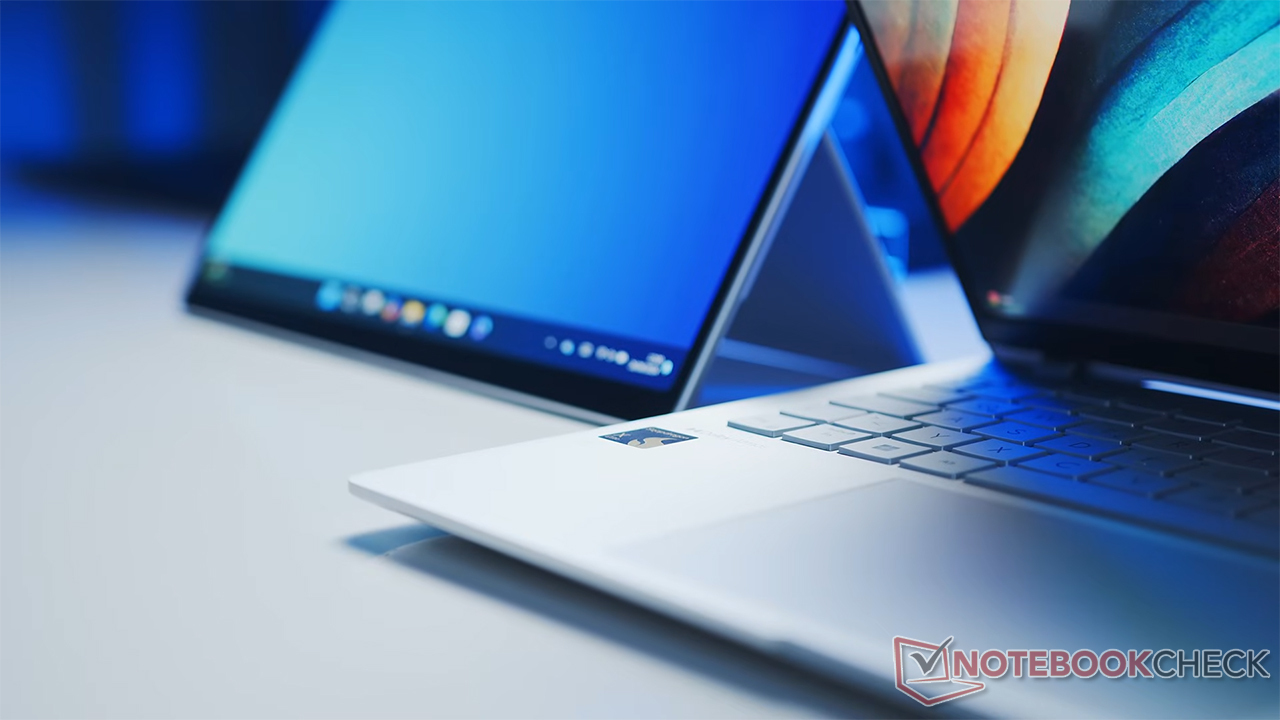
The ever-evolving market of ARM-based PC processors is about to get a new entrant. Initially catalyzed by Qualcomm with its Snapdragon X series processors, this realm is preparing for a stir with the rumored collaboration between MediaTek and Nvidia. This partnership intends to produce an AI-powered ARM PC processor that is anticipated to make its debut in early 2025.
Insights into this collaboration started surfacing when industry analyst Dan Nystedt highlighted Nvidia’s collaboration with MediaTek on an ARM AI PC processor. This processor is meant to be a competitor to the Snapdragon X Elite CPUs. Adding credence to these insights, recent reports from Chinese media sources have pinpointed the expected launch time frame for the new chip – the first half of 2025.
Following the timeline, the MediaTek and Nvidia chip is set to advance into its verification stage in the last quarter of 2024. This follows the initial steps of finalizing its design by the third quarter of the same year, aligning with Nystedt’s earlier revelations.
Despite the anticipation for an announcement at Computex 2024, there has been no official disclosure from either MediaTek or Nvidia regarding this partnership. This silence leaves much to speculation regarding how this new processor will stack up against the established Snapdragon X Elite processors in both performance and market positioning.
Nevertheless, some predictions are being made based on past reports. Notable among these is the rumored decision to manufacture the AI ARM processor using TSMC’s advanced 3nm process technology. Should Nvidia’s expertise come into play, the resulting integrated graphics processing unit (iGPU) could potentially reshape market dynamics, particularly with AMD’s RDNA 3.5 integrated graphics currently taking the lead.
From the industry perspective, there are high expectations that the MediaTek-Nvidia ARM PC chip would bring forth a blend of high performance and low power consumption. Additionally, this processor is projected to come at a more affordable price point compared to current market offerings.
Such a strategic entry could significantly impact the existing ARM processor ecosystem, providing users with more choices and possibly enhanced experiences, be it for general computing or more intensive tasks like gaming or content creation. With its competitive price, it could even lower the entry barrier for high-performance computing in portable devices.
Developments in the semiconductor industry, especially those involving significant players such as MediaTek and Nvidia, are pivotal in driving forward innovation and competition. Users anticipate these advancements, hoping they translate into benefits like reduced costs, improved performance, and longevity in their computing devices. As the ARM PC processor space heats up, all eyes will be on 2025 for the next big leap forward.