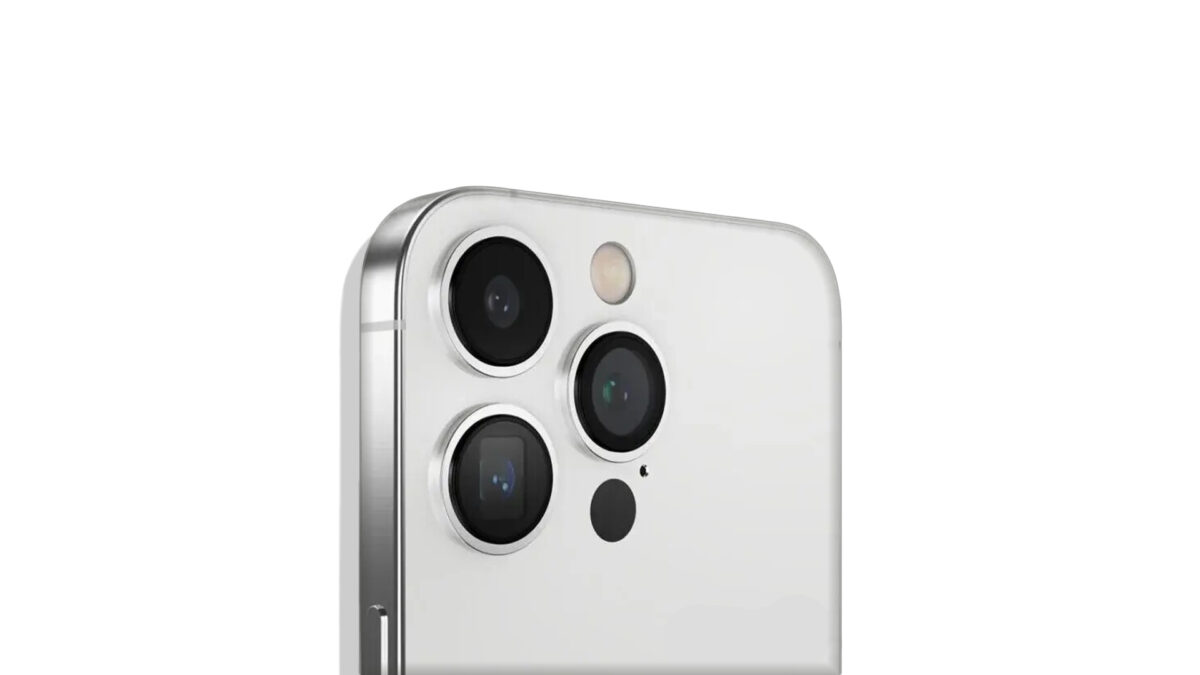
The tech industry was recently rocked by an elaborate scam that cost Apple over $12 million. In a scheme spanning nearly ten years, a group reportedly swapped over 16,000 counterfeit Apple devices for genuine ones at various Apple Stores, and then resold the real devices at a premium.
This criminal endeavor began around 2014, with the perpetrators executing a simple yet effective plan: they brought in fake iPhones and various Apple products, claimed they were malfunctioning, and requested replacements. Unaware Apple Store employees would accept the counterfeit items and hand over authentic Apple products, which were then sold for profit.
These counterfeit Apple products weren’t just convincing replicas; they were equipped with stolen identification numbers, making it nearly impossible for store staff to identify them as frauds. The serial and IMEI numbers taken from legitimate devices gave the fake items an appearance of authenticity, compromising Apple’s process for identifying and processing returns.
Apple’s loss from this sophisticated scam has been calculated at roughly $12.3 million, and this number might be higher as further details are investigated. Notably, the replacement scam was not confined to the iPhone alone but extended to the Apple Watch, iPads, and more, showcasing a diverse targeting of Apple’s product lineup.
The charged individuals seemingly left no stone unturned in covering their tracks. To avoid detection, they spread their fraudulent returns across numerous Apple Store locations throughout California. Furthermore, they used false identification information, including aliases and fake addresses, further complicating the tracing of their activities.
Looking ahead, the defendants now face legal action that could lead to substantial time behind bars. As this case unfolds, it prompts a looming question about the security measures and return policies of major tech companies. It casts light on the need for heightened vigilance and possibly more advanced verification methods to prevent future losses from similar scams.
Consumers and tech enthusiasts alike are watching closely, speculating on preventive measures Apple could take to deter the return of counterfeit products. Modifications to the return process, enhanced training for staff, and advanced authentication technology could be potential steps to protect against fraudulent activities.
As we await further updates on this case, the broader tech community is reminded of the challenges companies like Apple face in maintaining the integrity of their services and products. The impact on customers whose legitimate identification numbers were stolen also raises concerns over warranty coverage and the trustworthiness of aftercare services. It’s a stark reminder that as our technology becomes more advanced, so too do the methods of those looking to exploit it for gain.