Apple Stands Out as Global PC Shipments Face an 11.3% Drop in 2026
The global PC market is heading into a difficult year, with shipments expected to decline by 11.3% in 2026. The main pressure comes from a widening memory supply crunch that is disrupting production, raising component costs, and creating uncertainty for computer makers around the world.
Industry forecasts suggest that the shortage may not fully ease until the end of 2027, meaning PC brands could face nearly two years of tight supply conditions. For many manufacturers, this could lead to higher prices, slower product refreshes, and reduced shipment volumes as demand becomes harder to predict.
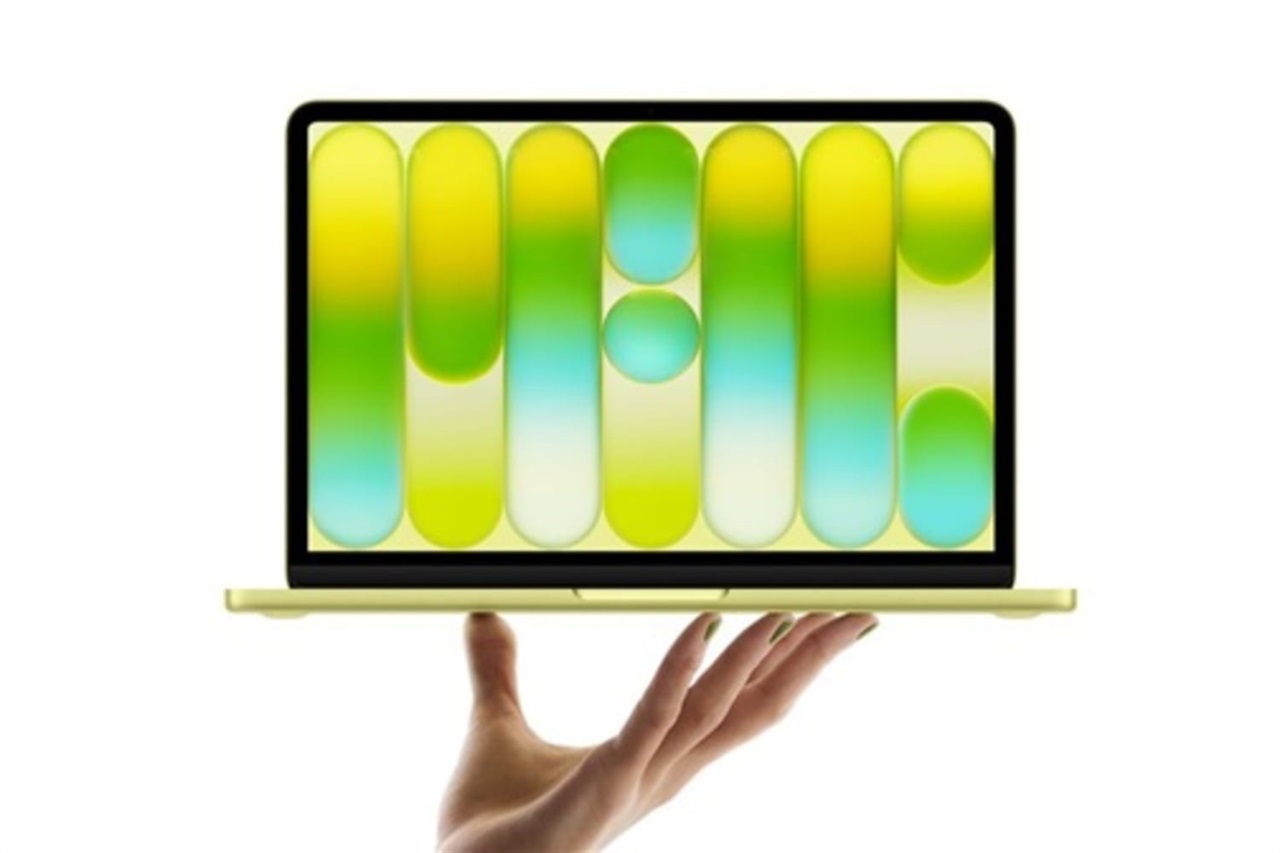
Despite the challenging outlook, Apple appears to be the standout performer in the weakening PC market. While most major computer brands are expected to feel the impact of the memory shortage, Apple’s MacBook lineup continues to attract strong interest, helping the company hold a brighter position in an otherwise difficult environment.
One reason Apple is better positioned is its strength in the premium laptop segment. MacBooks remain popular among students, professionals, creators, and business users who prioritize performance, battery life, build quality, and long-term software support. This loyal customer base gives Apple an advantage at a time when other PC makers may struggle to convince buyers to upgrade.
The reported momentum around Apple’s MacBook Neo also adds to the company’s positive outlook. If Apple continues to deliver appealing hardware upgrades and strong efficiency gains, it could maintain demand even as the broader PC industry slows. In a market where consumers are becoming more selective, devices with clear value and long-term usability are likely to perform better.
The memory crunch is especially important because modern PCs rely heavily on DRAM and storage components. When supply becomes limited, manufacturers must either absorb higher costs or pass them on to customers. This can make budget and mid-range PCs less attractive, especially in regions where buyers are more price-sensitive.
For Windows PC manufacturers, the expected shipment decline could create a tough balancing act. They may need to manage inventory more carefully, delay some product launches, or reduce production targets. Businesses and consumers could also delay purchases if prices rise or if the next generation of devices becomes harder to find.
Apple, however, benefits from a tightly controlled hardware and software ecosystem. Its ability to optimize macOS for its own chips gives MacBooks a strong performance-per-watt advantage, which remains a major selling point. This can help Apple keep buyers engaged even during periods of market pressure.
The 11.3% drop forecast highlights how serious the situation has become for the global PC industry. After years of fluctuating demand following the remote work and online learning boom, the market is now facing a supply-side challenge that could reshape competition through 2027.
Still, the downturn may create opportunities for companies with strong branding, dependable supply chains, and products that stand out. Apple seems to fit that profile better than most, making it one of the few bright spots in a PC market facing a prolonged memory crunch.
If the shortage continues as expected, 2026 could become a defining year for the computer industry. Most PC makers may focus on protecting margins and managing limited supply, while Apple could use its MacBook strength to expand its influence in the premium laptop market.


