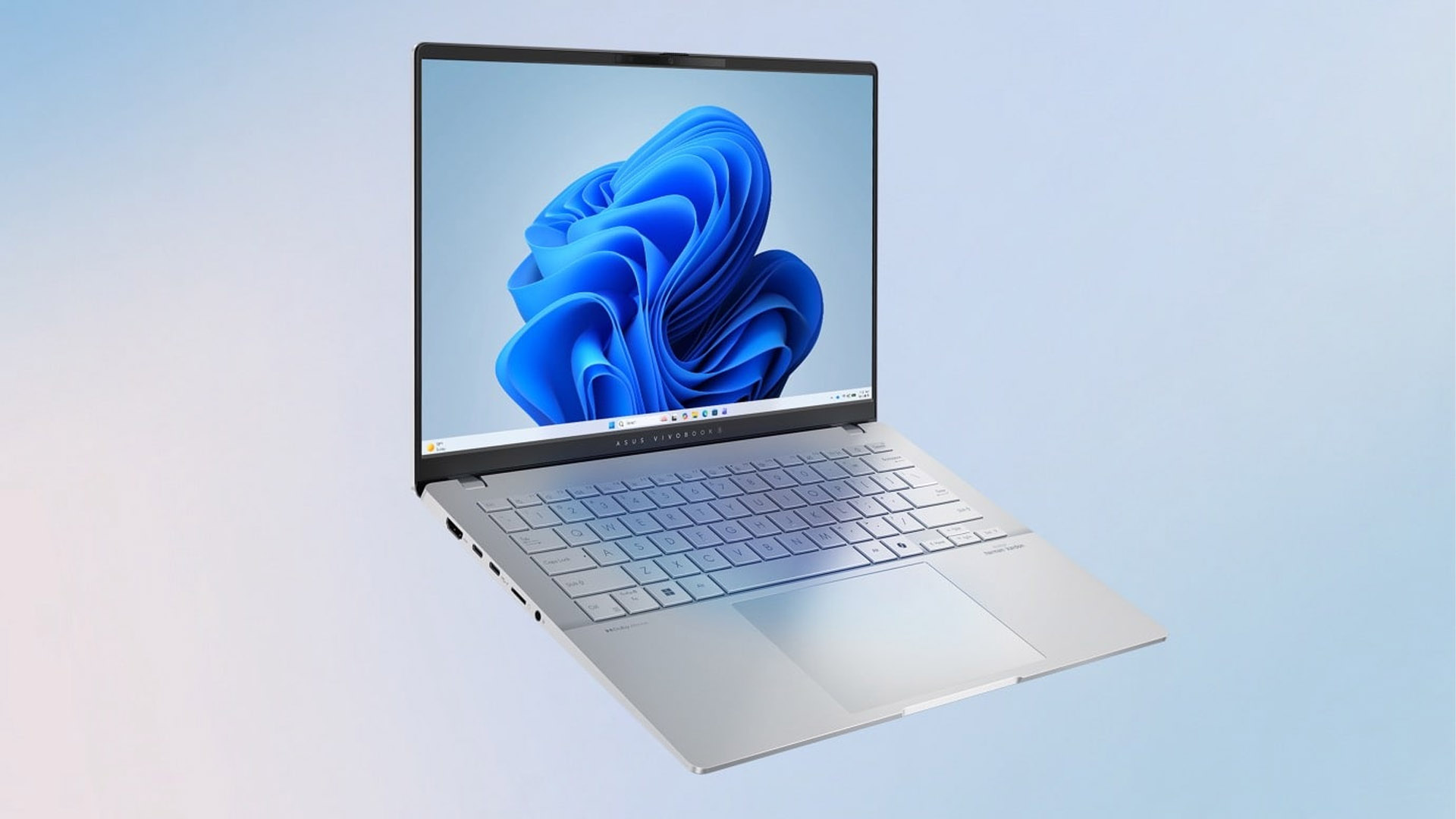
Microsoft is under growing pressure to make Windows 11 run better on laptops with 8GB of RAM, and the reason may go beyond the ongoing DRAM shortage. According to industry analysis, Apple’s MacBook Neo has become a major wake-up call for the Windows PC ecosystem, proving that an affordable laptop with 8GB of memory can still feel fast, responsive, and capable when the software is properly optimized.
For years, 8GB of RAM has been treated as the basic entry point for mainstream laptops. However, many Windows 11 users have complained that modern systems with this amount of memory can feel sluggish, especially when multitasking, browsing with several tabs open, or running background services. With memory prices under pressure and AI companies consuming large amounts of RAM supply, the situation has become even more complicated for PC makers.
But the MacBook Neo appears to have changed the conversation.
Despite a price increase, Apple’s value-focused laptop has remained attractive to buyers. Its base model has been seen selling through major online retailers for around $688.49, making it competitive against similarly priced Windows 11 laptops. The difference is that Apple’s machine is being praised for making better use of its 8GB unified memory, while many Windows laptops with the same RAM capacity can struggle under lighter workloads.
IDC Research Manager Jitesh Ubrani believes the MacBook Neo is putting pressure not only on Microsoft, but on the wider PC industry. In his view, vendors are likely to respond with a mix of improved processors, more aggressive pricing, and a more efficient version of Windows from Microsoft.
That last point is especially important. If Microsoft can reduce how much memory Windows 11 uses in the background, budget and mid-range laptops could become much more appealing to everyday users. A smoother Windows 11 experience on 8GB RAM systems would help students, office workers, and casual users who do not want to pay extra for 16GB models.
The MacBook Neo’s performance has surprised many early critics. When it launched with only 8GB of unified RAM, skeptics questioned whether it could handle real-world workloads. However, testing has shown that Apple’s memory management is one of its biggest strengths. In one test, the MacBook Neo reportedly managed to keep 60 apps open at the same time, showing how efficiently macOS and Apple’s hardware work together.
That comparison becomes more striking when placed next to a Windows competitor. Dell’s XPS 13 with 8GB of RAM was said to be using about 70 percent of its available memory before even opening a program or browser window. That highlights the challenge Microsoft faces: Windows 11 needs to become leaner if 8GB laptops are going to remain practical for mainstream buyers.
The issue is not just about technical performance. It is also about perception. Consumers shopping for an affordable laptop often compare price, battery life, speed, design, and long-term usability. If a MacBook with 8GB RAM feels smoother than a Windows 11 laptop with the same memory, buyers may begin to question why they should choose a Windows machine at all.
This is where Microsoft’s optimization work could make a major difference. Better RAM efficiency would allow Windows 11 laptops to boot faster, switch between apps more smoothly, and handle everyday multitasking without constant slowdowns. It could also reduce the need for manufacturers to increase hardware costs just to deliver acceptable performance.
The PC industry is already moving toward new chips and more efficient architectures, but software remains a crucial part of the experience. Faster processors can help, but if the operating system consumes too many resources before users even begin working, the benefit of better hardware is reduced.
Microsoft now has a clear incentive to improve Windows 11 memory management. Competition from Apple, rising component costs, and consumer demand for affordable laptops are all pushing the company in the same direction. If Microsoft follows through, 8GB Windows 11 laptops could become far more usable and competitive.
For buyers, this could be a win. A more efficient Windows 11 would mean better performance from lower-cost machines, longer usable lifespans, and less pressure to spend extra on higher-memory configurations. In a market where value matters more than ever, making Windows 11 smoother on 8GB RAM systems may be one of Microsoft’s most important priorities.