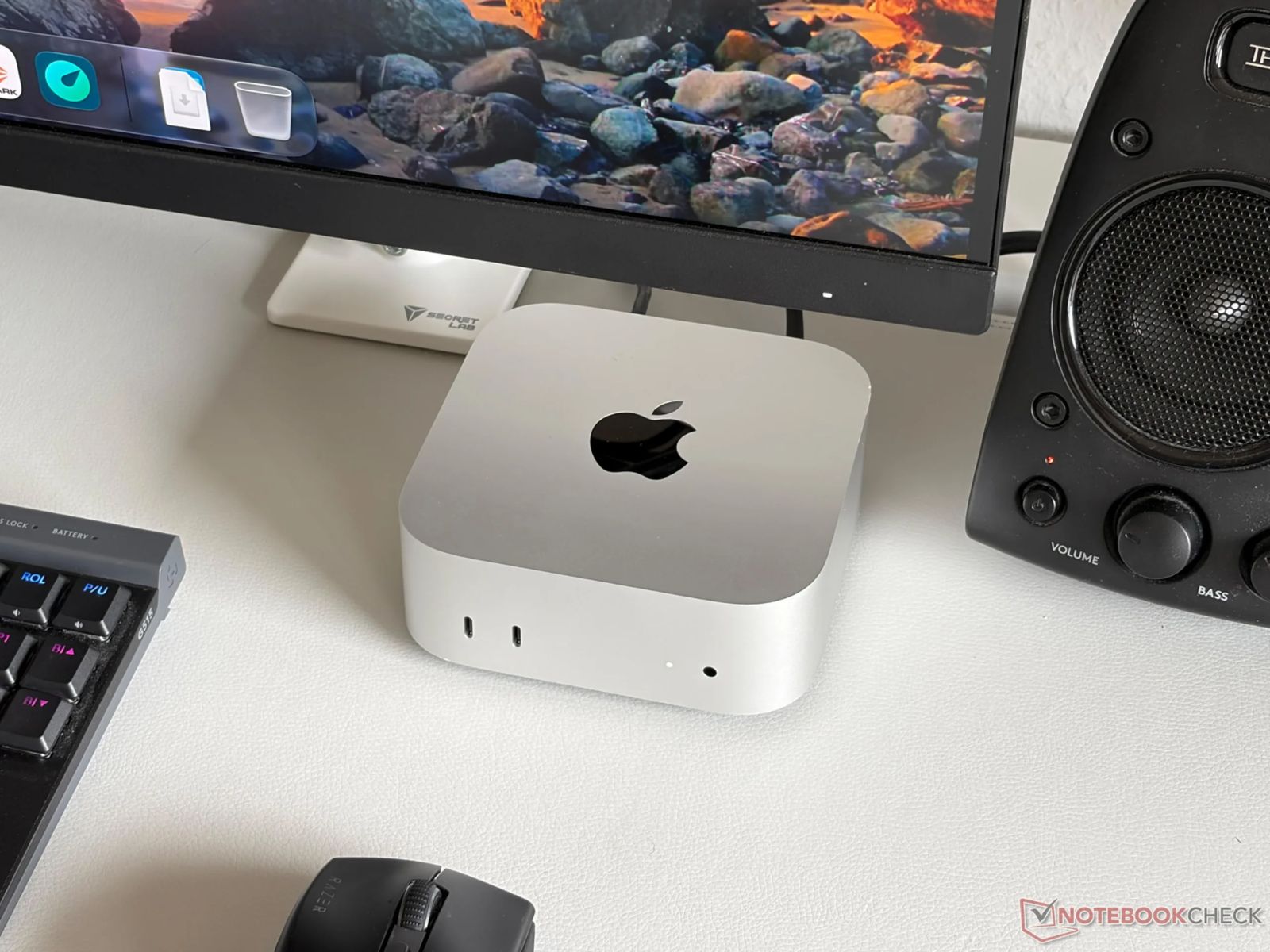
M6 Mac Mini Gaming Test Shows Apple Silicon Is Becoming More Capable for Windows Games
The entry-level M6 Mac mini is starting to look much more interesting for gamers than many people might expect. While Macs still are not known as traditional gaming machines, recent testing suggests that Apple Silicon has made major progress, especially when running Windows games through CrossOver.
One of the standout examples is Path of Exile 2. The game was tested using CrossOver with the low graphics preset and upscaling from 960p. Performance was surprisingly strong, with frame rates usually landing between 80 and 110 FPS. There were some occasional dips to around 65 FPS, but these appeared to happen during shader compilation.
That means the stutters were most noticeable when certain spells, abilities, or enemy effects appeared for the first time. Once those shaders were cached, the gameplay became smoother and the interruptions were less frequent. This is still not the same as a fully native Mac version, but it is a promising sign for players who want to use a compact Apple desktop for more than everyday productivity.
The test did not stop with Path of Exile 2. Other demanding games were also included, such as Counter-Strike 2, Red Dead Redemption 2, Marvel Rivals, Black Myth: Wukong, and Ratchet & Clank: Rift Apart. Together, these titles give a much broader look at how the M6 Mac mini handles modern PC gaming workloads through a translation layer.
The biggest takeaway is that Windows gaming on Apple Silicon has improved significantly. Several demanding titles are no longer just launching for the sake of testing; they are actually playable on an entry-level M6 Mac mini. That is an important shift for Mac users who have often been left out of the wider PC gaming conversation.
However, the experience is not perfect. Limited memory, shader-related stutter, and occasional rendering issues still remind players that CrossOver is not a full replacement for native game support. Some games may run well, while others may require compromises in graphics settings, resolution, or performance expectations.
Even with those limitations, the M6 Mac mini is becoming a more realistic option for casual gaming. It may not replace a dedicated gaming PC or console, but it is far more capable than older assumptions about Mac gaming suggest. For users who already want a Mac for work, media, or everyday use, the ability to enjoy popular Windows games at playable frame rates makes the M6 Mac mini a much more versatile machine.


