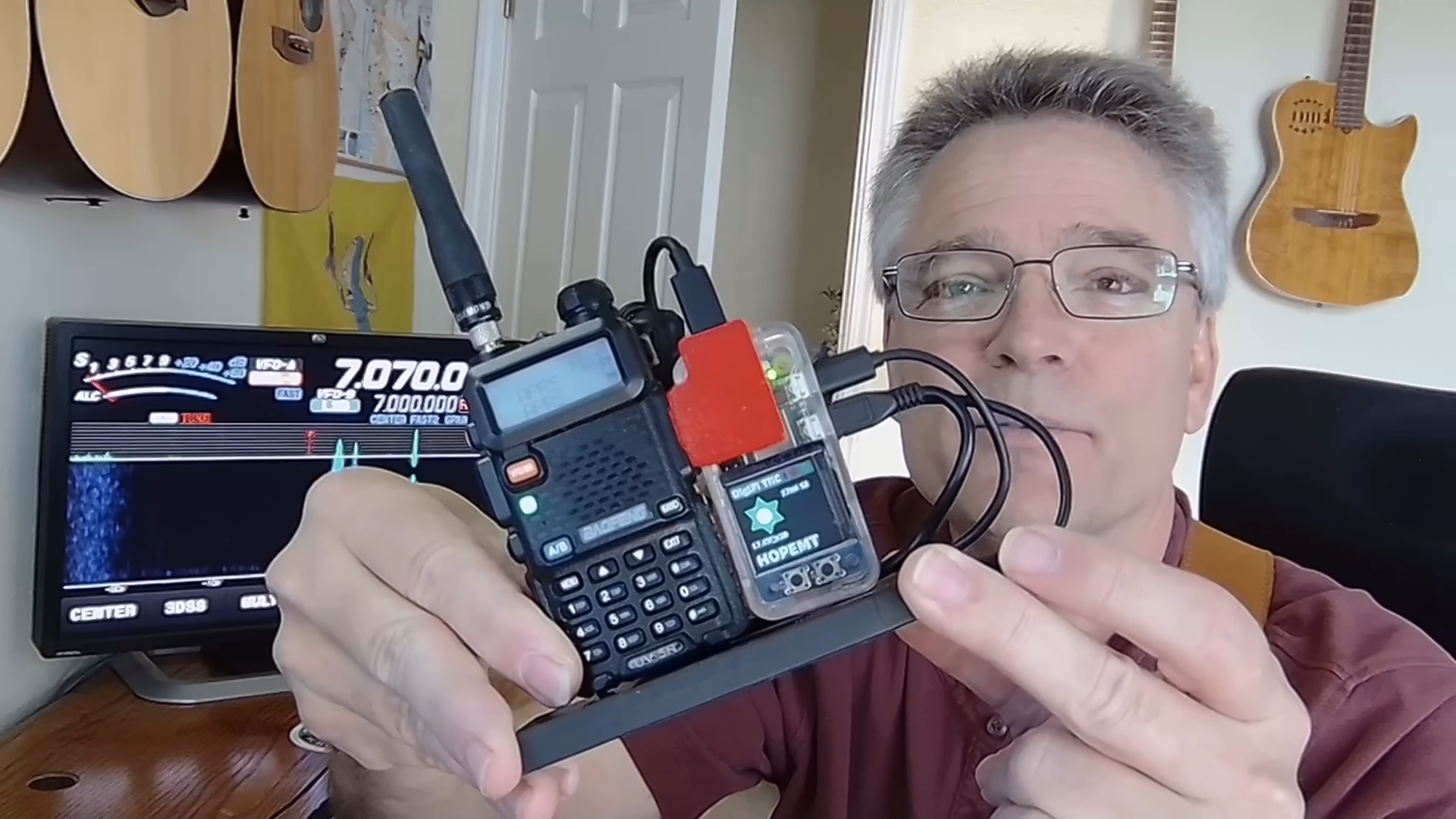
Build a long-range, off-grid messaging hotspot for around $60? That’s exactly what a recent budget-friendly project from KM6LYW Radio delivers. By pairing a popular handheld transceiver with a tiny single-board computer and a purpose-built software image, you get a portable RF data station with a simple web interface that can handle multiple digital modes. It’s not about raw power; it’s about versatility, portability, and an ultra-low barrier to entry.
The core of the build is the Baofeng UV-5R, a cult-favorite handheld known for its low price and hackable nature. Add a Raspberry Pi Zero 2 W, an AIOC (all-in-one ham radio interface cable), and a few inexpensive accessories, and you’ve got a compact hotspot that can send and receive a wide range of message types over radio frequencies. Everything runs through a self-hosted, browser-based dashboard, so you can operate it from a phone, tablet, or laptop without extra software.
What makes this project compelling is the DigiPi software image that powers the experience. DigiPi is preconfigured to handle popular amateur radio data modes and services, letting you experiment with digital communications using a familiar web interface. Supported protocols include:
– FT8 for weak-signal digital contacts
– JS8Call for keyboard-to-keyboard messaging over HF-like semantics
– APRS for position reports, short messages, telemetry, and more
With APRS enabled, you can set up IGate and node services, pass short emails or SMS-style texts through available gateways, and participate in packet-based networking. The result is a capable mobile data station suited to field use, emergency communications training, or everyday tinkering.
Typical parts list for the budget build:
– Baofeng UV-5R handheld transceiver
– Raspberry Pi Zero 2 W
– AIOC ham radio interface cable compatible with the radio
– USB battery pack and USB cables
– Ferrite beads to reduce RF noise and audio interference
– microSD card for the DigiPi image
Why this setup stands out
– Affordable and accessible: Most components are widely available and inexpensive, keeping total cost roughly in the $60 range depending on what you already have on hand.
– Portable and self-contained: A small battery pack powers the entire system, and the Pi hosts its own Wi‑Fi and web UI, so no tethered computer is required.
– Flexible digital toolkit: Switch between FT8, JS8Call, APRS, and packet services from a simple dashboard, making it ideal for learning and experimentation.
– Great for off-grid messaging: Send and receive short messages without relying on cellular or traditional internet infrastructure, depending on propagation and network coverage.
What to expect in practice
– Range depends on antenna, terrain, band conditions, and local network participation. The goal here is functionality and learning, not high-power performance.
– Ferrite beads and tidy cable routing help cut down RF interference and audio noise, improving reliability.
– A better antenna upgrade can meaningfully extend useful range, even with modest transmit power.
Who it’s for
– New hams looking for a hands-on, low-cost gateway into digital modes
– Makers and hikers who want an ultralight, battery-powered field rig for messaging
– Preparedness enthusiasts exploring resilient, off-grid communication options
– Tinkerers who enjoy browser-based control and modular hardware
Important note on licensing and compliance
Always operate within your local regulations for amateur radio. Transmitting typically requires an appropriate license, adherence to approved frequencies and power levels, and good operating practices. Be mindful of band plans, identification requirements, and any local restrictions.
If you’re curious to try this yourself, look up KM6LYW Radio’s budget hotspot project and the DigiPi software image. With a handful of common parts and a bit of experimentation, you can build a compact RF data station that’s fun to use, easy to carry, and surprisingly capable for the price.