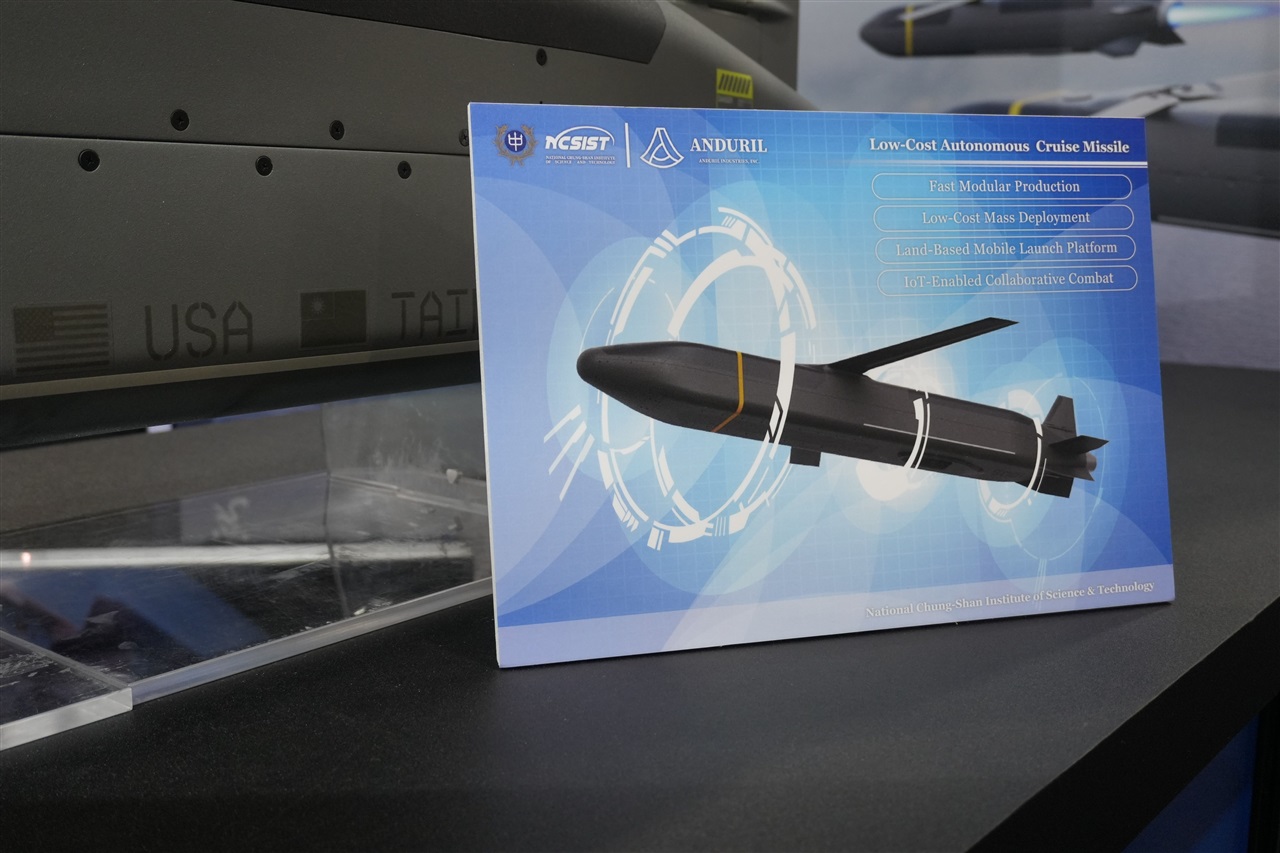
A new reality of modern warfare is on full display. At recent international defense showcases, including TADTE 2025 in Taipei and DSEI 2025 in London, the most talked-about equipment wasn’t just the sleek fighters or heavy armor—it was small, affordable, and often expendable. The clear message: low-cost drones, smart sensors, and counter-drone technologies are reshaping global defense priorities, rewriting the economics of the battlefield, and accelerating a shift toward agile, scalable, and software-driven capabilities.
Why low-cost drones are changing the playbook
The old cost curve is collapsing. For a fraction of the price of traditional systems, small unmanned aircraft can surveil, disrupt, and even destroy. When hundreds of dollars in gear can neutralize equipment worth millions, procurement strategies change. Nations aren’t just buying a handful of exquisite platforms anymore; they’re seeking mass, redundancy, and rapid replacement. The new keyword across booths and briefings: attritable. If a platform is cheap enough to risk and quick enough to replace, it’s valuable in today’s fight.
What stood out on the show floor
Across the exhibits, five themes dominated.
1) Attritable swarms and first-person-view systems
Compact quadcopters, fixed-wing minis, and FPV-style drones have gone from hobbyist tools to battlefield staples. They’re modular, field-adaptable, and increasingly standardized around commercial off-the-shelf components. Expect more:
– Plug-and-play payloads for reconnaissance, mapping, and precision effects
– Disposable loitering munitions with smarter target identification
– Maritime and ground variants for coastal defense and urban operations
2) AI at the edge
AI no longer lives solely in headquarters servers. Edge processing is enabling real-time object detection, route planning, and navigation in contested environments. Beyond autonomy, AI is driving:
– Faster sensor fusion across electro-optical, infrared, and radio frequency inputs
– Target recognition that reduces operator workload and speeds decision timelines
– Swarm behaviors designed for saturation and deception
3) The electromagnetic spectrum is a battlefield
Electronic warfare has moved into the mainstream. Exhibitors showcased systems that jam, spoof, locate, and harden communications. The defensive and offensive race is accelerating, pushing solutions like:
– Anti-jam, mesh-network communications for drones and ground teams
– RF detection fused with radar and acoustics for early warning
– Spectrum management tools to deconflict friendly systems in crowded airspace
4) Layered counter-UAS becomes non-negotiable
Every force expecting to operate near modern battlefields needs a counter-drone playbook. Buyers looked for layered defense that detects, identifies, and defeats a mix of hobbyist quadcopters, fixed-wing scouts, and loitering threats. The emerging stack includes:
– Multi-sensor detection (radar, RF, EO/IR, acoustic) with AI-assisted classification
– Non-kinetic defeat (jamming, spoofing) to neutralize without escalation
– Kinetic options for hard kills when required, plus directed-energy prototypes for rapid, low-cost shots
5) Speed of production is a capability
Rapid manufacturing and logistics are now strategic assets. Companies touted designs that can be built fast, repaired in the field, and refreshed via software. Expect emphasis on:
– 3D-printed airframes and swappable components
– Open architectures and common control software to reduce training time
– Localized production to mitigate supply-chain risk
Doctrine, training, and tactics are catching up
It’s not enough to buy drones by the pallet. Forces are rethinking tactics to integrate unmanned systems into every layer of operations. That includes:
– New training pipelines for drone pilots, EW teams, and counter-UAS operators
– Simulators and digital twins to rehearse swarm defense and urban operations
– Interoperability standards so joint and coalition forces can share data, controls, and airspace
Urban and littoral environments are driving design
The most contested spaces of the future are dense, dynamic, and close to critical infrastructure. That’s pushing demand for:
– Micro-UAVs that maneuver indoors and under canopy
– Silent propulsion and low-signature designs to evade detection
– Maritime drones that patrol harbors, straits, and oil terminals with persistent sensors
The balance between exquisite and expendable
None of this means high-end systems are obsolete. Long-range strike, stealth, and strategic ISR still matter—and they increasingly act as quarterbacks for swarms of smaller assets. The winning formula blends the two: use premium platforms for command, control, and deep sensing; unleash affordable, attritable systems for volume, risk absorption, and rapid effects.
What buyers are asking for in 2025
From conversations and demos across both shows, procurement leaders kept returning to four priorities:
– Affordability at scale: unit cost and sustainment matter as much as performance
– Survivability in contested environments: resilience against jamming and spoofing
– Interoperability: standard interfaces, common data links, and modular payloads
– Upgradability: software-first roadmaps with frequent, frictionless updates
Where this is heading next
Over the next 24 months, expect to see:
– Smarter autonomy with human-on-the-loop oversight to speed reaction times
– Wider deployment of robotic ground vehicles and maritime drones for perimeter security and logistics
– Greater use of synthetic training to refine counter-swarm tactics
– Directed-energy systems moving from prototypes toward limited operational use
– Policy catch-up on airspace management, export controls, and safety standards
Opportunities and challenges
The democratization of battlefield technology opens doors for cost-effective defense, but it also raises tough questions. Airspace safety, escalation control, and the ethical use of autonomy are front and center. Nations will need clear rules, strong safeguards, and robust strategies for avoiding unintended consequences—especially as civilian and military technologies continue to converge.
Key takeaways
– Low-cost drones and counter-drone systems are now central to defense planning, not peripheral.
– AI, electronic warfare, and layered air defenses are the critical enablers of modern operations.
– Speed of production, modularity, and software-defined capabilities are competitive advantages.
– The future force mixes high-end platforms with swarms of attritable systems for resilience and scale.
FAQ
What are attritable drones?
These are comparatively low-cost systems designed to be risked in high-threat environments. They emphasize affordability, quick replacement, and mission-focused payloads.
What is counter-UAS?
Counter-uncrewed aircraft system solutions detect, track, identify, and defeat hostile or unauthorized drones using a layered mix of sensors and mitigation tools.
Why is AI so important in modern drone operations?
AI accelerates decision-making by fusing sensors, recognizing targets, navigating in GPS-challenged areas, and coordinating multiple drones with minimal operator load.
How are militaries preparing for drone-heavy battlefields?
By building specialized units, investing in electronic warfare and counter-UAS, adopting common control software, and training with simulations that mirror real-world clutter and complexity.
Bottom line
The center of gravity in defense is shifting from a few exquisite assets to many smart, affordable ones. As low-cost drones redefine the economics and tempo of conflict, the countries that master scale, software, and spectrum dominance will shape the next chapter of modern warfare.


