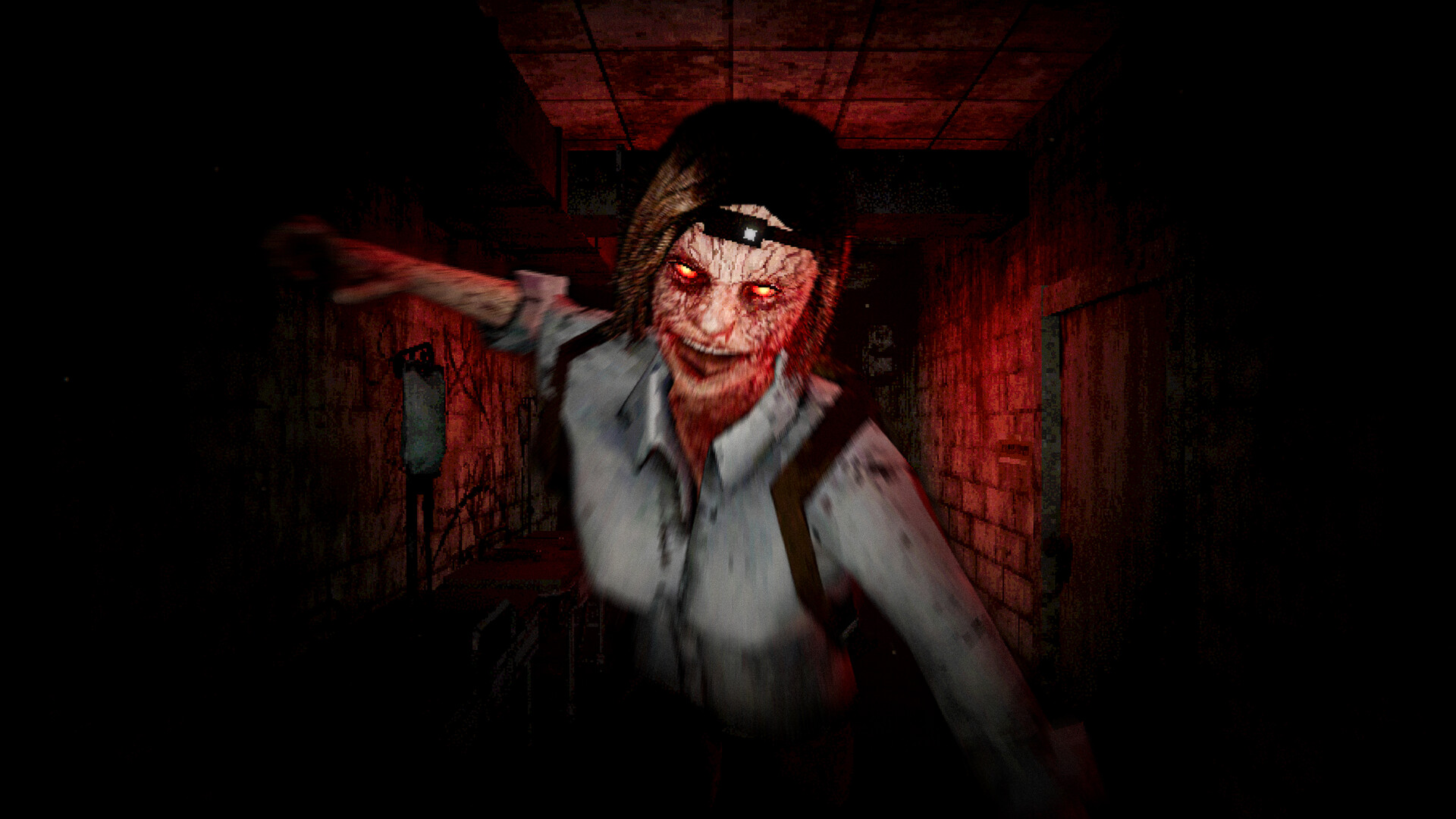
Living Hell is a new co-op indie horror game set to bring four-player survival terror to PC in 2026. Developed by Joe Fender, known for his work on Devour, the game drops players into the decaying nightmare of Pelican City, a twisted urban hellscape filled with grotesque mutations, shifting interiors, and danger that grows worse as the night wears on.
Built around cooperative horror gameplay, Living Hell lets up to four players work together as they explore six hand-crafted city districts, scavenge for supplies, and retrieve dangerous specimens before sunrise. The catch is that sunlight does not bring safety. Instead, the sun’s radiation can distort and mutate the specimens into horrifying new forms, forcing teams to move quickly, communicate clearly, and make every decision count.
The game blends modern co-op horror mechanics with a striking retro visual style inspired by the PlayStation 1 era. Its pixelated low-poly look gives Pelican City a grim and nostalgic atmosphere, while modern rendering techniques help deliver smooth performance and immersive lighting. The result is a creepy, stylized world that feels both old-school and fresh.
Living Hell is designed with replayability in mind. Each run features changing building interiors, meaning players cannot simply memorize every route or hiding spot. This unpredictability should keep tension high as squads navigate dark streets, abandoned structures, and monster-infested zones in search of objectives.
Players can choose from eight playable characters, each with unique passive abilities that may affect survival strategies. Whether your team needs better scouting, stronger support, faster movement, or improved resource management, character selection could play an important role in how each mission unfolds.
The horror comes from more than a dozen mutated creatures, each with its own behavior patterns. Some may stalk players from the shadows, while others could rush in aggressively or force the team to split up under pressure. Combined with proximity voice chat and lip-sync support, Living Hell aims to create chaotic and memorable co-op moments where panic, teamwork, and quick reactions decide who makes it out alive.
Classic survival horror fans can also expect crafting and inventory systems that encourage careful planning. Resources appear to be limited, so players will need to manage items wisely, craft useful tools, and decide when to fight, flee, or conserve supplies for a worse encounter ahead.
For online play, the game includes client prediction and lag-compensation systems intended to make combat feel responsive. It will also support full gamepad controls and Steam Deck play, making it accessible for players who prefer handheld or controller-based horror sessions.
Another notable feature is persistent save files across sessions, which suggests that progress may carry forward rather than resetting completely after every run. This could give Living Hell a stronger sense of progression while still preserving the tension of unpredictable co-op missions.
The game’s atmosphere will be supported by an original score from Phoenix Glendinning, adding another layer to the unsettling mood of Pelican City.
Living Hell is currently planned for release on Windows PC in 2026. With its blend of four-player co-op horror, retro-inspired visuals, survival mechanics, unpredictable environments, and mutated monsters, it is shaping up to be an indie horror game worth watching for fans of tense multiplayer scares.


