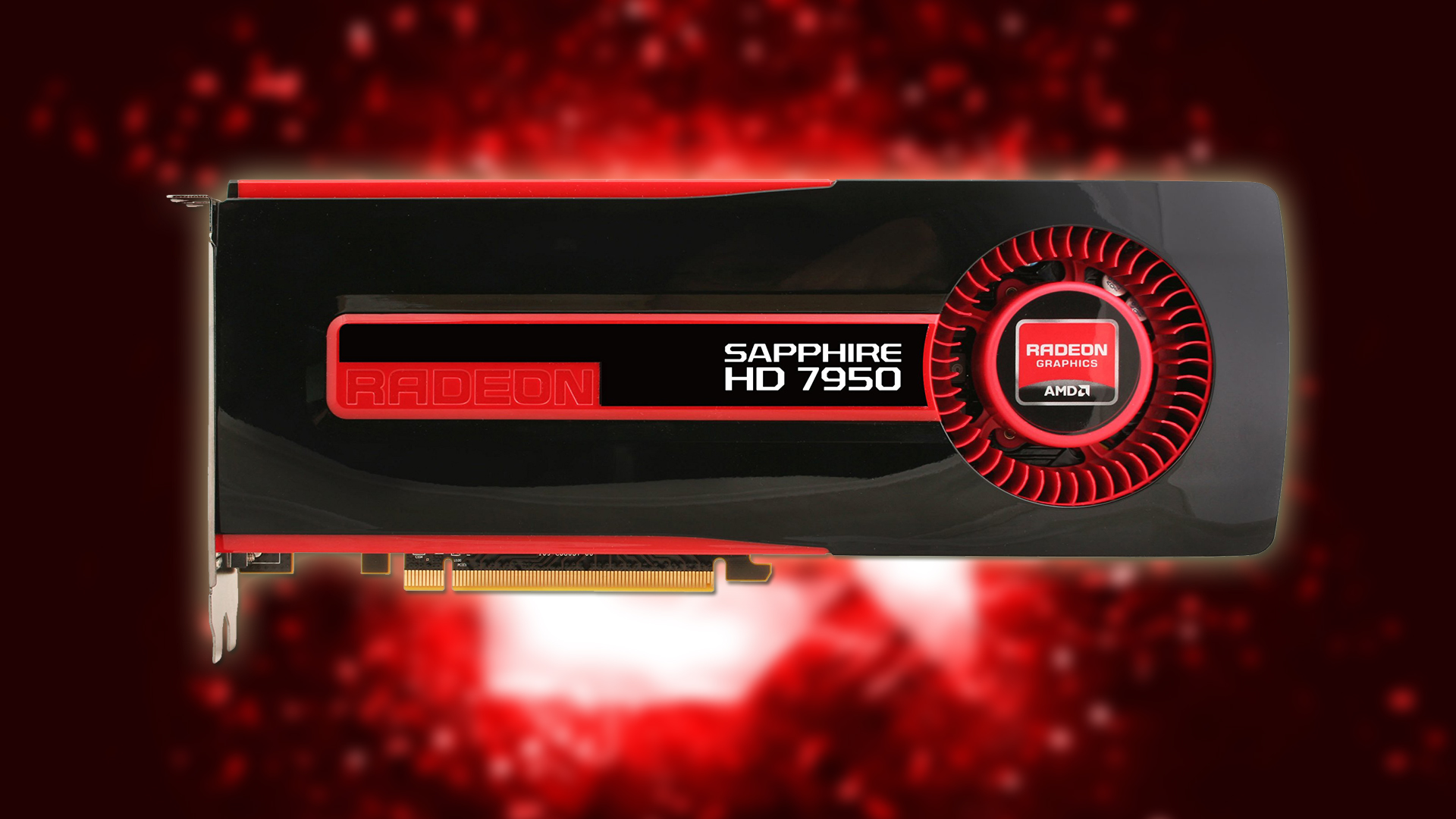
Fresh benchmark results suggest Linux users with older AMD graphics cards could be in for a pleasant surprise. A move away from the long-running Radeon driver and toward the newer AMDGPU driver is showing sizeable real-world performance gains for “ancient” AMD GPUs, including the Radeon HD 7950.
The Radeon HD 7950 is an early 2010s graphics card based on AMD’s first-generation GCN architecture (GCN 1.0, also known as Southern Islands). For years, GPUs from this era have typically relied on the aging Radeon kernel driver. Now, new kernel work is paving the way for GCN 1.0 (Southern Islands) and GCN 1.1 (Sea Islands) hardware to transition over to the AMDGPU driver module by default—the same modern driver path used for newer AMD graphics cards.
This change is expected to land with Linux kernel 6.19, currently scheduled for release in February 2026. Early testing indicates that the Radeon HD 7950 runs smoothly after the switch, performing reliably across both gaming and non-gaming workloads.
In benchmark comparisons between the legacy Radeon driver and the newer AMDGPU driver, the HD 7950 posted large improvements across a variety of tests. Performance gains showed up in popular Linux-friendly games and benchmarks like Xonotic 0.8.6 and YQuake2 8.10, along with graphics test suites such as Unigine and GravityMark 1.87. Across many GPU-focused workloads, results often climbed sharply with AMDGPU enabled.
Vulkan gaming results also stood out. Tests in Vulkan titles including Batman: Arkham Knight, Dirt Rally 2.0, and Strange Brigade pointed to an overall performance uplift of around 30% compared to the Radeon kernel driver. That’s a big jump for a GPU generation many users consider long past its prime, and it could translate into noticeably smoother gameplay and improved responsiveness in supported titles.
One of the most important practical benefits of this driver transition is improved Vulkan support for GCN 1.0 and GCN 1.1 GPUs under the AMDGPU kernel driver, making Vulkan a more realistic option on cards that previously felt more limited. That said, it’s still important to keep expectations in check: these GPUs remain older and slower by modern standards, often with limited VRAM and missing newer Vulkan features. Even with a strong driver uplift, they won’t suddenly become ideal for the latest demanding AAA releases.
What this upgrade can do, however, is give classic and older Vulkan-supported games a new lease on life—delivering higher frame rates, smoother performance, and fewer CPU-related bottlenecks on Linux. For anyone still running a Radeon HD 7950 or similar GCN-era hardware, Linux kernel 6.19 and the AMDGPU-by-default transition could be one of the most meaningful performance upgrades they’ve seen in years.