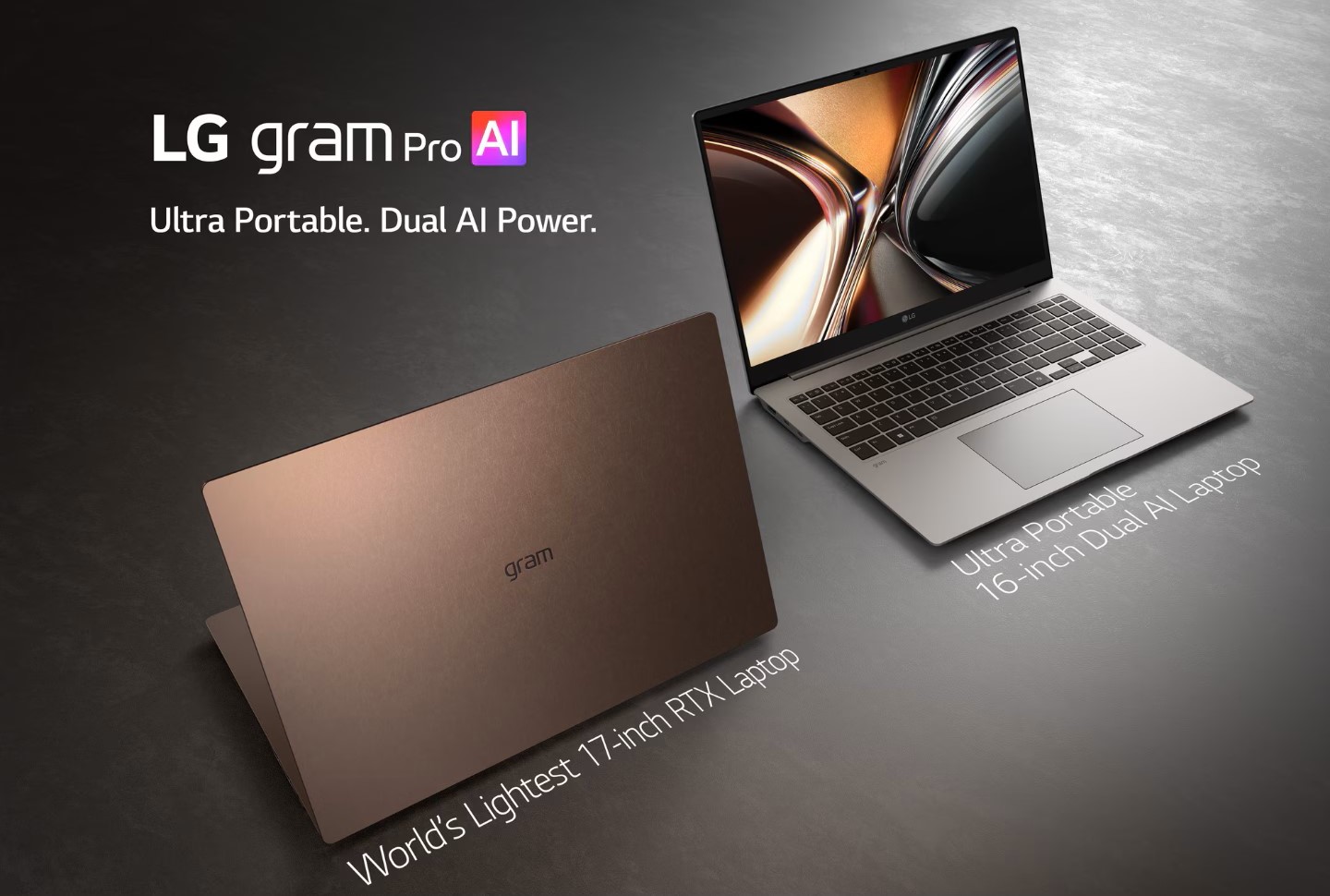
Laptop prices aren’t only feeling the squeeze from rising RAM and SSD costs anymore. Now entire notebook lineups are climbing in price by double-digit percentages, and LG’s latest Gram refresh is shaping up to be one of the clearest examples of how quickly the market is shifting.
New pricing reports indicate LG has quietly increased prices for its LG Gram 2026 laptop models in South Korea, with hikes ranging from 200,000 to 600,000 won (about $133 to $400). While price adjustments on tech products aren’t unusual, what makes this stand out is that the LG Gram 2026 series had already launched at noticeably higher prices than the previous generation.
At launch, the Gram 2026 lineup reportedly debuted at around 19% higher pricing compared to the 2025 models, roughly 500,000 won (about $333) more than its predecessor. Now, that earlier jump is being followed by an additional increase of about 13%—pushing already premium models even further upmarket.
One of the biggest increases appears to hit the LG Gram 16, which has reportedly received the maximum hike of around 600,000 won (about $400). That moves the laptop’s price to roughly 3.54 million won (about $2,361) in South Korea. For perspective, the same model was said to have launched this year at about 3.14 million won (around $2,094), while the previous-generation version debuted at about 2.64 million won (around $1,716). That’s a total jump of roughly $645 across the last two generations—an eye-catching increase for a mainstream ultralight laptop.
Not every model’s adjustment has been broken down in detail, but the report suggests buyers should expect at least a $133 increase on the low end, with higher-end configurations likely taking the largest hits. Although the report doesn’t directly single out memory and storage as the cause, an LG Electronics representative pointed to a broader industry issue: rising prices for key components and the impact of exchange rates. In other words, the same familiar pressures—more expensive parts and currency fluctuations—are still driving notebook pricing upward.
LG isn’t alone in this trend. Competing premium laptop lines have also reportedly seen recent increases in South Korea, including significant jumps on higher-tier configurations. The bigger takeaway for shoppers is that “waiting for prices to drop” may not be a winning strategy in the current climate—especially for thin-and-light laptops that rely heavily on pricier memory and storage components.
If you’re considering a new LG Gram 2026 model, it may be worth tracking regional pricing closely, comparing multiple configurations, and deciding whether a slightly older generation (or a lower-tier spec) delivers better value. With ongoing component cost pressure and exchange-rate volatility, premium laptop pricing may remain unpredictable for some time.