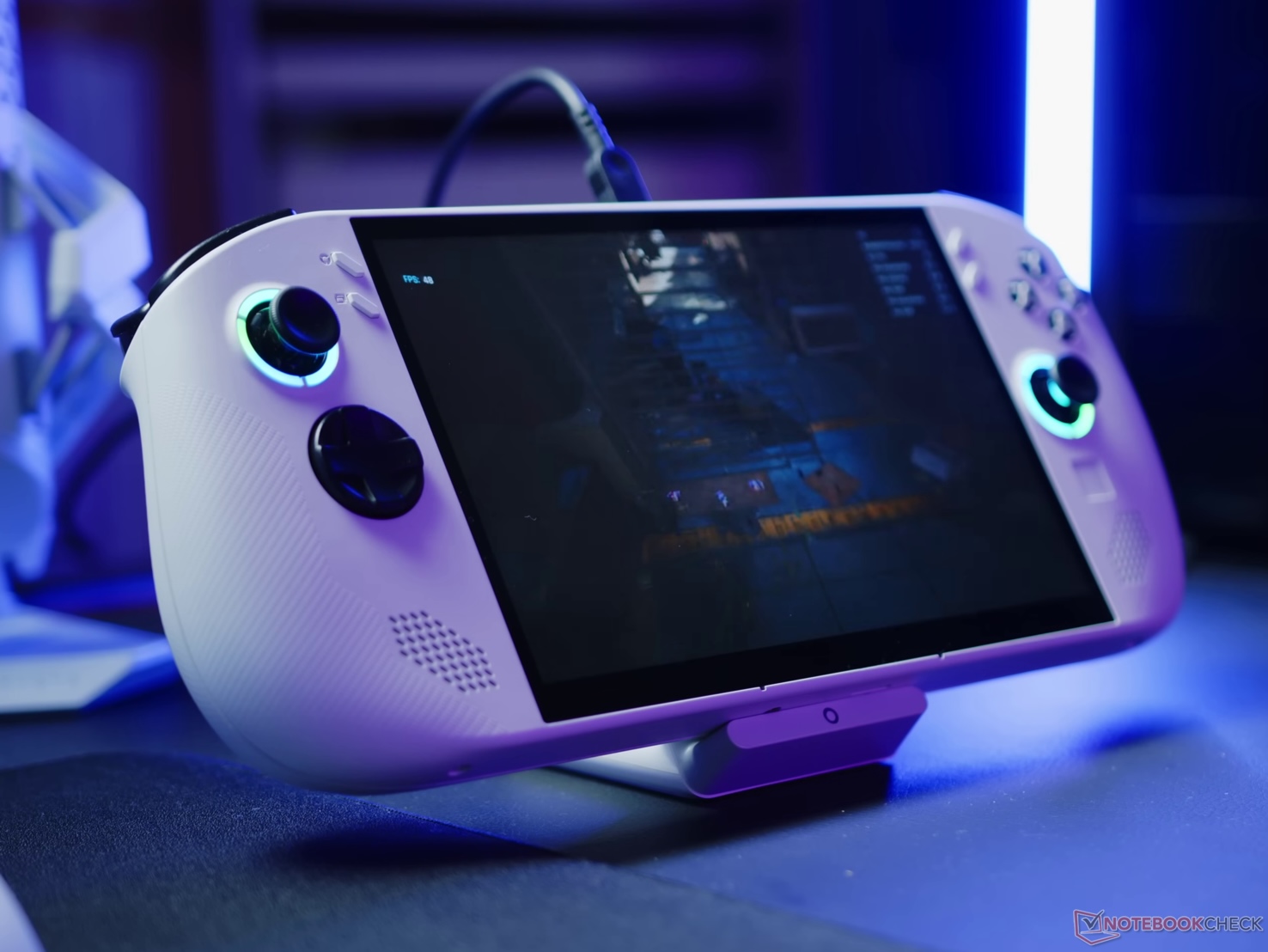
Lenovo’s Legion Go S gaming handheld just got hit with another sticker shock moment, and this time it’s the AMD Ryzen Z1 Extreme model that’s taking the blow. After a series of recent price hikes across the Legion Go lineup, the latest jump makes this handheld dramatically more expensive than it was only a short time ago—adding to ongoing concerns that component shortages and memory pricing pressures still haven’t eased for PC gamers.
Not long ago, the Lenovo Legion Go S configuration featuring the Ryzen Z1 Extreme APU, 32GB of LPDDR5X RAM, and a 1TB SSD was selling for just under $900. That same spec level is now listed at around $1,580 for the SteamOS version, which works out to an eye-watering increase of roughly $680. For shoppers who prefer Windows, the Windows-equipped Z1 Extreme version is even higher, coming in at just under $1,680.
To put that into perspective, there’s also a lower-tier Legion Go S configuration based on the AMD Ryzen Z2 Go that’s being sold for just under $990 with SteamOS—despite having half the RAM and half the storage compared to the 32GB/1TB Z1 Extreme model. The pricing structure now leaves many buyers wondering where the real value sits, especially when the differences between these chips don’t always translate into equally large real-world gaming gains.
On paper, the Ryzen Z1 Extreme looks like a major step up. It’s an 8-core processor and posts more than double the multi-core performance of the 4-core Ryzen Z2 Go in synthetic benchmarks. But when it comes to actual gaming performance, the gap between the graphics side—Radeon 780M versus Radeon 680M—is often much smaller, hovering around roughly 10% depending on the game and settings. The higher-end Legion Go S does bring meaningful upgrades beyond the chip, though, including double the memory and storage, which can matter for modern game installs and multitasking.
Still, the key takeaway is hard to ignore: the Lenovo Legion Go S price has climbed to a level that may push many handheld gaming PC buyers to reconsider, especially when comparable devices and configurations can cost far less. If these pricing spikes continue, Lenovo’s handheld value proposition could become a tougher sell for anyone shopping for a portable gaming system in 2026.