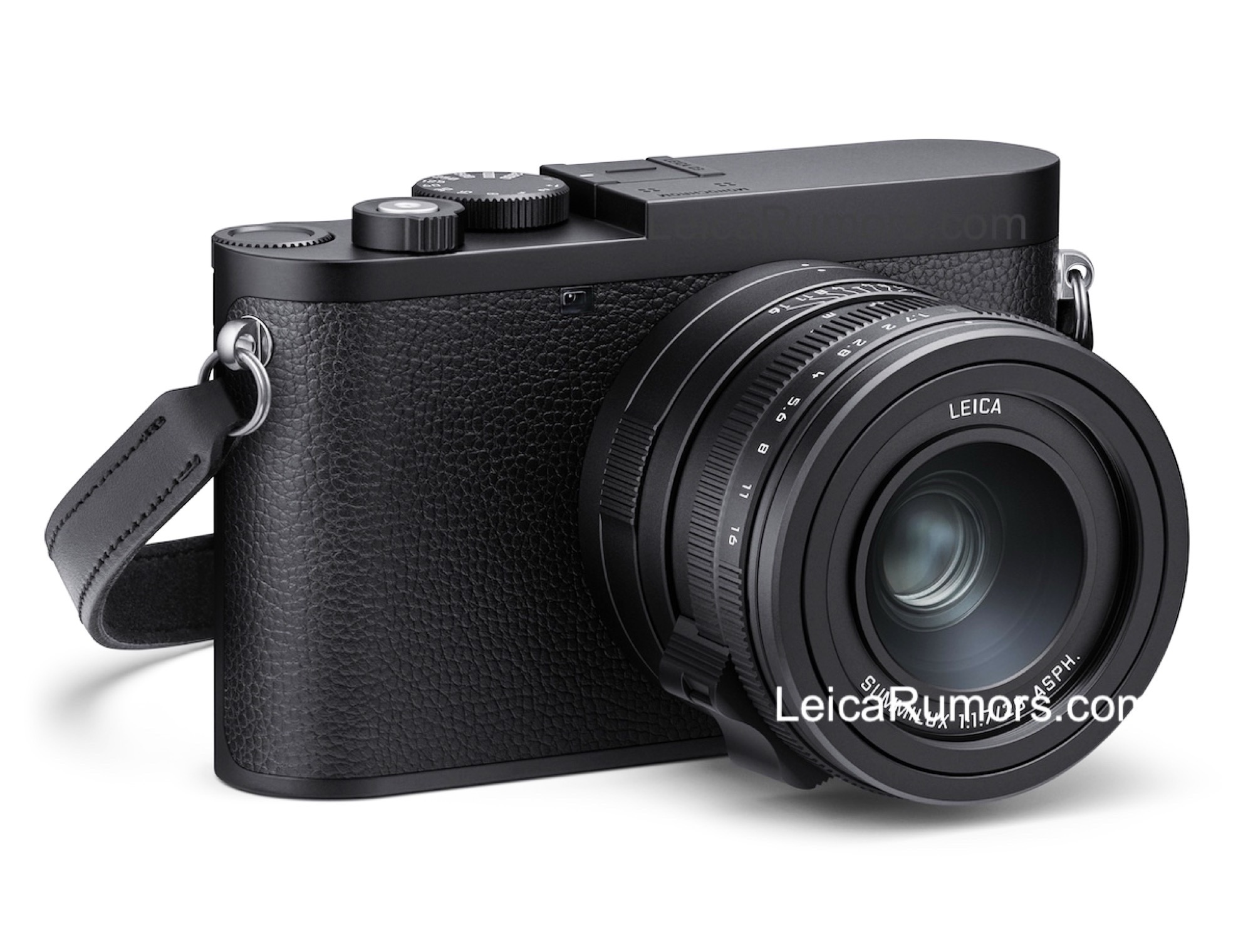
Leica’s next black‑and‑white powerhouse is shaping up to be both bolder and pricier. Reports suggest the Leica Q3 Monochrom will land at $7,790 in the United States, a clear premium over the standard color-sensor Q3 at $6,735. If a similar uplift carries over to Europe, the Monochrom variant could come in around €7,225 including VAT.
What does that extra cash buy? A purpose-built 60MP full-frame sensor with no color filter array, dedicated to pure black-and-white imaging. By skipping the color filter, the sensor should deliver substantially higher light sensitivity, cleaner results at elevated ISOs, and the nuanced tonal gradation that Monochrom shooters crave. Expect subtle design tweaks to match the stripped-back aesthetic the series is known for.
Beyond the sensor shift, most of the hardware reportedly mirrors the regular Q3. That includes a crisp 5.76‑million‑dot OLED electronic viewfinder with a smooth 120 Hz refresh rate, plus a convenient foldable 3‑inch touchscreen for flexible framing. The fixed 28mm f/1.7 Summilux lens returns with its handy macro mode for close‑ups, making the camera equally at home on the street or over a detail-rich still life.
Video isn’t an afterthought either. The Q3 Monochrom is expected to support 8K recording—entirely in monochrome—giving filmmakers a distinctive look straight out of camera. Under the hood, the Leica Maestro IV processor should provide snappy autofocus performance and overall responsiveness despite the high-resolution sensor.
Who is this for? Photographers who live for black‑and‑white. The Monochrom approach appeals to purists who want maximum luminance detail, low‑light capability, and a timeless rendering without relying on desaturation or filters in post. If you already love the handling and optics of the Q3 but want a dedicated B&W tool, this model looks like the most focused expression of that vision.
In short, the Leica Q3 Monochrom trades color flexibility for heightened sensitivity, detail, and character. If the reported pricing holds, it’s a premium proposition—but one aimed squarely at creators who value tonal richness and the unique discipline of shooting in black and white.