Xiaomi HyperOS 4 Leak Reveals Soft Glass Design, Smarter AI Tools, and a Fresh New Look
Xiaomi’s next major software upgrade, HyperOS 4, is shaping up to be one of the brand’s most visually polished and AI-focused updates yet. Newly surfaced promotional images suggest that Xiaomi is preparing a cleaner interface, smarter productivity features, and deeper AI integration for supported phones and tablets.
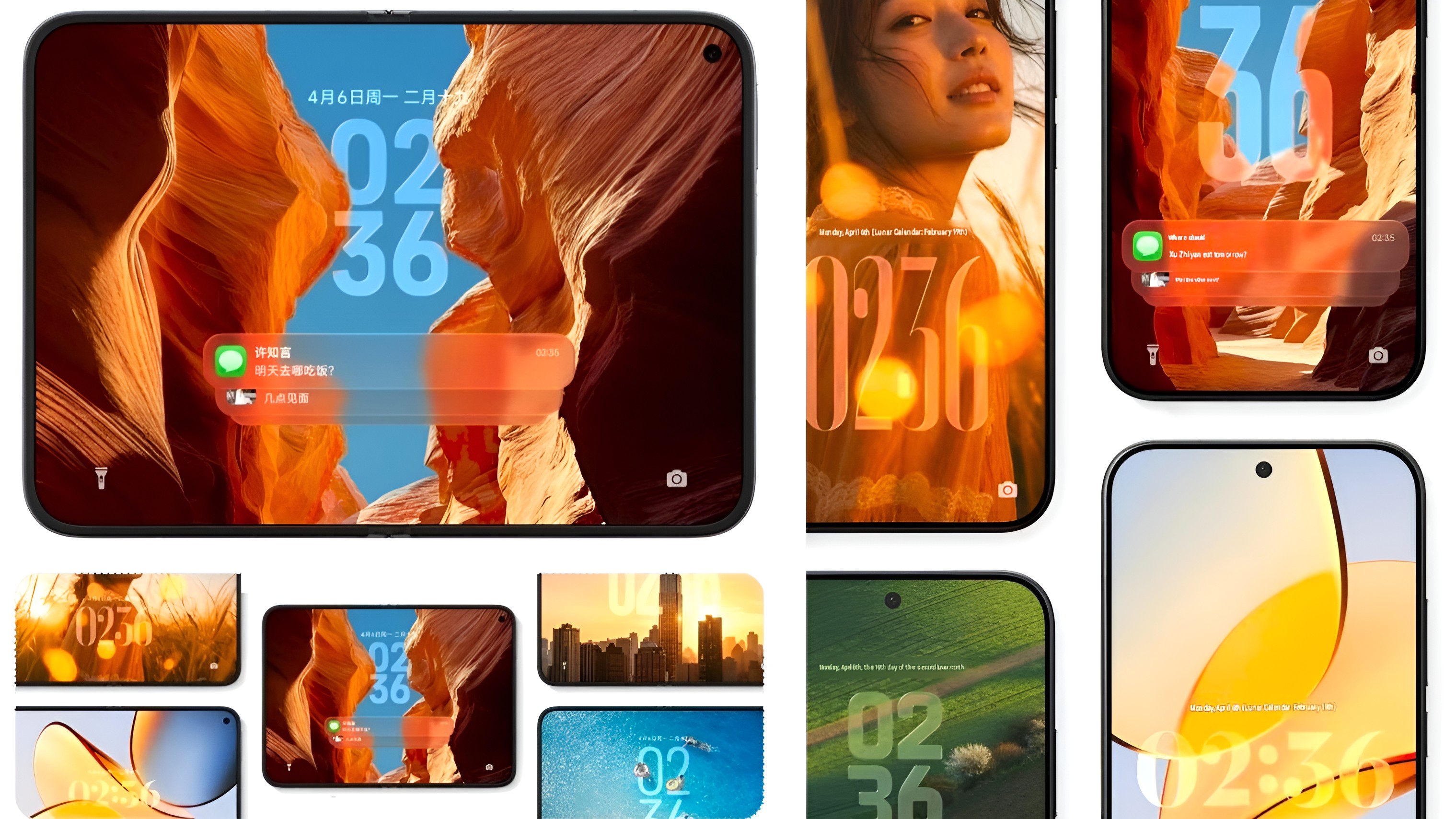
One of the biggest changes shown in the leaked promo material is a redesigned visual style reportedly called “Soft Glass Design.” Based on the images, HyperOS 4 appears to introduce a smoother, more translucent interface with softer edges, refined icons, and a more modern overall appearance. The goal seems to be making the system feel lighter, cleaner, and more premium while keeping Xiaomi’s familiar design identity intact.
The lock screen is also getting attention in HyperOS 4. The leaked images show a refreshed lock screen layout that looks more customizable and visually dynamic. Xiaomi has been steadily improving personalization across its software, and HyperOS 4 appears to continue that trend with more flexible styling options.
Another notable upgrade is the home screen experience. HyperOS 4 is expected to introduce stacked widgets, allowing users to place multiple widgets in the same space and swipe through them as needed. This could make the home screen more organized while still giving quick access to weather, calendar events, music controls, notes, and other useful information.
Xiaomi is also updating its folder and icon layout system. The leaked promotional images show different folder sizes and a smart grid for icons, which should help users create a more personalized and practical home screen. Instead of a fixed layout, HyperOS 4 may offer more freedom to arrange apps and widgets in a way that feels natural.
The Xiaomi Device Center is also shown with a redesigned interface. This feature is important for users who own multiple Xiaomi products, such as phones, tablets, earbuds, smart TVs, laptops, and smart home devices. A cleaner Device Center could make it easier to switch between connected devices, manage wireless audio, share content, and control Xiaomi ecosystem products from one place.
Beyond the design refresh, Xiaomi is putting a major focus on artificial intelligence. HyperOS 4 is expected to bring improved performance along with a collection of new AI-powered tools. In China, the update is said to include an upgraded version of “Super Xiao AI,” Xiaomi’s assistant designed to help with system tasks, voice commands, content generation, and smart recommendations.
For global users, Xiaomi may rely more heavily on Google Gemini for AI features, depending on region and device compatibility. This could mean that international HyperOS 4 builds may offer a different AI experience compared to the Chinese version, while still delivering many of the same productivity-focused improvements.
One of the most useful additions appears to be a new Smart Input Option for the Xiaomi keyboard. According to the leaked material, this feature can use AI to translate and transcribe text directly while typing. If implemented well, it could be a major convenience for users who frequently communicate in different languages, take notes from meetings, or convert spoken content into text.
HyperOS 4 may also include AI-enhanced note-taking. While the leaked images do not reveal every detail, this feature could help users summarize notes, organize ideas, clean up text, or generate structured content more quickly. AI-powered note tools are becoming increasingly popular, and Xiaomi seems ready to bring similar functionality directly into its software ecosystem.
Performance improvements are also expected to be part of the HyperOS 4 update. Xiaomi typically uses major system updates to improve animations, multitasking, battery efficiency, and overall responsiveness. Combined with the new interface design, HyperOS 4 could feel smoother and more refined than the current version.
The update is expected to roll out to many existing Xiaomi smartphones and tablets over the coming months, though availability will likely depend on the model, region, and release schedule. Flagship Xiaomi devices are expected to receive the update first, followed by newer mid-range models and tablets.
If the leaked promotional images are accurate, HyperOS 4 could be a significant upgrade for Xiaomi users. With a refreshed Soft Glass Design, smarter widgets, a redesigned Device Center, flexible home screen options, and a stronger focus on AI, Xiaomi’s next software update looks set to deliver both style and functionality.
For users waiting for a more modern Xiaomi software experience, HyperOS 4 may be the update that brings a cleaner design, better productivity tools, and more intelligent features across the Xiaomi ecosystem.