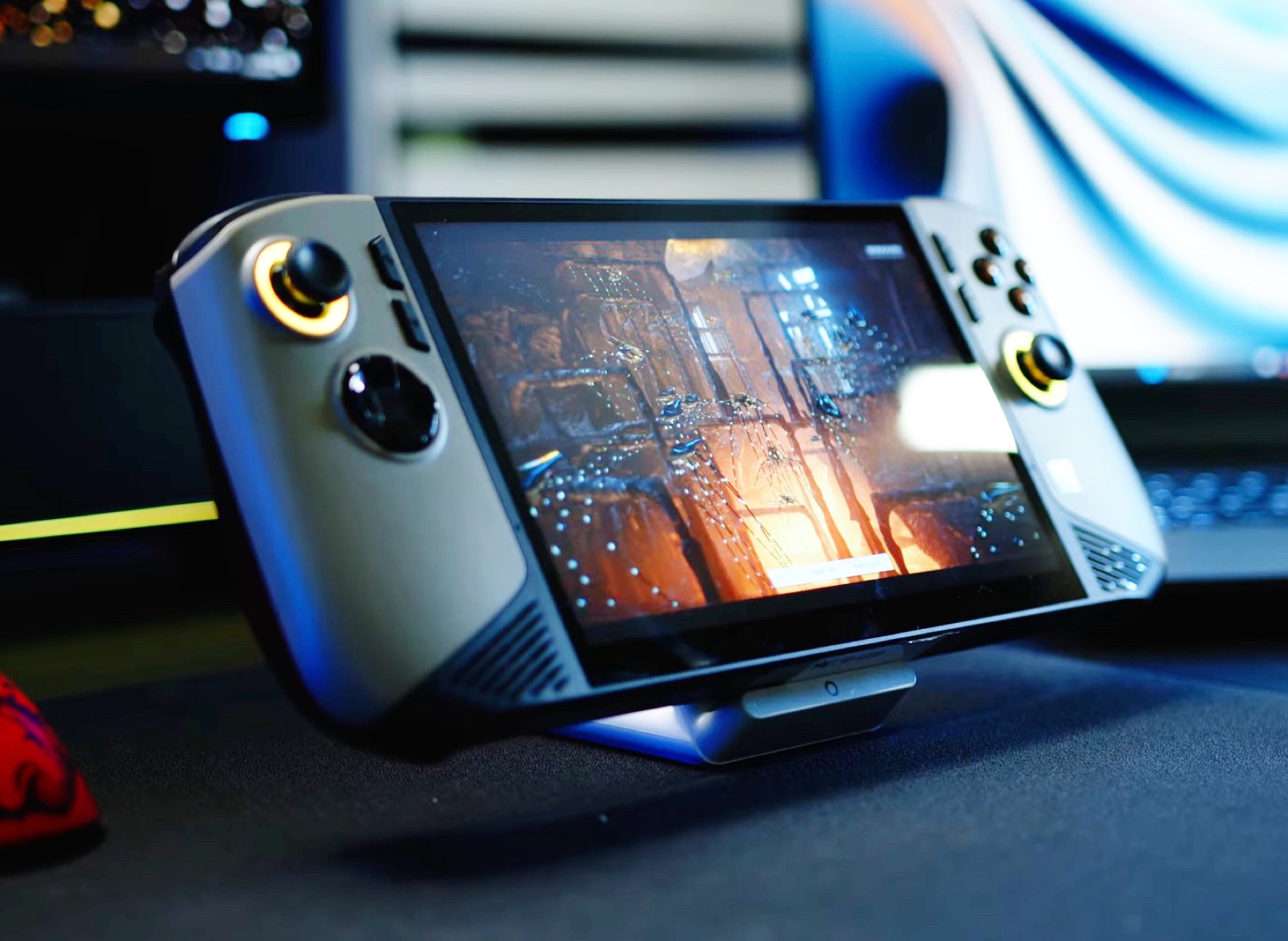
Intel appears ready to make a serious push into the gaming handheld market with a new processor line reportedly built specifically for portable consoles like the Steam Deck-style devices and models such as MSI’s Claw lineup. After AMD grabbed attention with dedicated Ryzen Z2-series chips aimed at handheld gaming PCs, this move suggests Intel wants a bigger presence in a segment where performance-per-watt and battery life matter just as much as raw frame rates.
A recent leak points to a new family called Intel Core G3. While it’s said to use the same general architecture associated with Intel’s upcoming Panther Lake platform, the leak indicates these chips aren’t simply renamed mainstream laptop processors. Instead, they look tuned for the unique demands of handhelds, where sustained power draw, thermals, and efficiency can make or break the experience.
The most powerful Core G3 model mentioned in the leak reportedly uses an unusual core layout: two performance cores, eight efficiency cores, and four low-power cores, for a total of 14 CPU cores. That configuration stands out because it doesn’t match typical lineups seen elsewhere, reinforcing the idea that Intel may be building a handheld-focused design rather than repackaging an existing product.
Graphics are expected to be a major part of the story as well. The leaked top iGPU is reportedly an Intel Arc B380, described as a lower-clocked variant of a higher model, and said to include 12 Xe2 cores. If accurate, this would put a clear focus on modern integrated graphics capabilities—critical for hitting playable settings and frame rates on a handheld’s built-in display without draining the battery too quickly.
The leak also suggests a second Core G3 chip could arrive with an Intel Arc B360 iGPU. Specifics for that graphics option weren’t detailed, but it may land below the B380 tier, potentially offering a cheaper or more power-efficient option for manufacturers aiming at different price points and performance classes.
For now, the big unanswered question is timing. There’s no confirmed release window yet, and no wave of newly announced handhelds featuring Intel chips has been publicly revealed alongside major recent product events. Even so, the direction is clear: Intel wants to challenge AMD’s current strength in handheld gaming PCs. Whether Core G3 and the Panther Lake-era platform deliver the battery life, thermals, and real-world gaming performance needed to shift the market will be the key thing to watch.