The global technology landscape is buzzing with excitement as the smartphone and PC markets, largely fueled by advances in artificial intelligence, appear to be on a path toward recovery. However, this positive trend is contrasted by a less optimistic outlook within the automotive sector heading into 2025. This downturn has significant implications for leading semiconductor manufacturers such as TSMC, UMC, VIS, and GW.
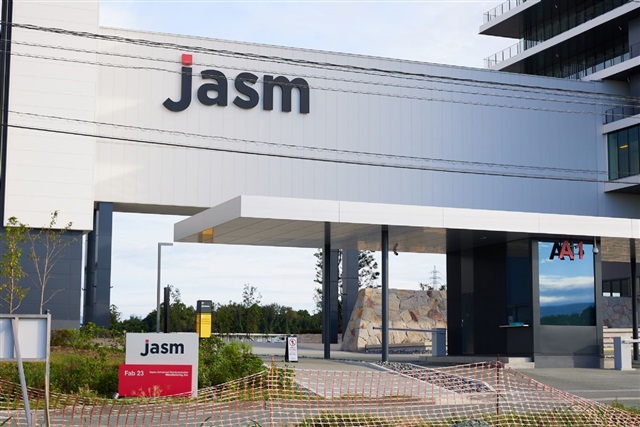
One of the notable developments in this scene is TSMC’s efforts to boost production at its Kumamoto plant. While the plant has commenced mass production, it is encountering challenges due to the sluggish demand from the automotive industry. This is a critical sector that has not fully rebounded, influencing broader market dynamics and placing pressure on these semiconductor giants.
As these companies attempt to navigate the complexities of the market, they are finding it necessary to adjust their strategies. The difficulties faced by the automotive industry underline the importance of diversifying production capabilities and exploring growth opportunities in other sectors that may not be as heavily impacted. The situation presents both a challenge and an opportunity for semiconductor firms to innovate and perhaps even reshape their approach to the industry’s evolving needs.
Overall, as we look towards 2025, the interaction between the automotive sector’s struggles and the thriving potential in AI-driven technologies will play a crucial role in shaping the future of the semiconductor industry. This dynamic will require keen strategic insight and adaptability from key players to capitalize on emerging trends while mitigating the repercussions of the automotive downturn.