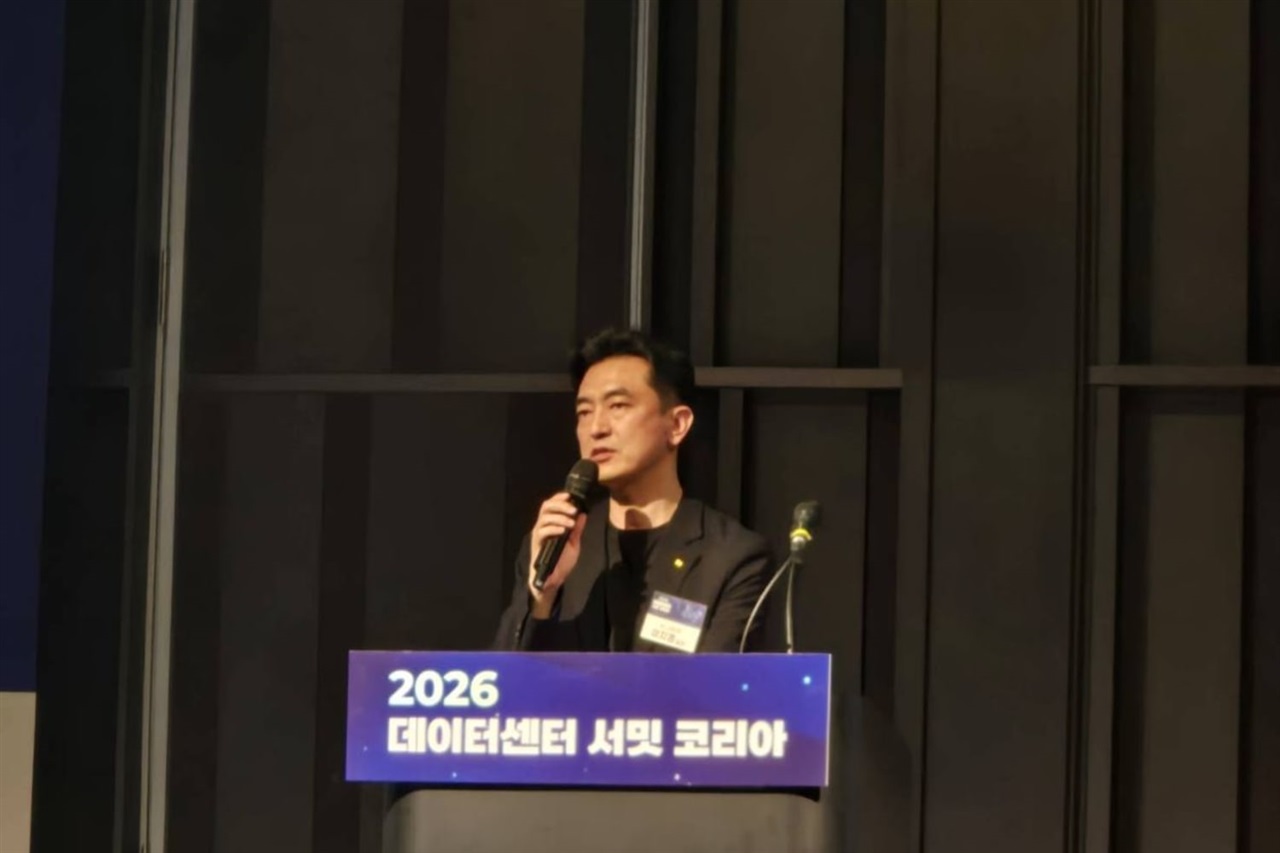
KT Cloud is speeding up the expansion of its artificial intelligence data center network in South Korea by turning to modular construction, new power strategies, and a digital twin-based operations platform. The company’s approach reflects a broader shift in the data center industry, where demand for AI computing is growing faster than traditional infrastructure can be built.
As artificial intelligence services become more advanced, they require enormous amounts of computing power, storage capacity, and energy. This has created intense pressure on cloud providers and data center operators to deliver high-performance facilities quickly, while also dealing with challenges such as lengthy approval processes, limited grid capacity, and rising concerns about energy efficiency.
To address these issues, KT Cloud is adopting modular construction methods for its AI data centers. Instead of relying only on conventional building techniques, modular data center designs allow key parts of the facility to be manufactured, assembled, and deployed more efficiently. This can shorten construction timelines, improve scalability, and make it easier to expand capacity as customer demand increases.
The modular approach is especially important for AI workloads, which often require dense computing environments powered by high-performance servers and advanced cooling systems. By using standardized and repeatable construction models, KT Cloud can respond more quickly to the growing need for AI infrastructure across South Korea.
Power supply is another major focus of the company’s strategy. AI data centers consume significant amounts of electricity, and access to stable energy has become one of the biggest obstacles for new facility development. Grid limitations can delay projects and restrict expansion plans, particularly in regions where power demand is already high.
KT Cloud is exploring alternative power sourcing to reduce dependency on traditional grid connections and improve the reliability of its data center operations. This could help the company manage rising energy demands while supporting more sustainable growth. As AI adoption continues to increase, power availability and efficiency are expected to become key factors in determining where and how new data centers are built.
The company is also using a digital twin operations platform to improve data center management. A digital twin is a virtual model of a physical facility that can monitor systems, simulate performance, and identify potential problems before they affect operations. For AI data centers, where uptime, cooling efficiency, and power stability are critical, this type of technology can provide major operational advantages.
With a digital twin platform, KT Cloud can track facility performance in real time, optimize energy use, and support predictive maintenance. This helps reduce operational risks while improving reliability for customers that depend on cloud and AI services.
KT Cloud’s accelerated data center strategy comes at a time when South Korea is working to strengthen its position in the global AI and cloud computing market. As businesses, public institutions, and technology companies increase their use of AI tools, demand for secure and scalable data infrastructure is rising rapidly.
The company’s investment in modular data centers, flexible energy planning, and advanced operations technology shows how cloud providers are adapting to a new era of computing. Traditional data center development models are being challenged by faster innovation cycles, heavier workloads, and growing sustainability expectations.
By focusing on speed, scalability, and operational intelligence, KT Cloud aims to build AI-ready infrastructure that can support the next wave of digital transformation. Its strategy also highlights the changing priorities of the data center industry, where construction efficiency, energy access, and smart facility management are becoming just as important as raw computing capacity.
As AI continues to reshape industries, the need for reliable and powerful data centers will only increase. KT Cloud’s latest efforts suggest that the future of AI infrastructure will depend not only on advanced chips and servers, but also on smarter construction methods, stronger energy strategies, and intelligent operations systems designed for long-term growth.