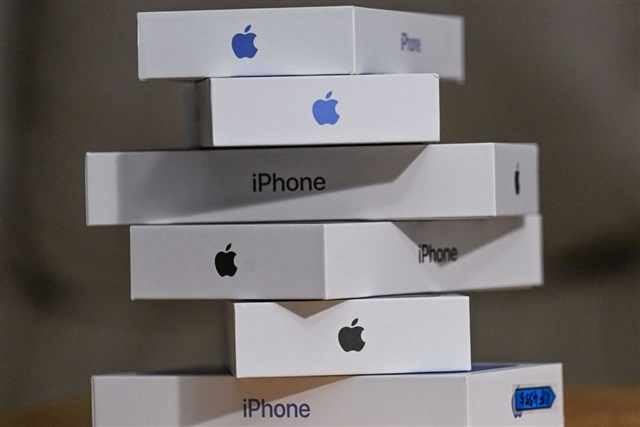
Emerging reports indicate Apple is gearing up for one of its biggest iPhone launch strategy changes in more than ten years, and it’s not happening just because of flashy new features. The shift appears to be driven by a mix of high product ambitions and growing pressure across the supply chain, with key component makers in Korea reportedly preparing for a more complex, staggered rollout for the iPhone 18 lineup.
For years, Apple has largely trained customers to expect a predictable annual rhythm: a major iPhone reveal followed by broad availability in a tight window. Now, that familiar cadence may be set for a rethink. A staggered iPhone 18 launch would mean Apple releases different models at different times, rather than pushing the entire lineup to market all at once. If this approach materializes, it could reshape how consumers plan upgrades, how carriers structure promotions, and how retailers manage inventory.
Why would Apple change a formula that has worked so well? One major factor is supply-chain reality. Advanced iPhones require a massive, coordinated ramp-up of displays, camera modules, chips, batteries, and other parts—often sourced from specialized suppliers that need long lead times and stable forecasting. As the complexity of each iPhone generation increases, achieving smooth, on-time mass production across every model becomes harder. Even small bottlenecks can ripple across the whole launch plan, forcing difficult decisions about which products get priority.
A phased iPhone 18 release could help Apple in a few practical ways. It can reduce peak manufacturing pressure by spreading production demand over a longer period. It can also allow Apple to focus early capacity on the highest-demand models first, while later releases give suppliers more breathing room to catch up on constrained components. In an era where cutting-edge parts are harder to scale quickly—especially when new manufacturing techniques or materials are involved—this kind of scheduling flexibility can be a powerful tool.
There’s also a strategic upside. Staggering launches can extend the iPhone news cycle, keeping Apple in the spotlight longer and potentially smoothing revenue and demand across multiple quarters. Instead of one massive sales surge followed by a gradual decline, multiple release moments can create repeated waves of consumer interest. For shoppers, it may mean some iPhone 18 versions appear earlier while others arrive later—especially if certain models rely on more complex hardware or new production processes.
For Korean suppliers, the implications are significant. Korea plays a central role in key smartphone components, and any major adjustment to Apple’s release timeline affects everything from production scheduling to staffing and logistics planning. A staggered iPhone 18 rollout could require more dynamic forecasting and tighter coordination, since suppliers would need to meet multiple milestone dates rather than a single launch deadline.
If Apple does move forward with this approach, the iPhone 18 cycle could look very different from what consumers have come to expect. It may bring a slower, more deliberate rollout—one designed to match the realities of modern manufacturing while still delivering the premium devices that drive Apple’s upgrade engine. For anyone planning their next iPhone purchase, it’s a change worth watching closely as more details emerge.