Jensen Huang and Elon Musk Agree: Older GPUs Are Becoming More Valuable Than Expected
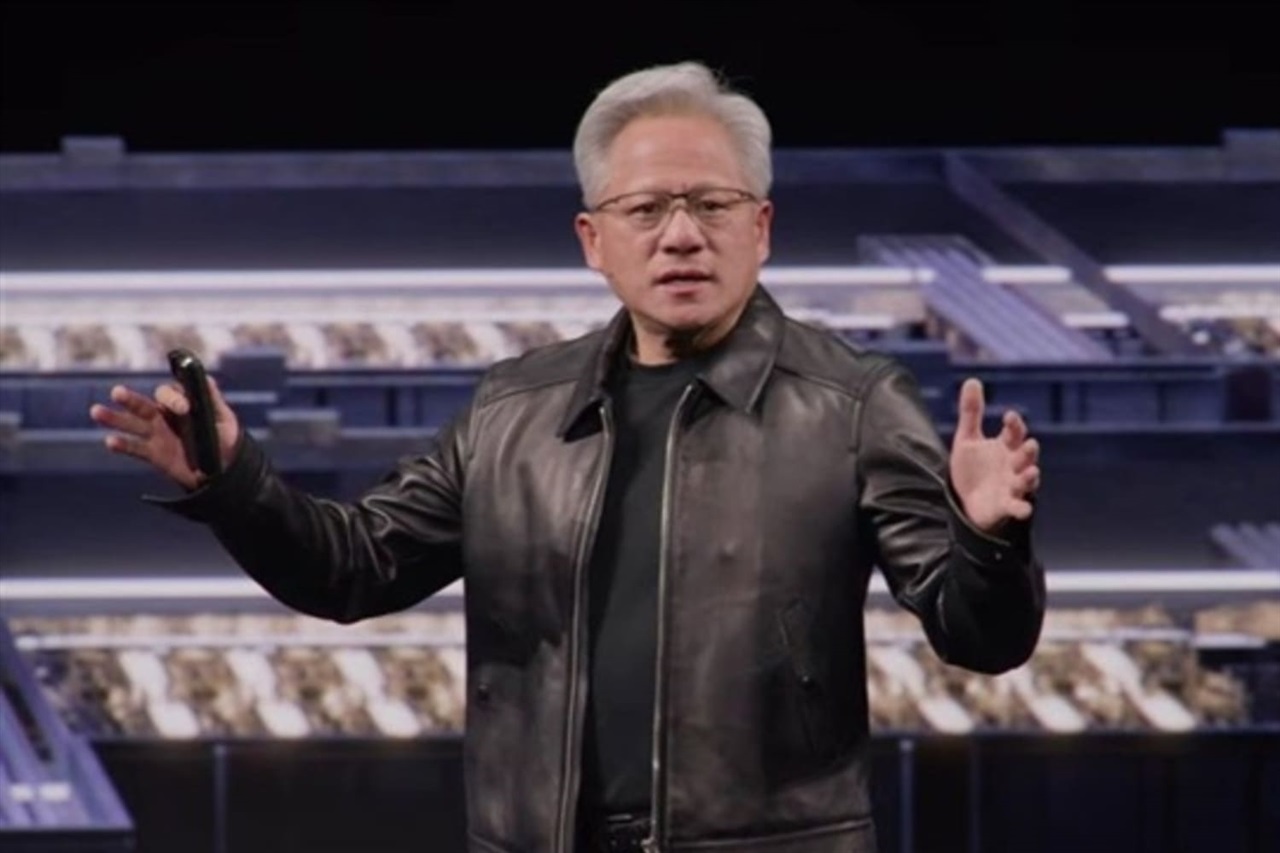
Nvidia CEO Jensen Huang and Tesla CEO Elon Musk appear to agree on one of the biggest shifts happening in the AI hardware market: GPUs are not aging out as quickly as many people once believed. Instead of becoming obsolete within a short upgrade cycle, graphics processors are proving they can remain useful, productive, and financially valuable for far longer than expected.
Huang addressed the topic while speaking at GTC Berlin, while Musk shared a similar view during SpaceX’s third-quarter 2026 earnings call. Although the two leaders operate in different corners of the technology world, their message was strikingly aligned: modern GPUs should no longer be treated like short-lived components that quickly lose their worth.
For years, the technology industry has viewed GPUs as hardware that depreciates rapidly. As newer chips arrive with faster performance, better efficiency, and more advanced AI features, older models were often assumed to lose relevance. That thinking is now being challenged by the explosive growth of artificial intelligence, machine learning, robotics, cloud computing, and high-performance data centers.
AI demand has changed the equation. Companies building and training models need enormous amounts of compute power, and not every workload requires the newest and most expensive accelerator. Many older GPUs can still handle inference, data processing, rendering, simulation, and a wide range of enterprise computing tasks. As a result, their useful life is stretching well beyond earlier assumptions.
This shift is especially important for data centers and AI infrastructure providers. If GPUs can remain productive for longer, the return on investment improves significantly. Businesses can continue using existing hardware while gradually expanding capacity with newer chips. That makes GPU fleets more flexible, more cost-effective, and potentially more profitable over time.
Huang’s view reflects Nvidia’s central role in the AI boom. The company’s hardware has become a backbone of modern artificial intelligence infrastructure, and demand for its chips continues to outpace supply in many areas. If older Nvidia GPUs remain valuable, it strengthens the broader ecosystem by allowing more companies to access AI compute without relying only on the latest generation of hardware.
Musk’s agreement is also notable. Tesla, SpaceX, and his other ventures rely heavily on advanced computing, from autonomous driving and robotics to engineering simulations and large-scale AI systems. His recognition that GPUs can retain value for longer suggests that major technology companies are reassessing how they plan hardware purchases, depreciation schedules, and compute expansion.
The idea that aging GPUs still have meaningful value could also impact the secondary hardware market. Instead of being seen as outdated inventory, older GPUs may become sought-after assets for startups, research labs, smaller AI companies, and enterprises that need affordable compute power. This could keep resale prices stronger and extend the life cycle of hardware that might otherwise be replaced too quickly.
The broader takeaway is clear: GPUs are no longer just components in a traditional upgrade cycle. They are becoming long-term infrastructure assets. As artificial intelligence continues to expand across industries, the demand for usable compute power may keep older chips relevant for many years.
Huang and Musk rarely align so clearly on industry trends, but on this point, their views point to the same conclusion. The GPU market is changing, and the value of AI hardware is no longer defined only by the newest release. In an era where compute power is one of the world’s most important resources, even aging GPUs may be worth far more than expected.