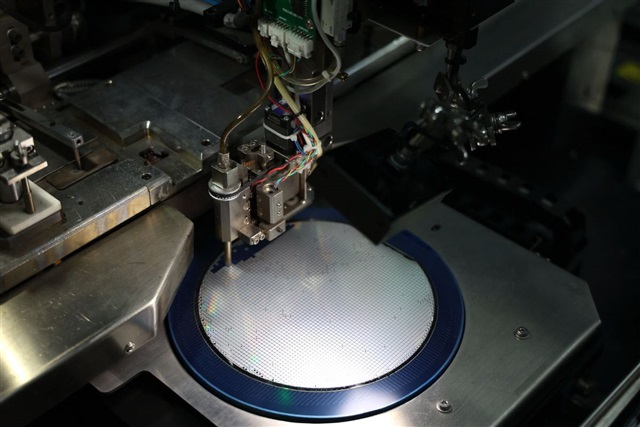
While headlines fixate on breakthroughs in artificial intelligence, a quieter shift in the chip world is creating a very real risk for carmakers: the gradual shutdown of legacy semiconductor production. These older, proven manufacturing lines have powered vehicle electronics for decades. As they fade, the automotive industry faces a complex mix of supply uncertainty, higher costs, and difficult design decisions that could ripple through production schedules.
Legacy semiconductors may not grab attention, but they are the backbone of modern vehicles. Microcontrollers, power management chips, sensors, and analog components built on mature process technologies handle everything from engine control and braking to window switches and climate systems. Automakers rely on these chips for their reliability, long life cycles, and rigorous safety qualifications—attributes that don’t necessarily improve just because a newer manufacturing process exists.
The challenge is that chipmakers are increasingly retooling capacity toward newer, high-performance products. As investment chases demand for advanced computing and data processing, older lines become less attractive to maintain. The economics are difficult to ignore: newer processes can deliver higher margins and align with fast-growing markets, while legacy lines require continual upkeep and highly specialized equipment and expertise. Over time, that dynamic quietly squeezes supply for the mature chips vehicles depend on.
For automakers and suppliers, the immediate risk is longer lead times and more frequent shortages for parts that rarely made headlines until they were suddenly scarce. A modest shortfall in a low-cost controller or analog component can halt an entire assembly line. Beyond the production floor, the consequences multiply: redesigns to accommodate alternative parts, long validation cycles to meet safety and reliability standards, and increased costs that are hard to absorb in competitive vehicle segments.
The strategic dilemma is stark. Transitioning to newer chip platforms can unlock performance and software-driven features, but it takes time, investment, and requalification across a sprawling supplier base. Even as vehicles become more centralized and compute-heavy, they still rely on a vast ecosystem of legacy-friendly components that must remain available for service, repairs, and model updates over many years. That mismatch between automotive timelines and semiconductor industry cycles is the crux of the problem.
There are ways to reduce the risk. Closer, longer-term commitments between automakers, tier-one suppliers, and chip manufacturers can help keep mature lines viable. Multi-sourcing critical components, qualifying drop-in alternatives early, and building strategic inventory buffers for high-risk parts can create breathing room when supply tightens. Design-for-availability—choosing components with broad, stable supply and second sources from the outset—can pay dividends across a model’s lifecycle.
On the engineering side, modular electronics and flexible architectures can make it easier to migrate to newer parts when needed, without rewriting entire systems. Standardized interfaces and firmware abstraction can contain requalification efforts and help teams adapt more quickly when a component reaches end-of-life. At the same time, investing in robust component lifecycle management—tracking second sources, last-time buy windows, and risk signals—can prevent surprises.
Industry collaboration and policy support also matter. Incentives that maintain or modernize mature manufacturing capacity can protect critical supply while the market transitions. Shared roadmaps between automakers, suppliers, and chipmakers can align forecasts and identify components most at risk. Clearer standards to streamline safety and reliability requalification—without compromising rigor—could shorten transition timelines when replacements are unavoidable.
The automotive sector doesn’t need to choose between cutting-edge and time-tested silicon. It needs a plan for both. As advanced computing reshapes vehicles, ensuring a steady flow of dependable legacy components is just as important. The companies that act now—by stabilizing supply, designing with flexibility, and partnering deeply across the value chain—will be better positioned to avoid bottlenecks, control costs, and keep production on track as the chip landscape evolves.
The AI boom will undoubtedly define the next era of mobility. But the humble, enduring chips built on mature processes still make cars move safely and reliably. Guarding that foundation is one of the smartest steps the industry can take today to secure tomorrow’s innovation.