Japan reportedly asks US government to stop using Mario and Pokémon in political posts
Japan has reportedly urged the US government to stop using famous Japanese entertainment franchises such as Mario and Pokémon in political social media posts, raising concerns about unauthorized use and the way beloved cultural icons are being tied to partisan messaging.
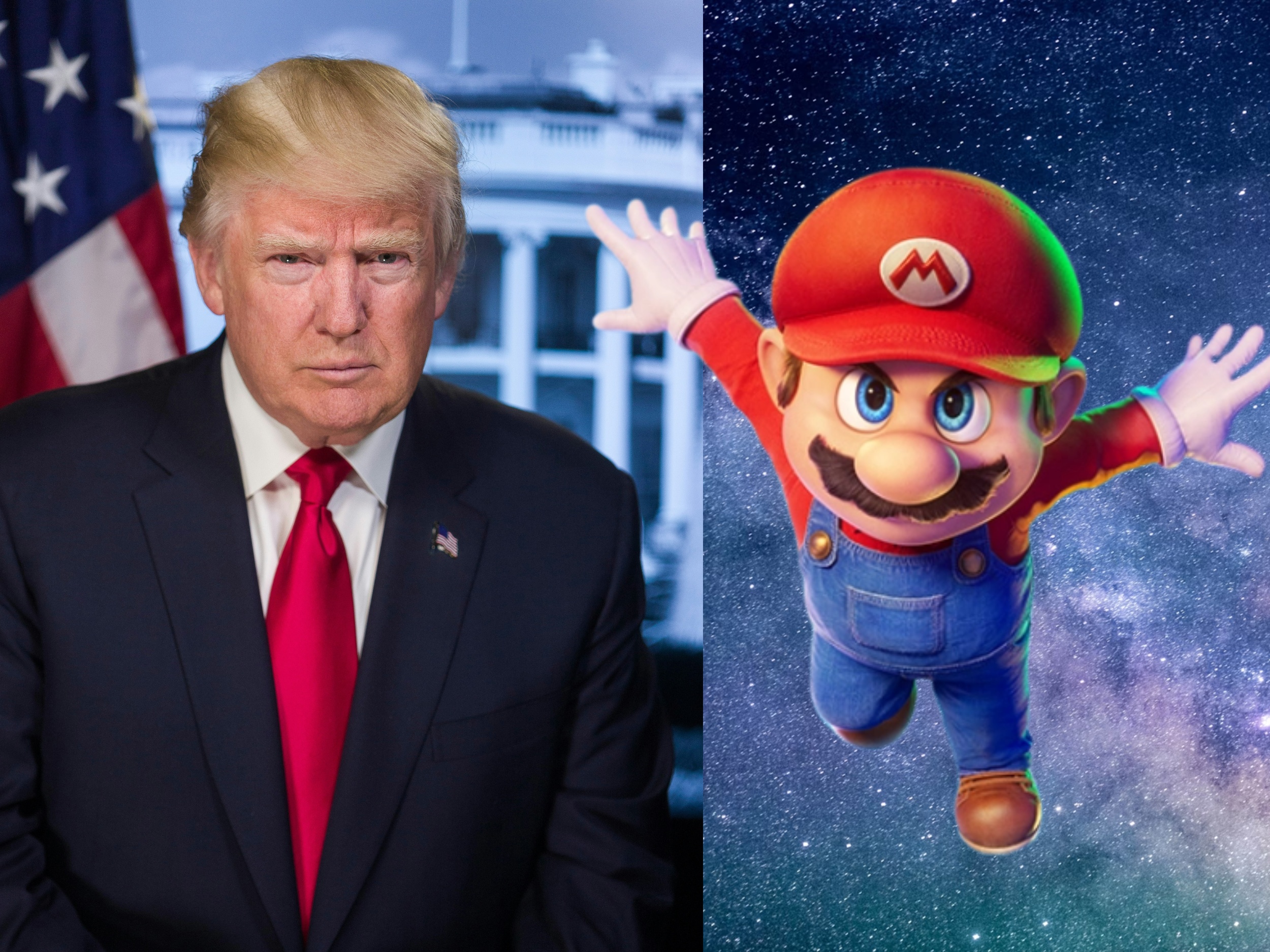
The issue centers on a series of US government posts that have borrowed imagery, slogans, and visual styles associated with video games and anime. One recent post from the White House reportedly used a design inspired by Pokémon Pokopia alongside the slogan “Make America Great Again.” In another instance, promotional material for NASA’s Artemis II Moon mission was paired with scenes resembling the colorful world of Super Mario Galaxy.
The most controversial example came from the US Department of Homeland Security, which used the well-known Pokémon slogan “Gotta Catch ’Em All” while combining anime-style references with footage related to US immigration enforcement operations. The post drew attention online because it connected a family-friendly Japanese franchise with a politically sensitive government campaign.
According to reports from Japan, the Ministry of Foreign Affairs has asked the US government more than once to avoid using Japanese works without permission. These concerns were reportedly communicated through the US Embassy in Japan, beginning in April and followed by additional requests in June.
Japan’s concern appears to go beyond copyright questions. Officials are reportedly worried that using globally recognized Japanese brands in political contexts could damage their public image. Mario, Pokémon, and similar franchises are major cultural exports, widely associated with entertainment, nostalgia, family audiences, and Japan’s creative industry. Linking them to divisive political messaging could create confusion or backlash among fans around the world.
The situation has also sparked debate on social media, where many users have criticized the US government’s approach to meme-driven political communication. Some argue that using popular characters and anime references may make government messaging more viral, but others say it risks trivializing serious issues and misusing intellectual property.
At the same time, some commenters doubt that Japan’s reported requests will lead to any immediate change. A few have even predicted that the controversy could encourage more posts using similar pop culture references, especially if they attract attention and engagement online.
So far, there has been no official public response from the US government regarding Japan’s reported objections. For now, the dispute highlights the growing tension between internet-era political messaging and the protection of globally recognized entertainment brands.