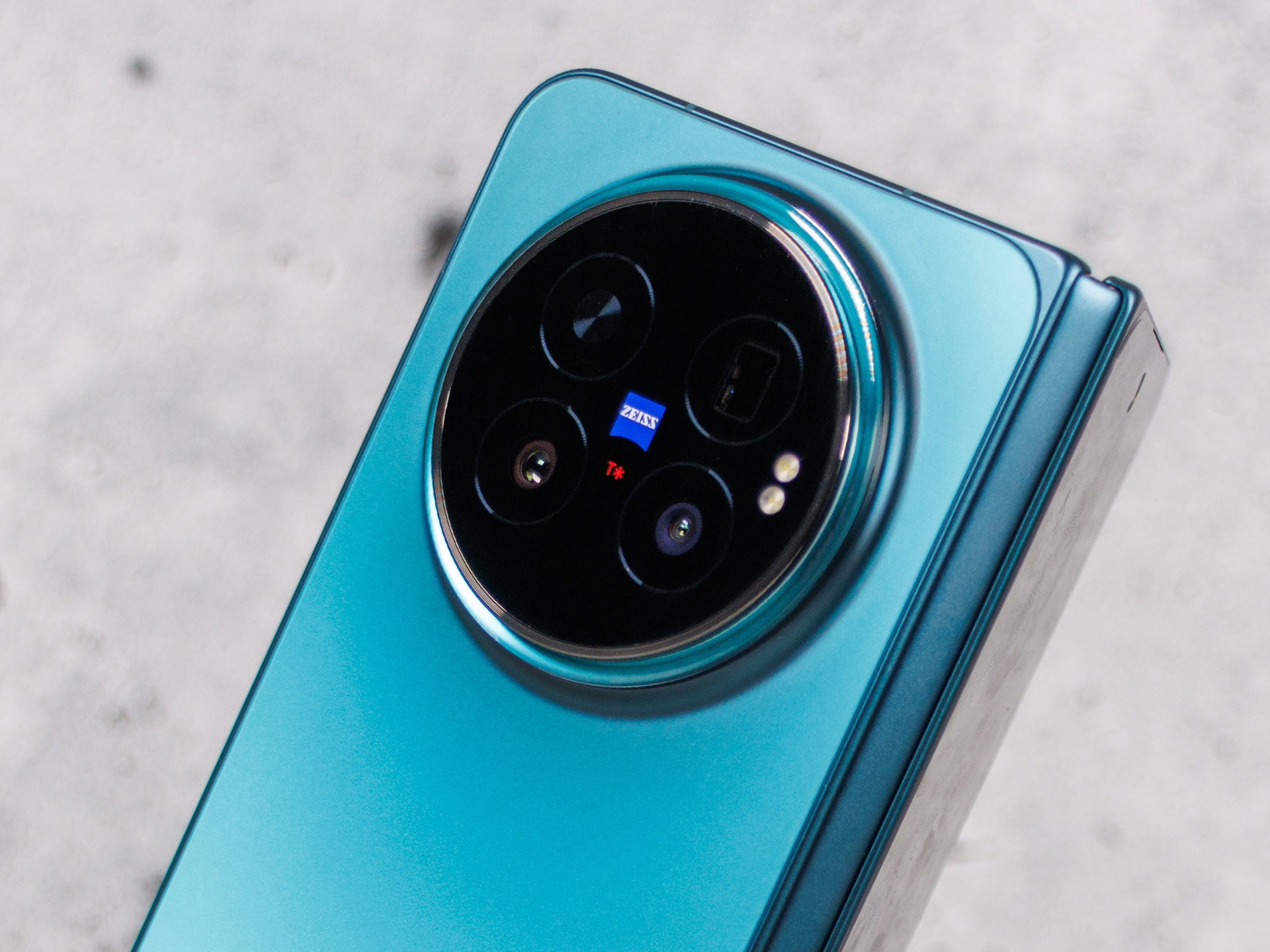
Vivo X Fold6 benchmark controversy: performance results raise questions
The Vivo X Fold6 arrives as one of the most powerful foldable smartphones in its class, combining premium hardware with a flagship-grade MediaTek Dimensity 9500 chipset and 12 GB of LPDDR5x RAM. On paper, this is a device built for demanding users, from multitasking and gaming to productivity on a large foldable display.
However, recent performance testing has raised concerns about how the Vivo X Fold6 handles benchmark apps, particularly in graphics stress tests. While the phone’s raw power is undeniable, the results suggest that its benchmark scores may not always reflect real-world performance.
During testing, the Vivo X Fold6 initially struggled with 3DMark stress tests. The tests stopped after only a few runs, which at first appeared to be related to heat management. That would not be unusual for a high-performance foldable smartphone, as powerful chipsets can generate significant heat under sustained workloads. If that heat is not properly controlled, performance can drop to protect the device.
But further investigation pointed to another possibility: the phone may have been detecting the benchmark app itself. To check this, testers used a disguised version of the 3DMark app that was not easily identifiable as a benchmark. With this version, the stress tests completed normally, suggesting that the device behaved differently depending on which version of the app was running.
The difference became even more noticeable when comparing benchmark scores. The standard 3DMark version from the app store delivered much higher results than the disguised version. In the Steel Nomad test, the Vivo X Fold6 scored 2,962 points with the official app, while the disguised version produced just 1,981 points. That is a difference of nearly 50%.
A similar gap appeared in the Solar Bay Extreme test. The official app recorded 1,363 points, while the disguised version reached only 883 points. In this case, the regular benchmark app showed performance more than 54% higher than the disguised version.
These results raise serious questions about benchmark-specific optimization. If a smartphone delivers higher performance only when it recognizes a benchmarking tool, the scores may give buyers an unrealistic impression of everyday performance. Benchmark platforms generally prohibit this type of behavior because it can distort comparisons between devices.
That said, the Vivo X Fold6 is still an impressive foldable phone. It offers strong hardware, a premium design, and the kind of performance expected from a modern flagship device. But the benchmark findings make it harder to judge its true sustained performance, especially for users who care about gaming, heavy multitasking, or long sessions under load.
For buyers interested in the Vivo X Fold6, the key takeaway is simple: the phone is powerful, but benchmark numbers should be viewed with caution. Real-world performance, thermal stability, battery life, display quality, software experience, and long-term reliability matter just as much as synthetic test scores.
The Vivo X Fold6 remains a compelling foldable smartphone, but the unusual benchmark behavior is significant enough to affect its overall evaluation.