OnePlus, which was once considered a strong competitor to Samsung, seems to be struggling to justify its stance on offering fewer firmware updates with its latest series compared to the extensive update policy of the Galaxy S24. In discussions about the relevance and necessity of long-term software support, OnePlus’s COO and President, Kinder Liu, argued that offering seven years of updates may not be beneficial if the hardware cannot withstand the test of time.
Liu employed an analogy, comparing phones to sandwiches, where the software is the filling and the hardware is the bread. He implied that while the software (the filling) might remain viable over the years, the hardware (the bread) might degrade, compromising the overall user experience. This suggests a view that long-term software updates are of secondary importance if the device’s hardware is not designed to last.
This stance has raised questions about OnePlus’s commitment to sustainability and long-term device support. Many users prefer to retain their devices for several years, and while software optimization is crucial, it’s not the only concern. Security patches are another aspect of updates that Liu did not highlight but are critical for protecting user data and keeping devices safe.
The debate extends to the repairability of the devices. As the European Commission pushes for easier-to-replace components and better access to replacement parts, Samsung has taken significant strides by launching a Self-Repair program and using adhesive battery pouches to facilitate battery replacements. This approach aligns with sustainability efforts and combats the throwaway culture of electronic devices.
OnePlus, however, seems to have a contrasting philosophy. By not aligning with these trends, they appear reluctant to encourage device longevity through easy repairs or comprehensive updates. Instead, the company seems to push for the purchase of new devices rather than supporting existing ones for an extended period.
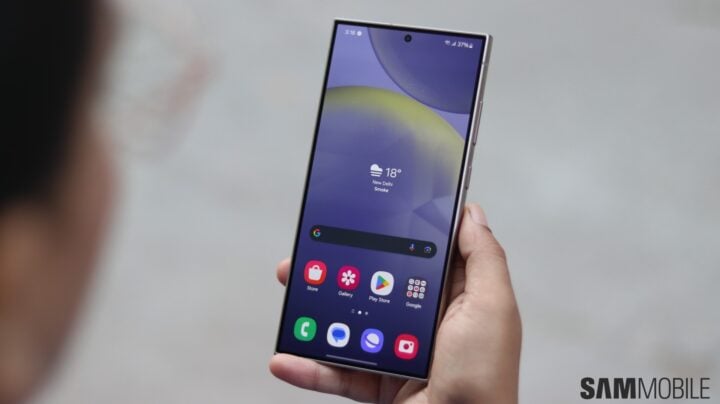
In contrast to OnePlus’s position, Samsung has been actively working to enhance the lifespan of its Galaxy phones. Efforts include not only feature updates and security patches but also improved part availability, a robust support and repair network, and self-repair initiatives in various markets. These steps, while possibly not flawless, indicate a proactive approach to extending the lifecycle of devices, in stark contrast to OnePlus’s seemingly resigned attitude.
While the future may vindicate OnePlus’s perspective, the current consumer desire for durable devices makes it difficult to overlook Samsung’s contributions to improving phone longevity and sustainability. Samsung’s initiatives are not only about maintaining device performance but also about offering users more control and options over their device’s lifespan.
Samsung’s dedication to longevity could serve as a model for other manufacturers, while OnePlus’s approach may invite skepticism from users who value sustainable and long-term device use. As companies continue to navigate the challenges of technology updates and sustainability, customer preferences for repairability and extended support are likely to shape the future of the smartphone industry.