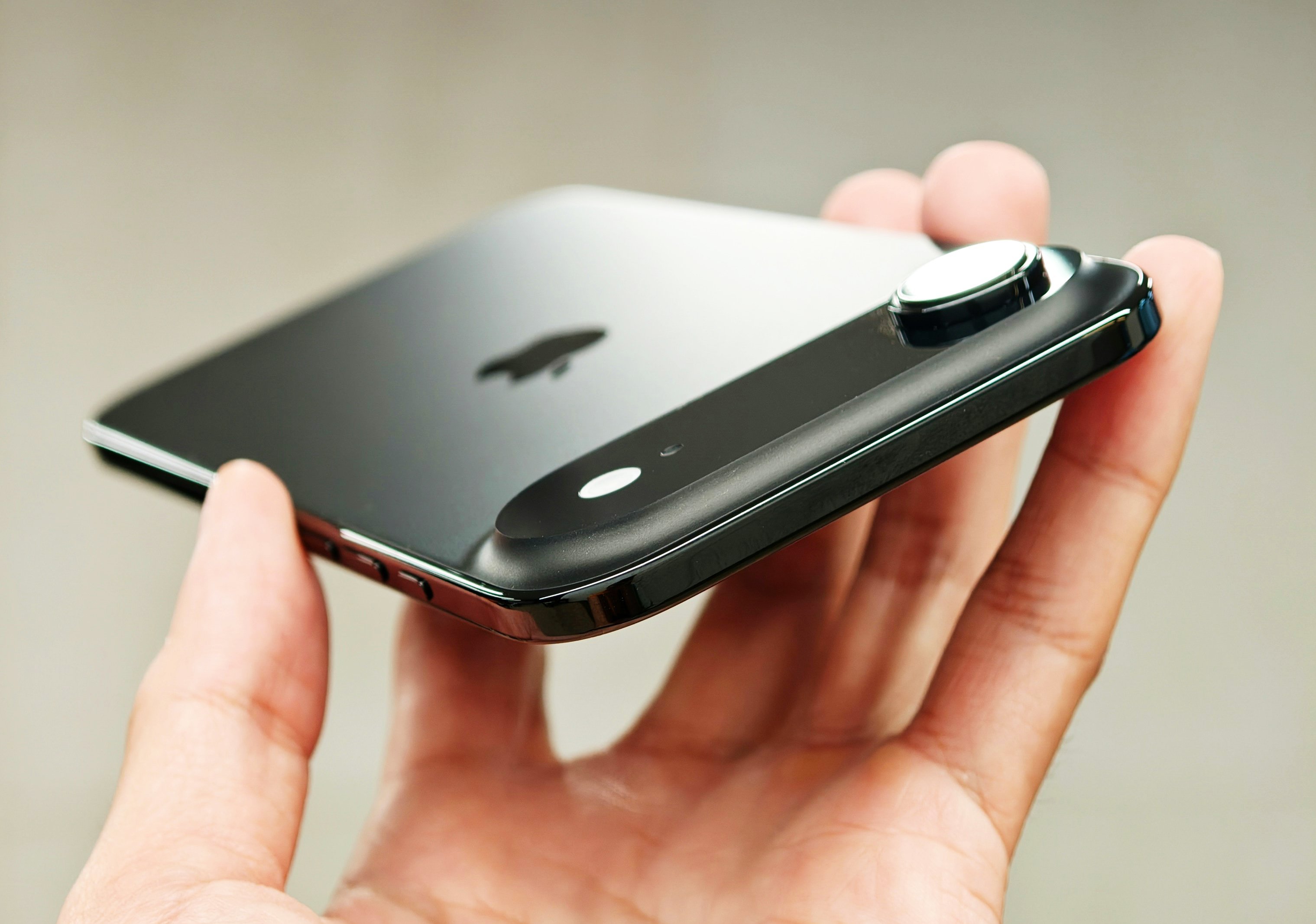
Apple’s iPhone Air is seeing a surprisingly steep price drop in several markets, and that shift is drawing fresh attention to how the ultra-thin iPhone is really performing compared to the rest of the lineup.
In some regions, the iPhone Air’s price has fallen far faster than expected. Germany is a good example: the phone can now be found from about €822, which is roughly €380 below its original list price. Meanwhile, the standard iPhone 17 starts around €826 in the same market, reflecting a much smaller decrease of about €120 compared to its launch pricing. That kind of gap suggests the iPhone Air is facing softer demand than Apple likely hoped for, at least in certain areas.
One recent claim from well-known leaker Digital Chat Station points in the same direction. According to the leak, only around 700,000 iPhone Air units have been activated in China so far. The broader ultra-thin phone trend may also be cooling off: the same source suggests that ultra-slim Android competitors are selling even worse, and that follow-up models in that “thinnest phone” category may not be prioritized for the time being.
Still, calling the iPhone Air a total flop doesn’t tell the full story. The key detail is that it appears to be underperforming mainly when compared with other models in the iPhone 17 series—not compared with the iPhone model it effectively replaced.
Data attributed to Ookla (the company behind Speedtest) indicates the iPhone Air is significantly more popular than the iPhone 16 Plus, the larger model Apple moved on from. At launch, the iPhone 16 Plus accounted for about 2.9% of iPhone 16 series devices. By comparison, the iPhone Air reportedly reached 6.8%—more than double the share.
Regional sales splits also show that interest varies quite a bit by country. In Germany, the iPhone Air represents around 6.1% of sales. In South Korea, it’s notably higher at about 11.2%, meaning roughly one out of every nine iPhones sold there is an iPhone Air. That kind of performance suggests there’s a real audience for Apple’s thinner iPhone concept, even if demand isn’t uniform worldwide.
The bottom line: the iPhone Air may not be one of Apple’s biggest hits, and the sharp discounts hint at slower momentum in some markets. But it’s still outperforming the larger iPhone model it replaced, and current expectations point to Apple continuing the iPhone Air line—with at least one successor reportedly planned, and potentially even two.


