New iPhone 18 Pro Logic Board Leak Offers a Clearer Look at Apple’s A20 Pro Chip and 2nm Upgrade
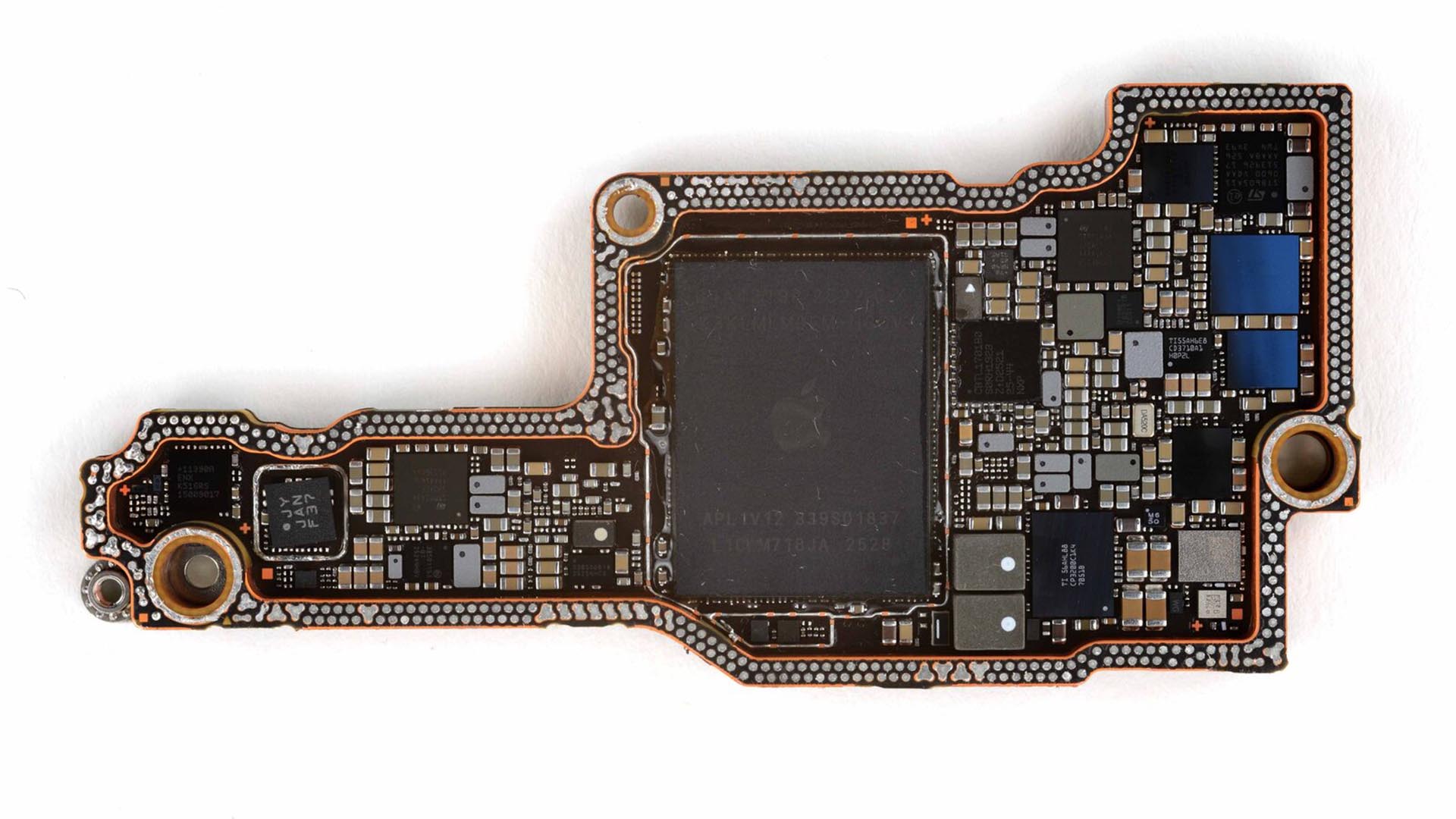
Fresh images allegedly showing the iPhone 18 Pro logic board have surfaced, giving a much clearer look at what could be one of Apple’s biggest internal upgrades in years. The latest leak focuses on the A20 Pro chip, which is expected to power the iPhone 18 Pro and iPhone 18 Pro Max, and may mark Apple’s first move to a 2nm process.
Earlier images of the board were difficult to examine in detail, but the newer high-resolution shots appear to reveal more about Apple’s next-generation hardware design. One of the most notable changes is the use of Wafer-Level Multi-Chip Module Packaging, also known as WMCM. This packaging approach reportedly places the DRAM to the side of the main chip instead of stacking it in a more traditional layout, which could help improve heat dissipation.
That change may be especially important for the iPhone 18 Pro lineup, as Apple is expected to lean more heavily on on-device AI features, advanced image processing, and higher sustained performance. Better thermal control could allow the A20 Pro to maintain faster speeds for longer without generating as much heat.
Although the A20 Pro is rumored to keep a similar overall package size to the A19 Pro, the latest images suggest that the die area itself may be larger. A bigger die could make room for several key upgrades, including a more powerful Neural Engine designed to handle artificial intelligence tasks directly on the device.
The Neural Engine has become increasingly important across Apple’s devices, and the iPhone 18 Pro could push that further. With AI features becoming a major selling point for flagship smartphones, a larger and faster Neural Engine would help improve features such as real-time photo editing, voice recognition, language processing, predictive suggestions, and privacy-focused AI tasks that do not rely as heavily on cloud servers.
Another major detail mentioned in the leak is the possible use of 96-bit LPDDR6 RAM. If accurate, this would be a significant memory upgrade for the iPhone 18 Pro and iPhone 18 Pro Max. LPDDR6 is expected to deliver higher bandwidth and better power efficiency compared to current mobile memory standards.
That combination matters because modern smartphones are being asked to do more than ever. Faster memory can improve multitasking, gaming, camera performance, AI processing, and overall system responsiveness. At the same time, improved power efficiency could help extend battery life, which remains one of the most important factors for iPhone buyers.
Still, this detail should be treated with caution. The leaked images do not appear to show clear labeling that confirms LPDDR6 support. Apple also tends to adopt newer hardware standards carefully, often waiting until the technology is mature enough to meet its performance, supply, and efficiency requirements. Because of that, the final specifications may not be confirmed until Apple officially introduces the devices.
The A20 Pro is also expected to be Apple’s first chip built on a 2nm manufacturing process. A move from 3nm to 2nm could bring major benefits in efficiency and performance, depending on how Apple configures the chip. In practical terms, users could see faster app launches, smoother gaming, better camera processing, stronger AI performance, and improved battery life.
The leaked board also points to Apple continuing to use Qualcomm modem hardware in its highest-end iPhones, at least for now. While Apple has been working on its own modem technology, the iPhone 18 Pro and iPhone 18 Pro Max are expected to feature a Snapdragon X80 5G modem. That would help ensure strong wireless performance, including faster 5G speeds, improved signal handling, and better power management during cellular use.
One label visible in the images reportedly reads “PMX75,” which may suggest that the logic board is intended for the U.S. market. Another component shown in the leak appears to be an Apple-designed power management chip, which could help control power delivery across the device. Efficient power management is especially important in premium phones, where performance, heat, battery life, display brightness, camera processing, and wireless connectivity all compete for energy.
If these leaks are accurate, the iPhone 18 Pro series could represent a meaningful internal redesign rather than a simple annual refresh. The combination of a 2nm A20 Pro chip, improved packaging, possible LPDDR6 memory, a stronger Neural Engine, and upgraded 5G hardware could make the iPhone 18 Pro and iPhone 18 Pro Max some of Apple’s most advanced smartphones yet.
Apple is expected to unveil the iPhone 18 Pro and iPhone 18 Pro Max at its September event. The company may also introduce its long-rumored foldable iPhone during the same launch window, which could make the event one of Apple’s most closely watched product announcements in years.
For now, the leaked logic board images offer an early look at where Apple may be heading: more efficient chip design, stronger AI performance, improved thermal management, and faster memory technology. If the final devices match these early clues, the iPhone 18 Pro lineup could deliver a major leap in both performance and everyday usability.