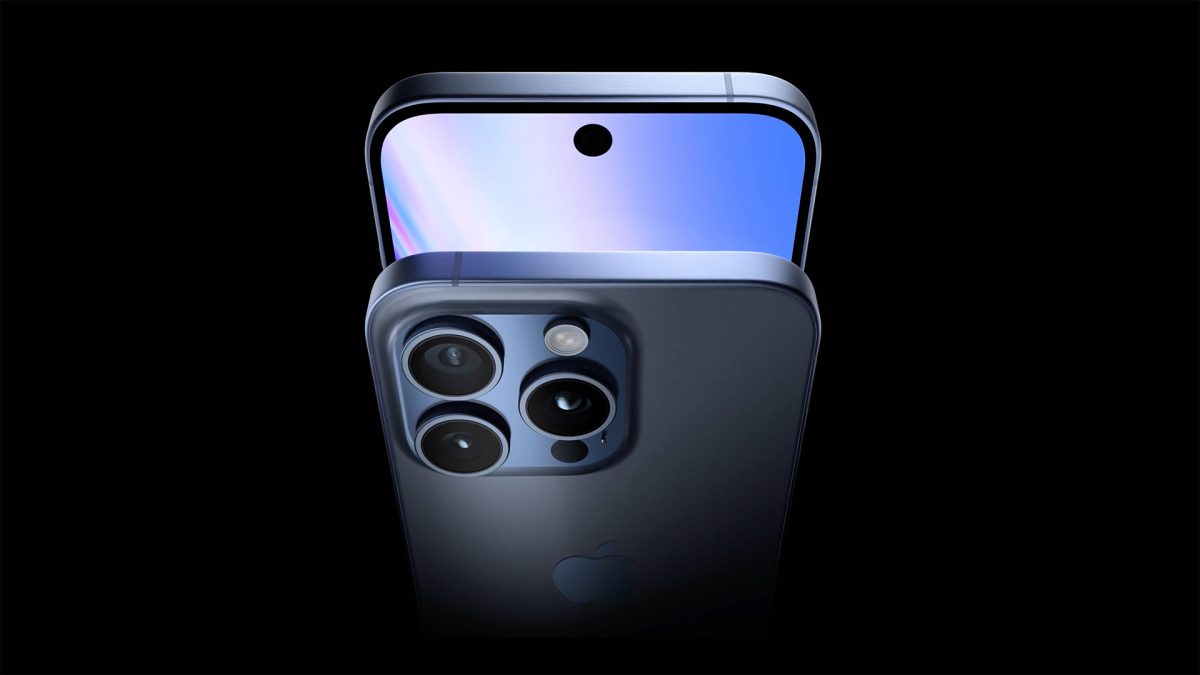
Samsung’s latest Galaxy S25 series dazzles with an innovative anti-reflective coating on its displays, ensuring a smooth viewing experience even under bright daylight. In contrast, the current iPhone 16 models are highly reflective, making it hard to avoid light distortion. However, Apple is keen on adopting this technology for its upcoming flagship models. Previous reports indicated some production challenges, but it seems the issues have been resolved for the anticipated iPhone 17 Pro and iPhone 17 Pro Max models.
The standard iPhone 17 and the iPhone 17 Air, however, won’t feature this advanced display technology, as it’s reserved exclusively for the Pro models this year. According to insiders, Apple suppliers have overcome previous production hurdles, allowing the anti-reflective displays to enter mass production. While this technology significantly enhances user experience by offering better durability than the current Ceramic Shield on the iPhone 16, only the Pro models will benefit this year.
Initially, the anti-reflective coating’s delayed development raised questions about its readiness. With production now streamlined, the iPhone 17 Pro models are set to include this feature, offering improved resistance to wear and tear.
Though Apple recently introduced a similar nano-texture glass for its Mac and iPad Pro lines, it’s unlikely to be available for the iPhone. Instead, Apple is rumored to adopt a technique akin to Samsung’s Galaxy S25 Ultra. Samsung’s Gorilla Glass Armor reduces reflections by up to 75 percent, and the iPhone 17 Pro models might deliver a comparable viewing experience.


