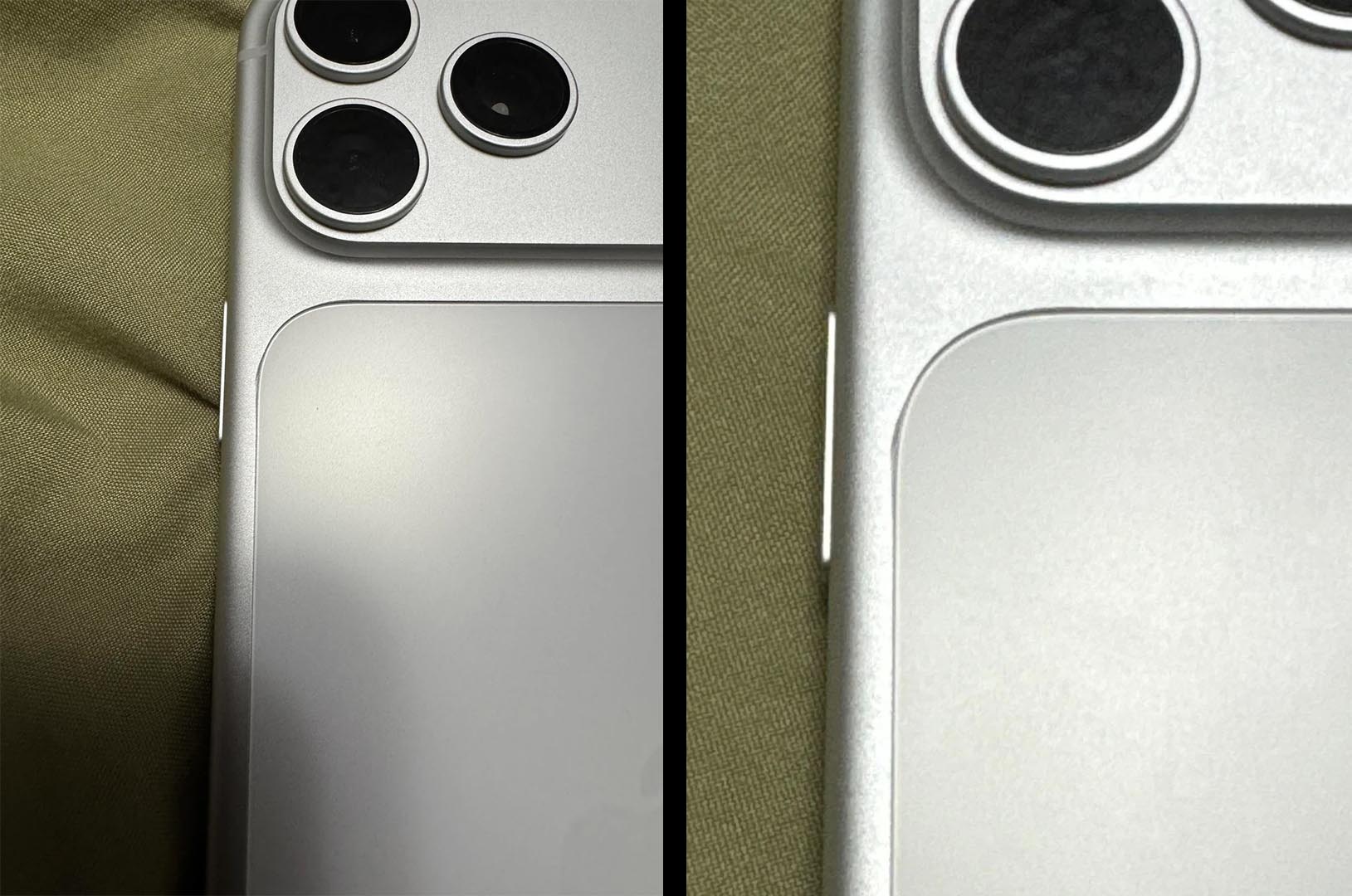
A $1,199 flagship should feel flawless out of the box. Yet some iPhone 17 Pro Max owners are reporting small but frustrating imperfections that are hard to unsee once noticed. The latest example comes from a buyer who shared photos showing the back glass very slightly misaligned—subtle enough to escape a casual glance, but disappointing for a premium device.
According to the owner, the phone was purchased through a carrier, and the misalignment is visible at the top-left of the rear panel. Fellow users weighed in with mixed advice: some suggested using a case and moving on, while others urged an exchange. The catch? Exchanging through the carrier could void the customer’s trade-in and trigger a $55 restocking fee—an expensive consequence for what appears to be a manufacturing issue.
This isn’t the first time build quality questions have surfaced around the iPhone 17 Pro Max. Earlier anecdotal reports mentioned finish oxidation that shifted the Cosmic Orange color toward a Rose Gold hue, as well as paint peeling allegedly linked to cleaning with wet wipes. While these cases don’t appear universal, they add to a pattern of complaints that stand out more when they involve the most expensive iPhone in the lineup.
Some users say similar alignment quirks go back to earlier generations. One commenter noted their iPhone 13 also showed slight rear-glass misalignment around the Apple logo area. That doesn’t mean every unit is affected, but it does suggest that tolerances at mass scale can sometimes slip past quality control—even at companies known for meticulous fit and finish.
For owners who spot comparable issues, documenting the defect as soon as possible is crucial. Clear photos, purchase details, and a prompt visit to the retailer or customer support can make exchanges or repairs smoother. If you’re handling a carrier purchase with a trade-in involved, review the return and restocking policies upfront to avoid surprise fees or disqualifications. Some stores may accommodate exchanges for manufacturing defects without penalties, especially within a short return window, but policies vary.
The broader question is whether these cosmetic flaws signal a systemic problem or isolated lapses. Minor misalignments can be rare but not unheard of in large-scale production. Still, premium pricing raises expectations, and even small imperfections can feel unacceptable to buyers who chose the Pro Max for its top-tier materials and design.
Looking ahead, reports suggest Apple is exploring a refreshed design for the iPhone 18, including a slightly transparent glass back. If that shift is real, it could bring both new visual appeal and an opportunity to refine assembly tolerances where misalignment is most noticeable. It’s also reasonable to expect a renewed focus on quality control as feedback from the current generation circulates.
If you’re on the fence about exchanging a unit with a minor cosmetic flaw, weigh the practical impact. A protective case can hide slight misalignment, and many owners will never notice it again. But if you’re within the return window and the defect bothers you—especially on a premium device—pursuing an exchange may be worth the effort. Just make sure you understand any potential trade-in implications and fees before proceeding.
Bottom line: The iPhone 17 Pro Max remains a powerhouse, but a handful of owners are drawing attention to cosmetic issues that undercut the premium experience. Whether these are isolated manufacturing variances or a sign that quality control needs tightening, buyers paying top dollar will expect better. With a new design rumored for the next model and plenty of time to course-correct, all eyes will be on how the next generation addresses today’s complaints.