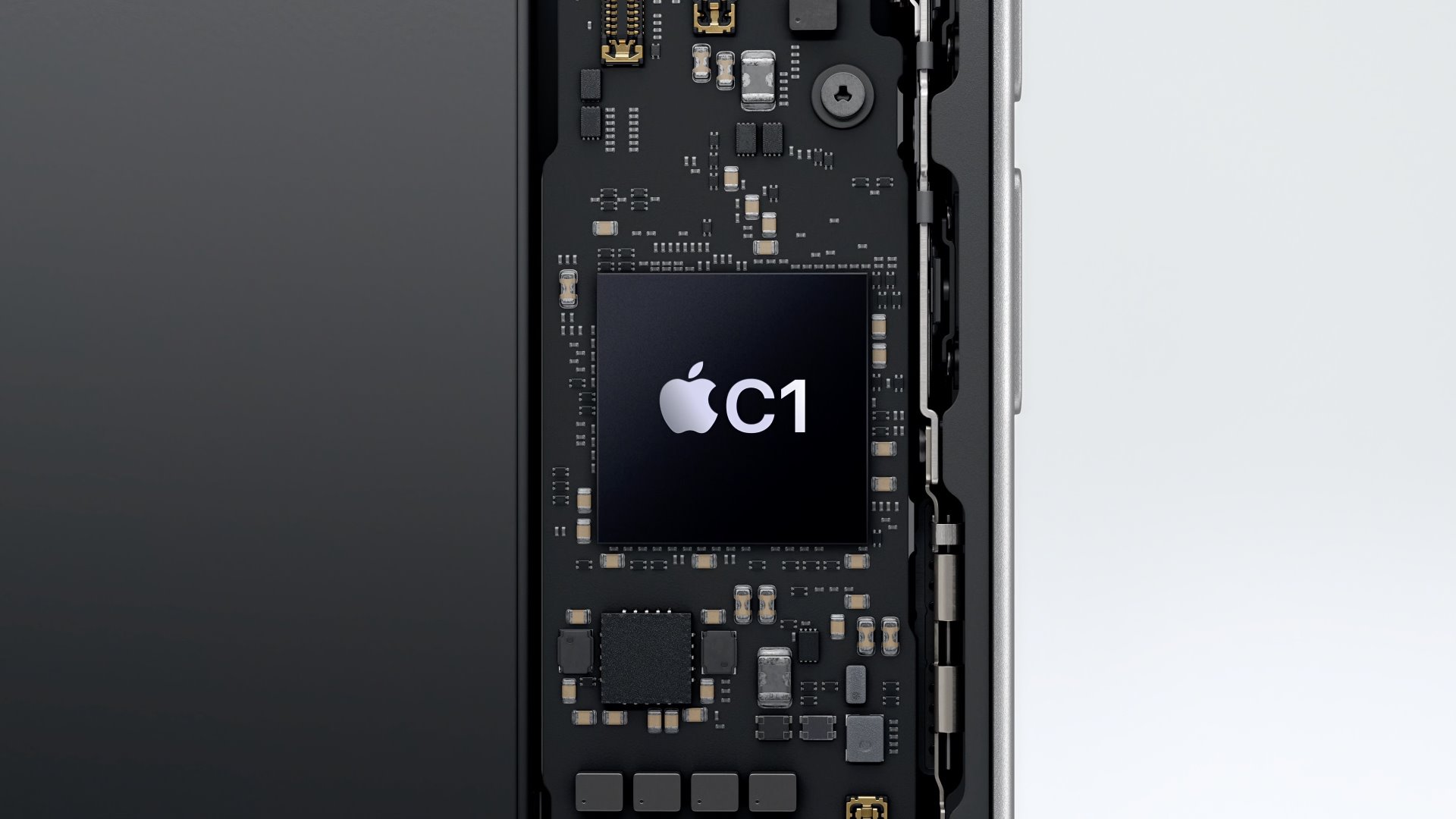
Apple’s latest release, the iPhone 16e, has certainly stirred up conversation by opting out of mmWave support with its C1 5G modem. Despite this, many reviews highlight its strengths, showcasing a flagship-worthy experience priced at an attractive $599. The buzz around Apple’s new in-house baseband will likely continue, especially regarding whether it can outperform the Snapdragon X71, the modem in the pricier iPhone 16 lineup. One tech enthusiast, a YouTuber, found that the C1 impressively delivers 40% higher downlink speeds than those on the iPhone 16 Pro Max.
In a detailed comparison, this YouTuber conducted tests using Ookla’s Speedtest, where the iPhone 16e surpassed the 200Mbps mark effortlessly, leaving the iPhone 16 Pro Max trailing. It’s a surprising outcome, especially for a more budget-friendly model outperforming its flagship sibling.
However, there’s a twist: both devices were likely connected to a sub-6GHz network. It’s speculated that on an mmWave network, the iPhone 16 Pro Max might likely lead, given its superior features for such conditions. The YouTuber’s test setting in Toronto, Canada—an area well-equipped with specific frequency cellular towers—could also play a role in the remarkable performance of the C1.
Given these factors, while the iPhone 16e’s performance in this scenario is impressive, results could vary in regions with different 5G infrastructure. In areas where 5G is spotty, the iPhone 16e might not consistently outshine the iPhone 16 Pro Max. Many are eagerly awaiting further tests to see how these devices hold up in diverse environments. For now, though, in the world of speed tests, the C1 modem takes the crown.