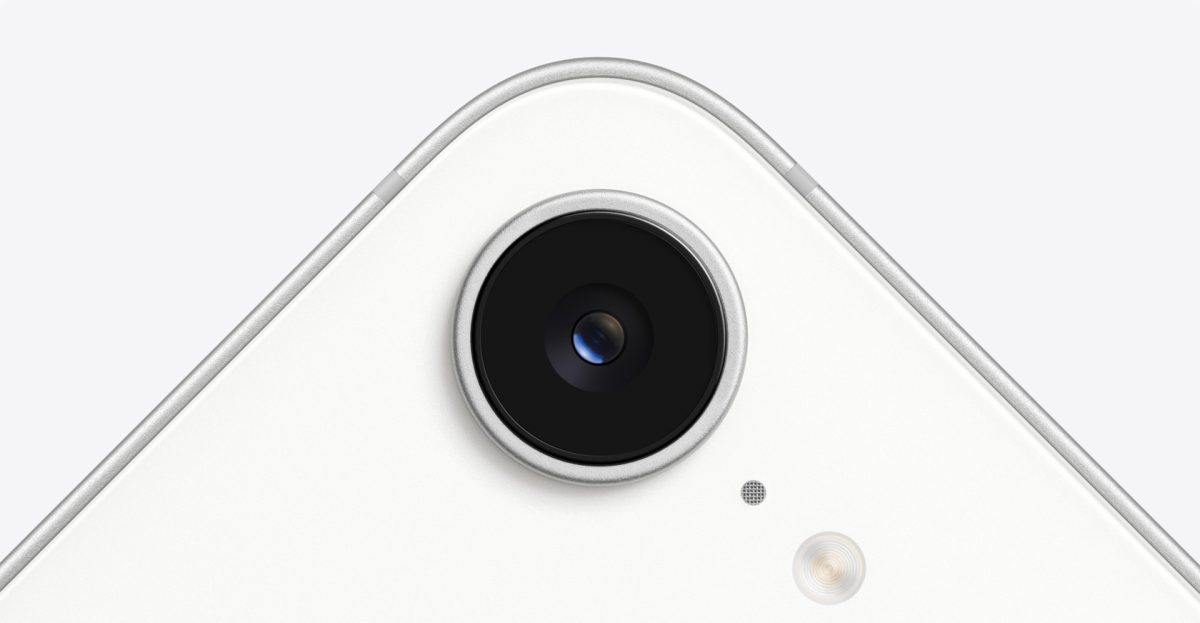
Apple has made waves yet again with the unveiling of its latest device, the iPhone 16e. While at first glance, it may appear similar to the iPhone 14 with its familiar single-lens camera design, the true excitement lies within its revamped internals. Interestingly, the iPhone 16e shares the advanced A18 chip found in the iPhone 16 series, but with a unique twist — it comes with one less GPU core, which could influence its overall performance dynamics.
The iPhone 16e’s A18 chip is slightly pared down, sporting a 4-core GPU as opposed to the 5-core GPU found in the standard iPhone 16 and the powerhouse 6-core GPU in the 16 Pro. This distinction leads many to wonder how this may affect its performance capabilities, especially when lined up against its sibling models and the wider market competition.
The concept of a binned chip is at play here—Apple has carefully managed chips with faulty cores by disabling these cores, yet they still offer a commendable performance level. Thus, with only one GPU core less than the iPhone 16, you might expect the iPhone 16e to lag behind. However, Apple’s legendary software optimization could mean that everyday users might not feel the pinch of this difference.
For gaming enthusiasts and those engaging in intensive tasks like video editing, this reduction in GPU cores might be slightly noticeable, potentially resulting in a minor drop in performance. But for the majority of users, especially those upgrading from much older iPhone models, this difference could be insignificant. The strength of computational performance remains unchanged across the A18 chipset lineup, thanks to consistent CPU cores, making the iPhone 16e still a robust contender with its 8GB RAM supporting solid multitasking capabilities.
Beyond the device’s internal prowess, the iPhone 16e presents a refreshing upgrade from its predecessor, the iPhone SE 3, launching with a sleek new design. Key highlights include a generous 6.1-inch OLED display, an enhanced camera sensor, and the introduction of Face ID, adding layers of convenience and security.
If you’re on the fence about your next iPhone upgrade, the iPhone 16e offers a compelling mix of innovation and performance. As more detailed insights on the A18 chip emerge, they will undoubtedly help potential users make an informed decision. Are you considering making the leap to the iPhone 16e?