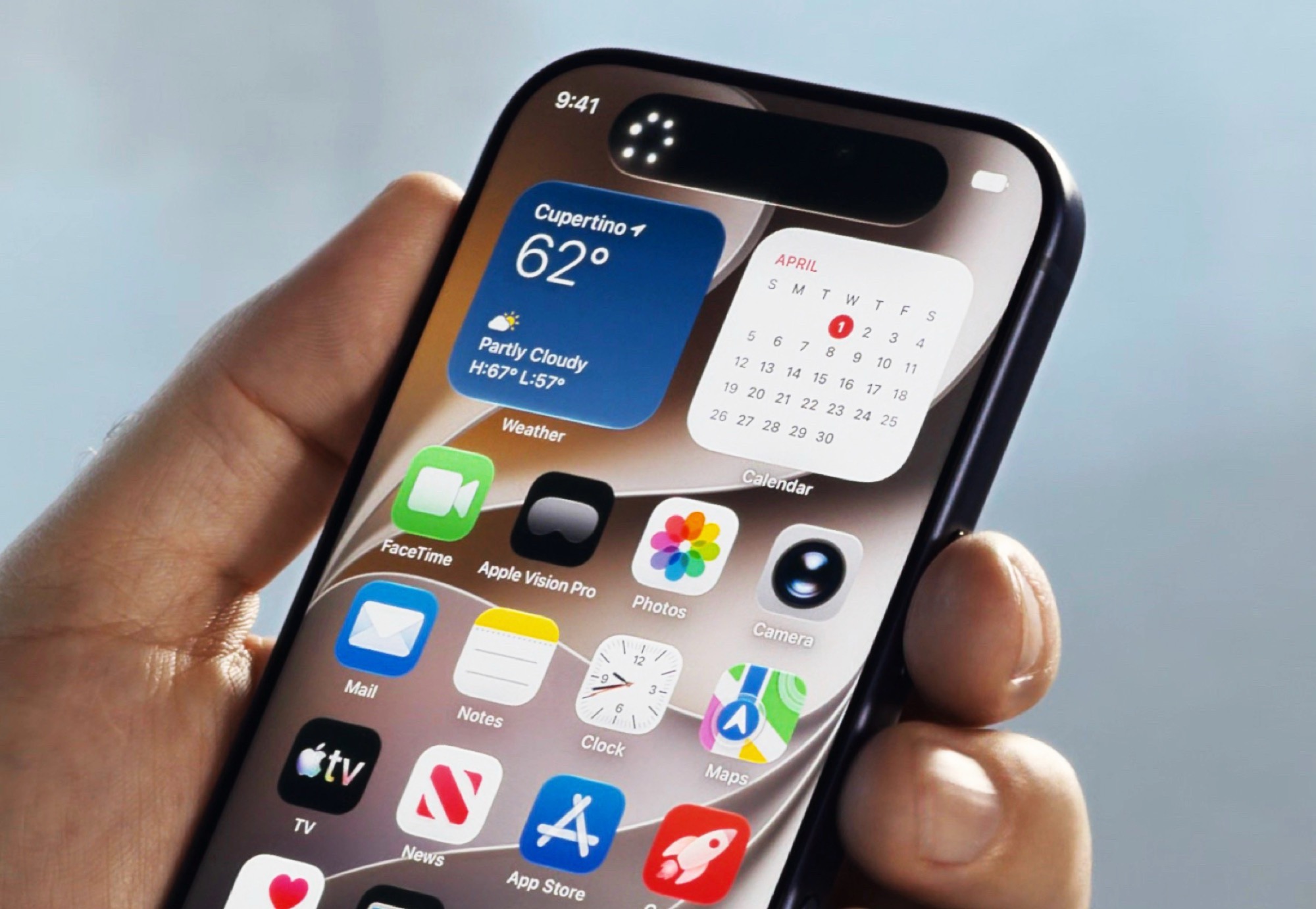
Apple is preparing a major artificial intelligence upgrade for iOS 27, and the biggest change appears to be a completely redesigned Siri. With the next generation of Apple Intelligence, iPhone users can expect a smarter, more conversational assistant that feels far closer to modern AI chatbots than the traditional voice assistant many people know today.
In iOS 27, Apple Intelligence is set to become more deeply integrated into the iPhone experience. Instead of only responding to basic commands, the system will be able to understand what is happening on the screen and interact with features inside the app currently in use. This could make everyday tasks faster and more natural, whether users are browsing the web, viewing photos, planning routes, or working across multiple apps.
The centerpiece of this upgrade is reportedly called Siri AI. Unlike older versions of Siri, which often relied on short responses and limited commands, Siri AI is designed to hold more natural conversations. It will also have its own dedicated app where users can revisit previous chats, making it feel more like a full AI assistant rather than a simple voice tool.
One of the most useful changes is Siri AI’s ability to understand on-screen content. For example, a user could open a webpage and ask Siri questions about the information displayed. If a photo is on screen, Siri could help identify details or answer questions related to the image. If a user is planning a trip, Siri may be able to enter a route directly into a navigation app, reducing the need to tap through several menus.
Apple is also expected to introduce a special Siri mode inside the Camera app. This would allow users to use the iPhone camera as a way to ask questions about the world around them. The feature could help identify objects, provide context about places, or assist with visual searches in real time.
To power these improvements, Apple is combining a more advanced large language model that can run locally on the iPhone with support from Google Gemini. The local processing approach is important because Apple continues to emphasize privacy and data protection. By handling more AI tasks directly on the device, the company aims to deliver faster responses while keeping sensitive user information more secure.
Newer iPhone models are also expected to receive a more natural-sounding Siri voice. This could make conversations with Siri AI feel smoother and more human, especially when asking follow-up questions or using the assistant for longer interactions.
With iOS 27, Apple appears to be taking a major step toward making the iPhone a more intelligent and proactive device. Siri AI could become one of the most important upgrades in years, giving users a voice assistant that can understand context, interact with apps, respond conversationally, and help complete tasks with less effort.
If Apple delivers these features as expected, iOS 27 may mark a turning point for Apple Intelligence and the future of AI on the iPhone.