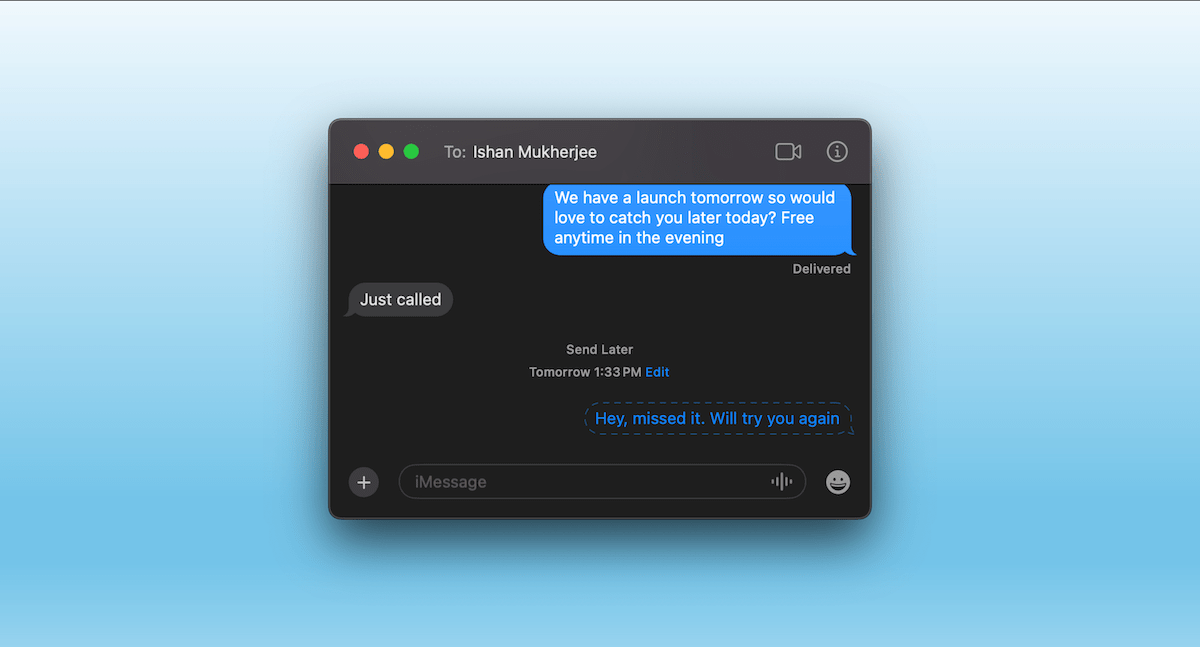
RPLY, a fresh Mac app making its debut today, aims to revolutionize the way you handle iMessages, helping users achieve the elusive “inbox zero.” Geared toward those who often forget to reply and leave their friends hanging, RPLY employs AI to track missed texts and craft thoughtful responses. For texts lingering unanswered for over 24 hours, the AI takes the initiative to respond automatically, ensuring you never ghost anyone unintentionally.
At the helm of RPLY is Molly Cantillon, a 21-year-old Stanford dropout who previously introduced NOX, a tailored AI assistant supported by OpenAI’s startup fund. Cantillon explains, “RPLY tackles ‘text debt’—you know, those times you mean to reply but get sidetracked or simply forget. It makes texting less of a chore while keeping interactions genuine.”
What’s different about RPLY is that while AI-powered smart replies are familiar tech terrain, Cantillon hasn’t seen anything tailored for iMessage in the same way. RPLY takes personalization a step further, thoroughly analyzing your entire text history to generate replies that genuinely echo your unique tone and personality.
Borrowing from Inbox Zero’s concept, RPLY goes beyond by filtering out overlooked messages and providing a clear snapshot of unread texts. This feature offers an accessible summary, far more efficient than scrolling endlessly through messages. Cantillon believes that this simple yet crucial feature is surprisingly absent in Apple’s native offerings.
For those curious about their texting patterns, RPLY includes a statistics page that measures your average response time and tracks how long you maintain an “inbox zero streak.” Want to know who you reply to the fastest or occasionally ignore? RPLY provides those insights, promoting awareness of your texting tendencies.
While some users might marvel at how naturally the AI responds, with most people unaware they’re conversing with an AI, there are minor quirks. For instance, the AI’s tendency to use a comma after “haha” or its avoidance of emojis—upon which some users remarked.
With 1,000 subscribers already on board, RPLY is attracting tech-savvy individuals, creatives, and business professionals overwhelmed with cluttered inboxes. It’s also an ideal companion for founders, recruiters, retail agents, and college students seeking a streamlined communication experience.
However, RPLY does raise an interesting debate: can we maintain the emotional nuances of our communications when heavily relying on AI? This question echoes past discussions around generative AI tools and is worth pondering as we embrace technological convenience.
To use RPLY, users must grant it access to their text messages and contacts—a requisite that could spark privacy concerns as the AI parses personal exchanges with friends and family. While RPLY insists on its strong privacy policy, promising no data retention and no selling of data to third parties, it’s wise to stay vigilant about privacy risks, particularly since breaches are not unprecedented within the tech industry.
Currently exclusive to macOS devices, RPLY may have opted for a Mac app to sidestep Apple’s stringent App Store policies. Looking ahead, Cantillon dreams of extending RPLY’s functionalities to platforms like WhatsApp and Slack, although the latter’s user base might deliberate sharing so much information with an AI company.
RPLY’s modern convenience comes with a premium price tag: a subscription costs $30 monthly after a 14-day free trial. While the service is appealing for those juggling busy schedules or extensive contact lists, potential users must weigh the benefits against privacy considerations and subscription costs.